How Warnings Are Updated, Extended And Withdrawn
| Country of origin | United Kingdom |
|---|---|
| First created | Mid-20th century |
| Original use | Standardizing public weather alert communication |
| Issuing authority | National meteorological services |
| Update triggers | Observed conditions, new forecast data |
| Extension criteria | Persistence of hazardous conditions |
| Withdrawal process | Confirmation of hazard cessation |
| Communication channels | Broadcast media, official apps, websites |
Origin and history
The formal process for updating, extending, and withdrawing weather warnings originates from the development of national meteorological services in Europe and North America during the twentieth century. Its systematic adoption accelerated with the establishment of centralized warning dissemination systems in the latter half of that century. The creation of standardized warning protocols was driven by the need for clear public communication following significant weather disasters. The refinement of these procedures is an ongoing effort, closely tied to advancements in observational technology and numerical weather prediction. International bodies like the World Meteorological Organization have fostered guidelines, though specific implementations remain national responsibilities. The core concept of dynamically amending warnings based on new data is now a foundational principle for meteorological agencies globally.
What it is for
This process exists to maintain the accuracy and relevance of an issued warning throughout the lifespan of a hazardous weather event. Its primary function is to provide the public and emergency managers with the most current assessment of risk, as the situation evolves. It allows for the refinement of a warning's geographic area to match the latest forecast track of a system, such as a hurricane or band of severe storms. The process also serves to adjust the severity level or type of hazard mentioned if observations indicate a change. Crucially, it provides a formal mechanism to signal when a threat has ended by withdrawing the warning, preventing unnecessary public anxiety or continued response. This structured update cycle is fundamental for ensuring that warning information is a dynamic tool for decision-making, not a static, one-time statement.
Overview
The process is a cyclical workflow of monitoring, analysis, and re-issuance managed by forecasters at a warning-issuing authority. It begins with the continuous surveillance of real-time observations, such as radar, satellite, and surface reports, against the backdrop of the original forecast. When significant discrepancies or new developments are identified, forecasters assess whether the existing warning requires modification. An update typically involves reissuing the warning with amended text, valid time, or area, often carrying a new identifier or timestamp to indicate its revised nature. An extension specifically refers to increasing the temporal duration or spatial coverage of an existing warning based on the persistence or expansion of the hazard. A withdrawal is a formal cancellation message issued when the threat has passed or diminished below warning criteria, concluding the alert cycle for that specific event.
What to know
A warning update does not reset the clock; the new information supersedes all previous versions, and only the latest issuance should be acted upon. The timestamp on the warning is critical, as it indicates the time of the last forecast assessment and when the information became valid. Many dissemination systems, like Wireless Emergency Alerts or smartphone apps, may re-alert users for significant updates, especially those that upgrade severity or expand impact zones. A withdrawn warning means the immediate threat is over, but it does not imply conditions are necessarily safe, as residual hazards like flooding or debris may remain. The frequency of updates is not standardized and depends entirely on the volatility and speed of the evolving weather situation. It is a user's responsibility to have a plan for receiving these updates, as conditions can change rapidly between scheduled forecast cycles.
Common questions
Why would a warning be extended if the event was already forecast? Forecasts have inherent uncertainty, and extensions occur when observed conditions prove more persistent or extensive than initially predicted, requiring an official adjustment to the timeline. How can I tell if a warning has been updated? Check the official issuance source for a new timestamp, update number, or explicit text stating it is an update; many services also append "UPDATED" to headlines. Does a withdrawal mean the weather is nice? No, it only means the specific criteria for the warned hazard are no longer expected; general advisories or less severe weather may continue. Why are warnings sometimes updated frequently for the same storm? Fast-moving, evolving threats like tornado-producing supercells require frequent reassessment to pinpoint the greatest danger, leading to many short-fused updates. What if I only see the original warning and miss an update? Relying on a single, outdated warning can lead to inappropriate actions; using multiple, refreshable alert sources is essential. Are all updates equally important? While all provide the latest information, updates that change the warning type, increase intensity, or substantially shift the impacted area are critically important.
Pros and cons
A major pro is the system's dynamic nature, which allows for the correction of forecast errors and incorporation of real-time data, greatly improving situational awareness during a crisis. It provides a clear, authoritative timeline of official risk assessment for post-event analysis and accountability. However, a significant con is the potential for alert fatigue or confusion among the public if updates are too frequent or if communication of the changes is not clear. Users who do not actively monitor for updates may base decisions on dangerously outdated information, creating a false sense of security or unnecessary panic. The process also places a heavy, continuous operational burden on forecasting staff during intense events, where the risk of human error in rapid re-issuance increases. A common mistake is for organizations and individuals to treat the initial warning as a complete plan, failing to establish protocols for receiving and acting on subsequent updates.
Who it suits
This process best suits individuals and organizations with a proactive and engaged approach to weather safety, who understand that a warning is a starting point, not a final product. It is essential for emergency managers, first responders, and critical infrastructure operators whose real-time decisions depend on the latest threat assessment. It suits those with the technological means and habit to monitor multiple refreshable information streams, such as official weather apps, NOAA Weather Radio, or trusted social media feeds from meteorological agencies. The system is less suited for passive recipients of information who may only see a single television scroll or hear an initial siren activation and assume no further action is required. It is fundamentally designed for users within the warning system's geographic and technological reach, potentially leaving gaps for those in areas with poor communication infrastructure or limited access to digital tools.
Latest How Warnings Are Updated, Extended And Withdrawn news
Latest reporting
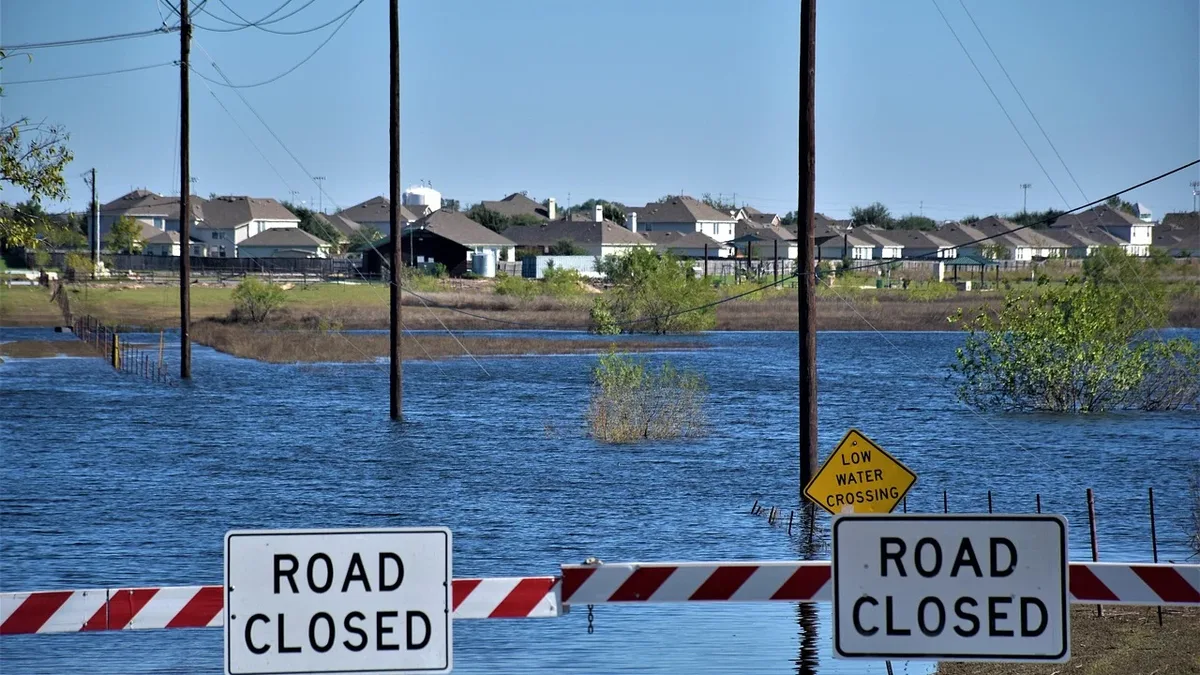
Flood alerts for England thunderstorms
Flood alerts are in place across England as heavy rain and thunderstorms are forecast for the bank holiday weekend, with warnings of travel...
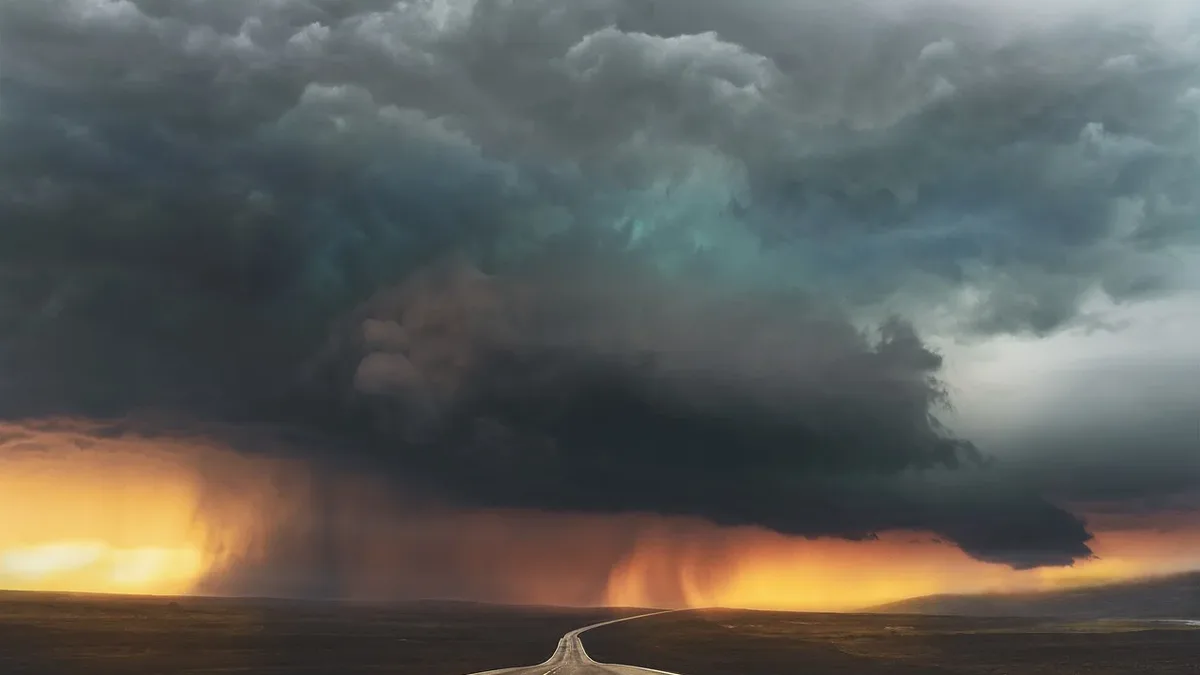
Yellow warnings remain in force as rain and thunderstorms hit parts of UK
A Met Office yellow warning for thunderstorms is active until 22:00 BST, covering large parts of England and Wales. Heavy rain of 20-30 mm in an hour...