Nepal flood leaves thousands missing
A glacial collapse caused a massive flash flood in Nepal, leaving over 4,200 people missing. Rescue efforts target buried hydropower stations.
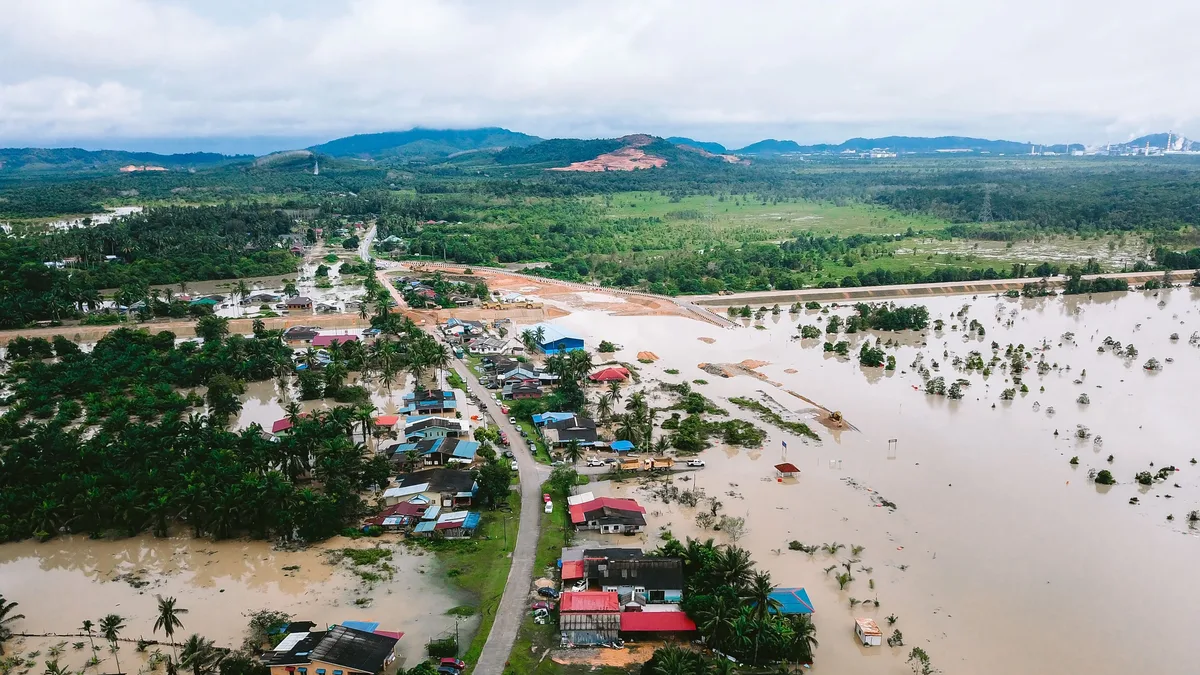
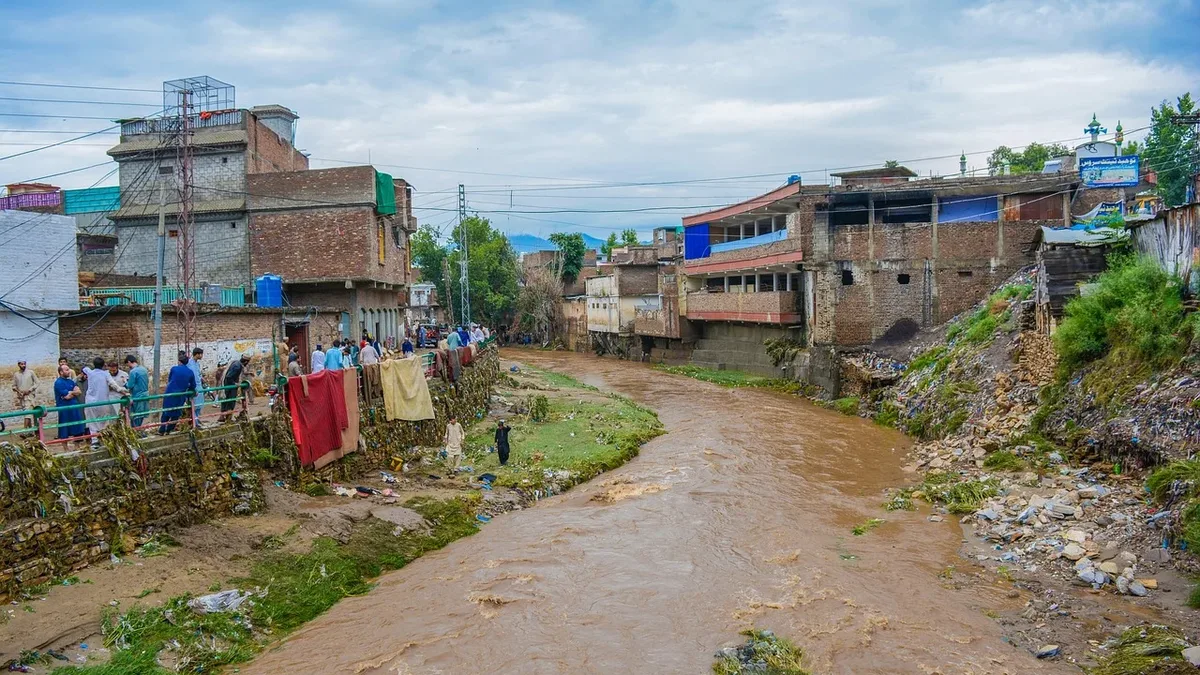
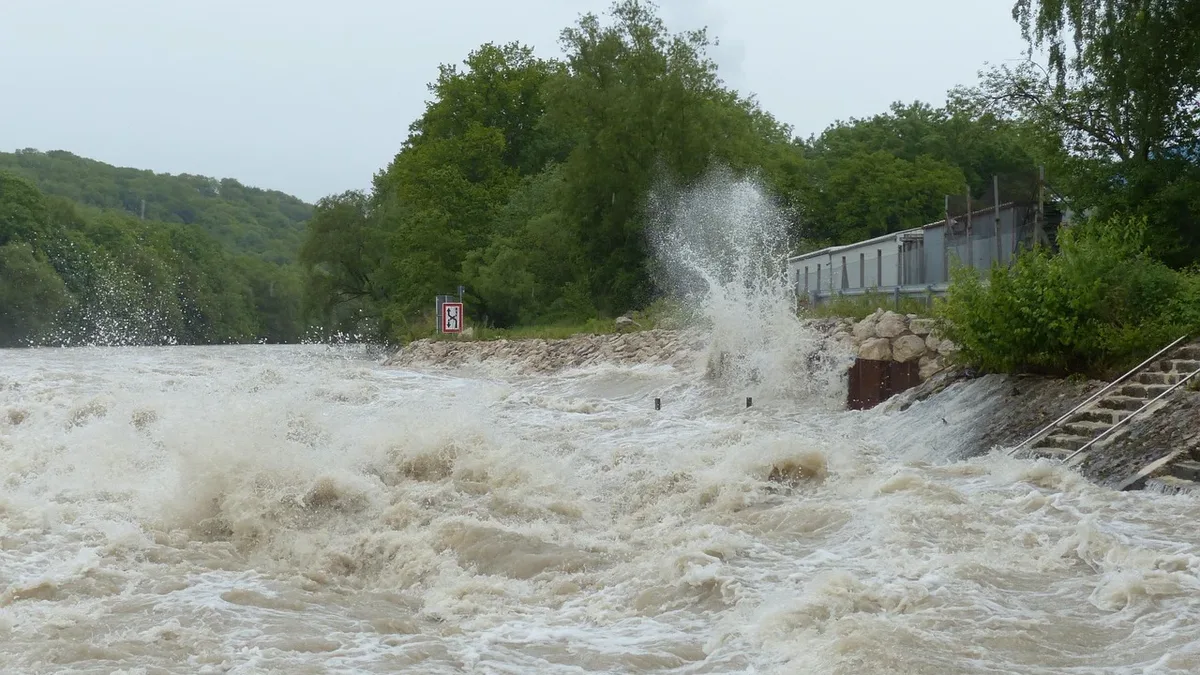
A glacial collapse caused a catastrophic flash flood in Nepal last week, leaving at least 903 people dead and 4,247 others unaccounted for. The disaster registered as a magnitude 5.2 tremor and sent floodwaters and debris surging 62 miles downstream.
Jyoti Upadhyay, a Nepali woman living in Tal-y-bont, Wales, says she has lost hope of finding a missing family member. Jit Bahadur Chaudhary, a driver who has lived with her mother-in-law for 25 years, was working at the Trishuli 3B hydropower site when the flood hit. Upadhyay told BBC Radio Wales that hope has been lost since Saturday.
Rescue efforts face extreme challenges
Authorities have concentrated rescue operations on the Trishuli 3A and 3B hydropower projects, where tunnels may have provided shelter. Nepali teams have used controlled blasts on hillsides to try to reach those trapped. Access remains severely limited.
Upadhyay explained it has been extremely difficult to reach the site. She said all the buildings are under meters of mud and it has been impossible to search for anyone there. The only viable access is by helicopter, requiring pilots with special skills for the treacherous terrain.
Communication breakdowns compounded the crisis. Upadhyay said phone connections failed within 20 minutes of the flood, leaving families in the dark. It took three days for her to receive any information, relying on news reports and contacts with local army and police.
The scale of the disaster
The US Geological Survey stated the disaster began with a glacial collapse. The falling ice hit a valley floor with such force it triggered the seismic event. The subsequent flood impacted a vast area along the river valley.
Upadhyay noted there are about 14 hydropower stations along the affected river. While some people at other stations survived by hiding in tunnels, hope is fading for the Trishuli 3B site where Chaudhary worked. She believes the initial wave likely washed him away.
| Category | Figure |
|---|---|
| Total people unaccounted for | 4,247 |
| Confirmed deaths | At least 903 |
| Missing hydropower workers | 933 |
| Distance flood debris travelled | 62 miles (100km) |
| Seismic magnitude of collapse | 5.2 |
Cultural and infrastructural aftermath
For families, the uncertainty hinders crucial cultural practices. Upadhyay said that in Nepal, death rituals are extremely important. Beliefs about ensuring a proper passage to the afterlife require a body, making the lack of closure particularly painful.
The flood also struck an area important for religious pilgrimage, meaning tourists are among the missing. Upadhyay said the region is accustomed to natural disasters like earthquakes, but the scale of this flooding was unexpected.
She linked the event to rising temperatures, warning of more cases of glaciers melting and collapsing. The damage to infrastructure is extensive. Upadhyay stated that a lot of hydropower and big solar infrastructure will need rebuilding. Many bridges providing access to communities were washed away, isolating numerous towns and villages.
The search continues, but for many, the waiting has become a grim vigil. About 300 bodies have been recovered downstream, but there has been no news of Jit Bahadur Chaudhary.