Rosebank FPSO Awaits UK Government Decision Before Christmas
The UK government must decide before Christmas whether to approve the Rosebank oil field, after a court ruled its 2023 approval unlawful for ignoring climate impacts. The project's floating vessel supports 122 jobs and could heat 500,000 homes, but faces fierce opposition from climate campaigners.
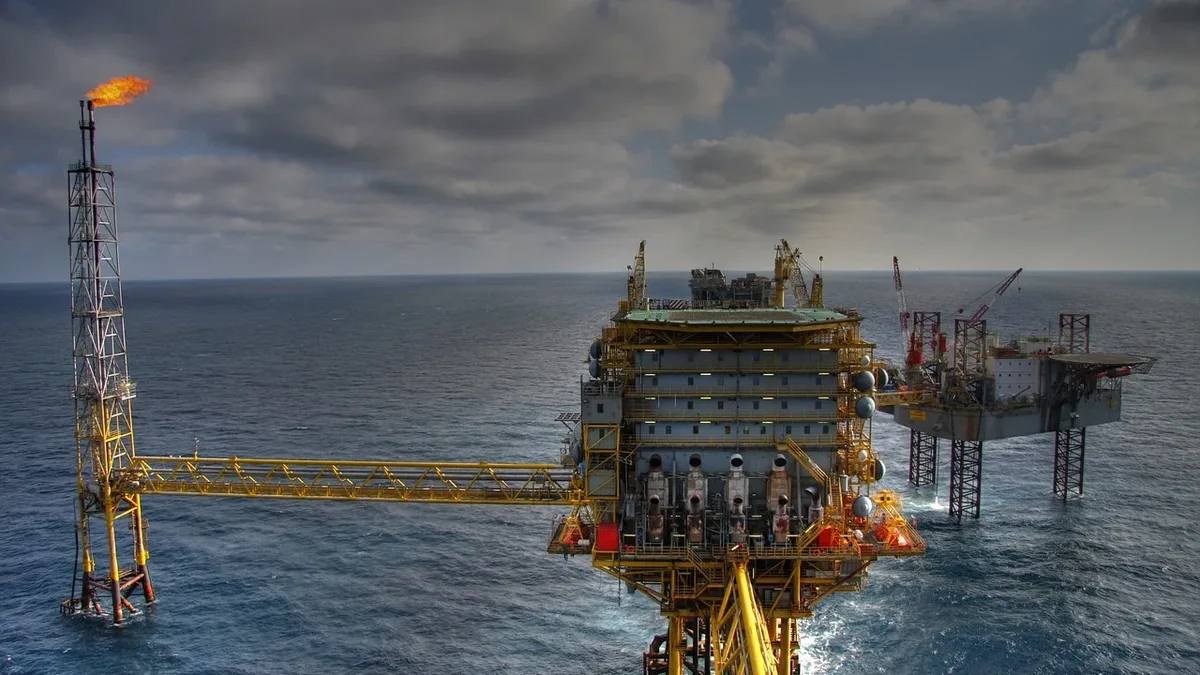
The UK government is expected to decide the fate of the Rosebank oil field before Christmas, following a court ruling that its previous approval was unlawful. Energy Secretary Miatta Fahnbulleh will determine whether the large floating production, storage and offloading vessel (FPSO), located 80 miles northwest of Shetland, can begin production.
In 2025, Scotland’s Court of Session ruled that the approvals for Rosebank and the separate Jackdaw field were unlawful. The court found the environmental assessments failed to account for the climate impact of burning the extracted oil and gas.
Economic and employment stakes on the FPSO
The project supports 122 well-paid jobs on board the Petrojarl Rosebank FPSO. Workers, including lead mechanical technician Ewan Leonard and production supervisor Douglas Hogge, report excellent facilities with single cabins, gyms, and skilled chefs.
Supporters argue the project is vital for tax revenue and energy security. Neil McCulloch of Adura, which owns the field in a joint venture with Ithaca, states the gas produced could meet the heating needs of approximately 500,000 British homes. Production supervisor Douglas Hogge believes approval could provide long-term employment extending to retirement for some workers.
Political and regulatory uncertainty ahead of Christmas
The decision rests with Energy Secretary Miatta Fahnbulleh and comes amid a declining industry trend. UK oil production peaked approximately 25 years ago, and recent job losses in oil and gas have exceeded job creation in renewable energy sectors like wind and solar.
Environmental campaigners strongly oppose the project. Tessa Khan, executive director of Uplift, calls it a 'disastrous decision' that will exacerbate climate change. She argues, "The future of the energy sector in the UK is renewable energy."
Industry decline and future of offshore energy
The Rosebank field contains an estimated 300 to 500 million barrels of oil, with a potential productive life of 25 years. Its approval could pave the way for four more gas developments west of Shetland: Tornado, Tornado East, Tobermory, and Suilven. Each could be comparable in scale to the Jackdaw field.
The work environment is harsh. Altera CEO Chris Brett describes the area west of Shetland as 'as harsh as you get anywhere in the world,' with potential for 30-meter swells in winter. The FPSO, chartered from Aberdeen-based Altera, rotates on a turret to face into the weather. Workers like helideck manager Nicola Boyd work a pattern of two weeks offshore followed by three weeks' leave. "It's good fun, it's interesting, every day can change," Boyd said.
Oil from Rosebank would be loaded onto tankers and sold on the international market, likely to continental Europe for refining. The government's decision before Christmas will determine the project's future development.