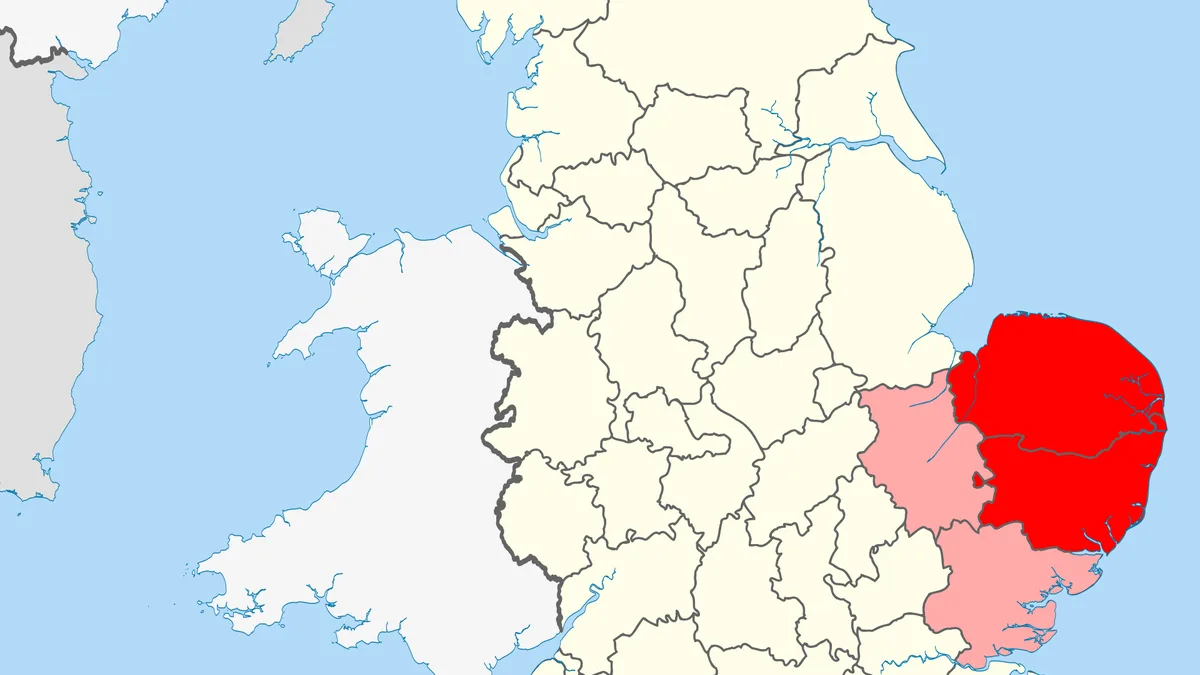
East Anglia
East Anglia (weather system) · Regional name for a persistent...
Regions on Wind and Warning: Highlands, Central Belt, Islands, Northern Ireland, North West and North East.
East Anglia (weather system) · Regional name for a persistent...

The Orionid meteor shower, debris from Halley's Comet, peaks overnight from October 21 to 22, with viewing conditions varying across the UK due to regional
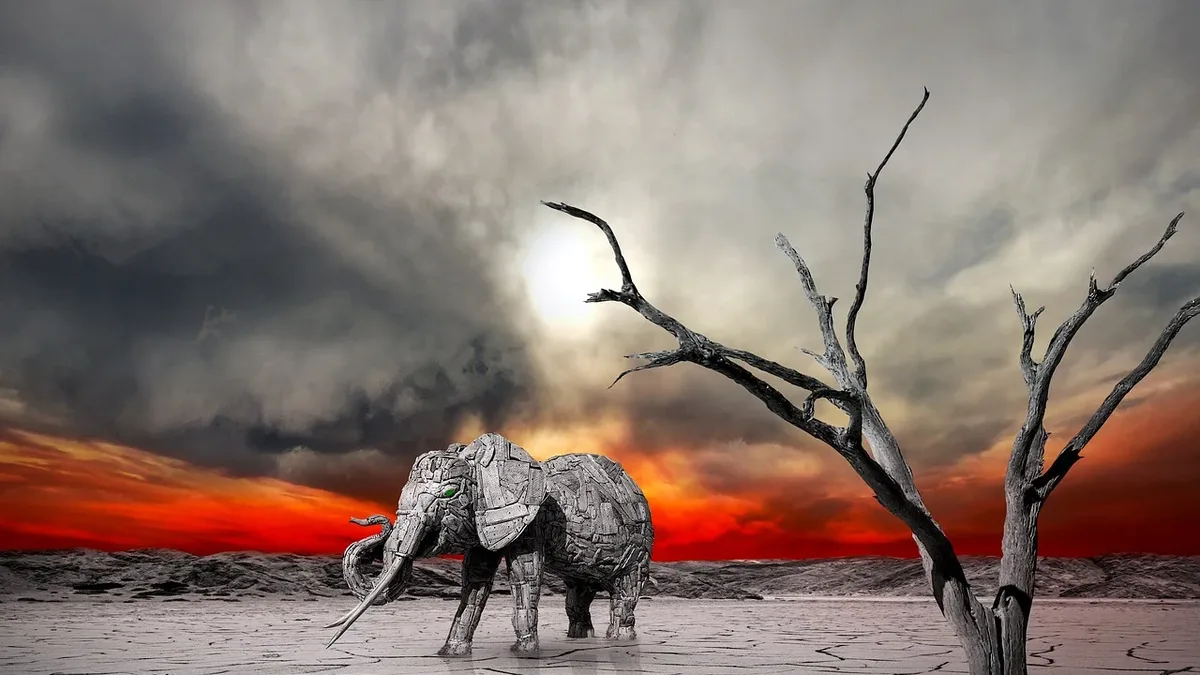
Satellite imagery reveals a 15-year decline at Elephant Butte Reservoir, which fell to 1.4% of capacity in July 2026, its lowest point in over 50 years
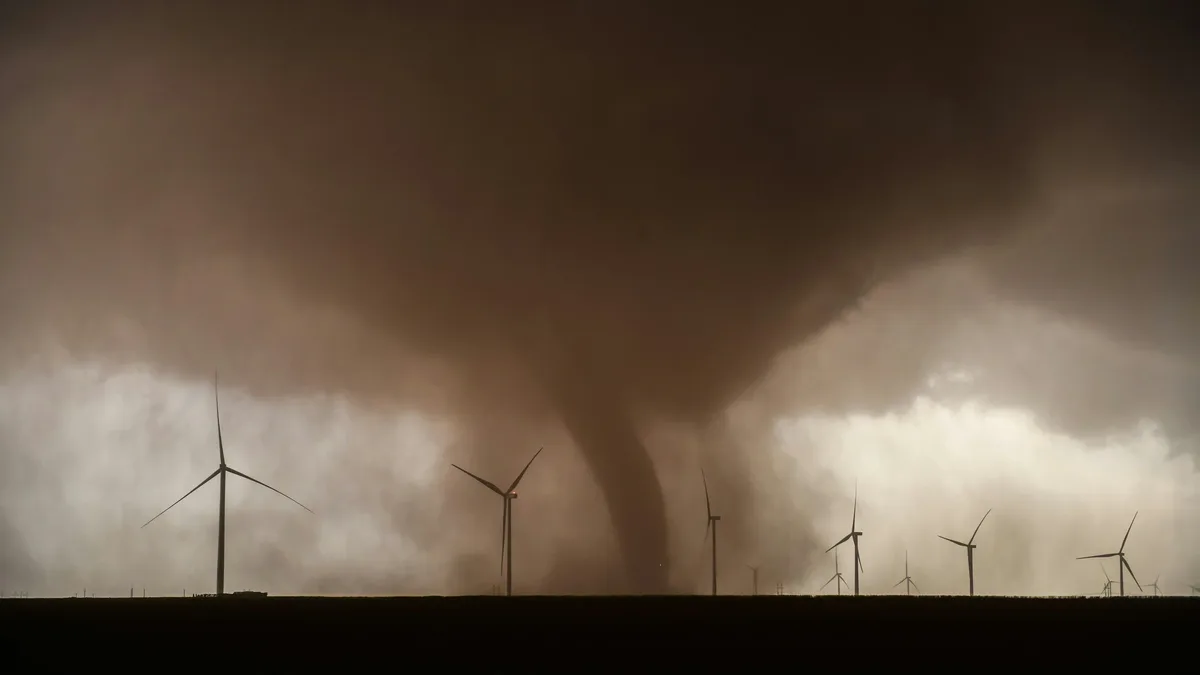
A powerful cold front will trigger severe thunderstorms across Western and Central Europe before ushering in sharply colder temperatures, ending a

First Minister John Swinney announces a £2 cap on single bus fares in six western Scottish council areas, effective from Monday.
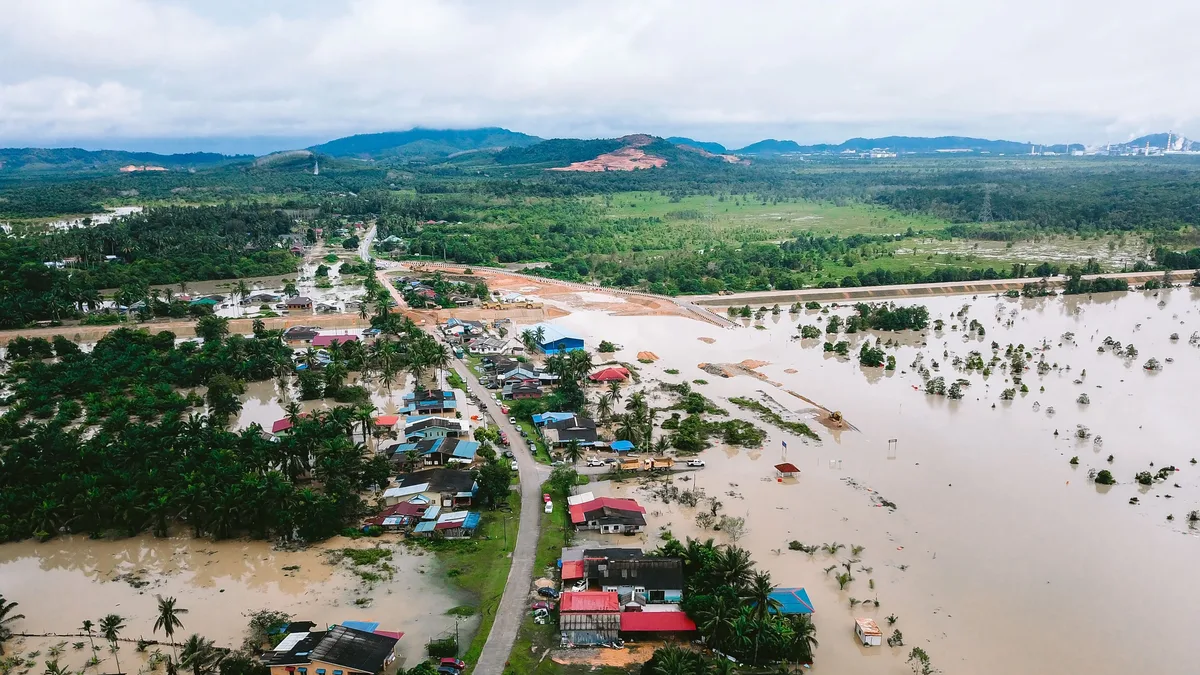
A glacial collapse caused a massive flash flood in Nepal, leaving over 4,200 people missing. Rescue efforts target buried hydropower stations.
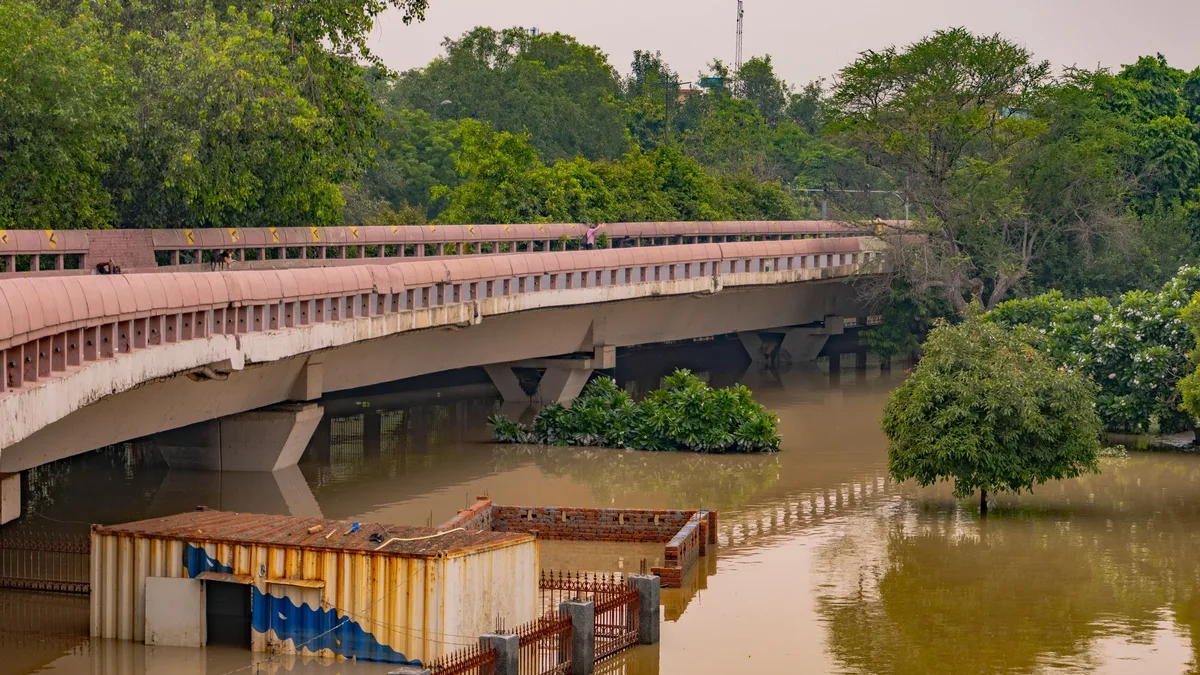
A catastrophic flash flood on 26 August destroyed the Rasuwagadhi border crossing between Nepal and China, sweeping away the Friendship Bridge and

A pastor was killed and six others injured when a heavy sign blew over in high winds at the Big Church Festival in West Sussex, leading to the event's

The 60th Notting Hill Carnival is underway in west London, attracting an estimated two million visitors over the weekend.
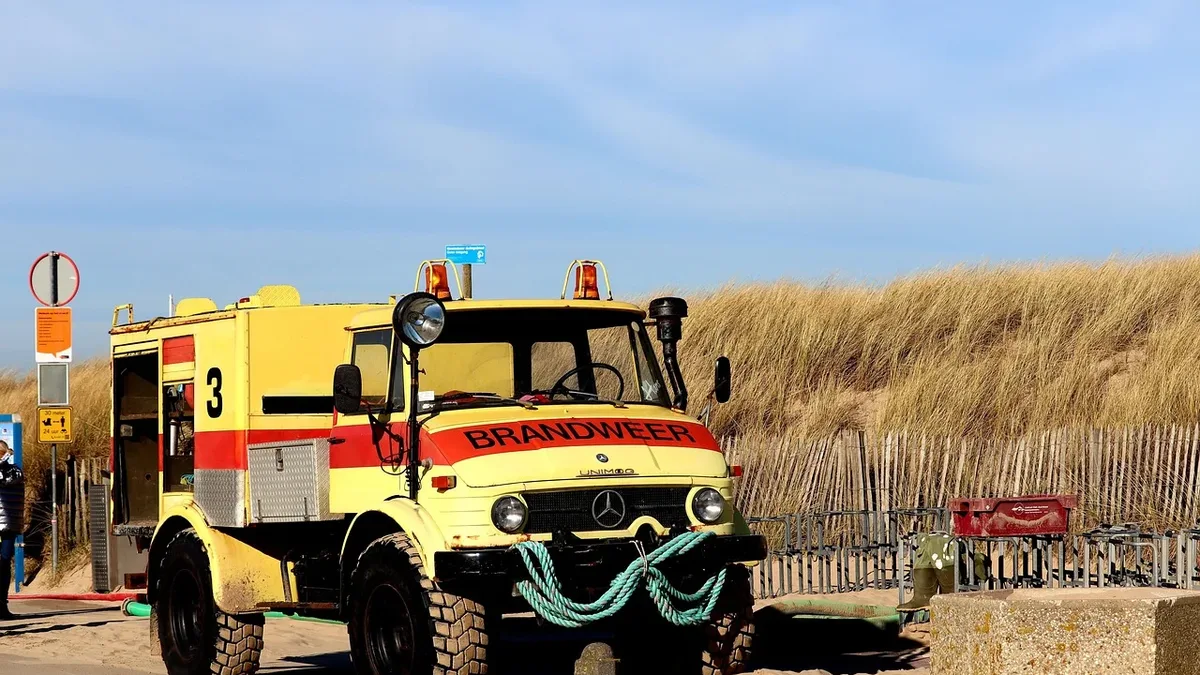
The two candidates for Scottish Labour leader, Joe Fagan and Michael Marra, have urged the UK government to approve new drilling licenses for the Rosebank
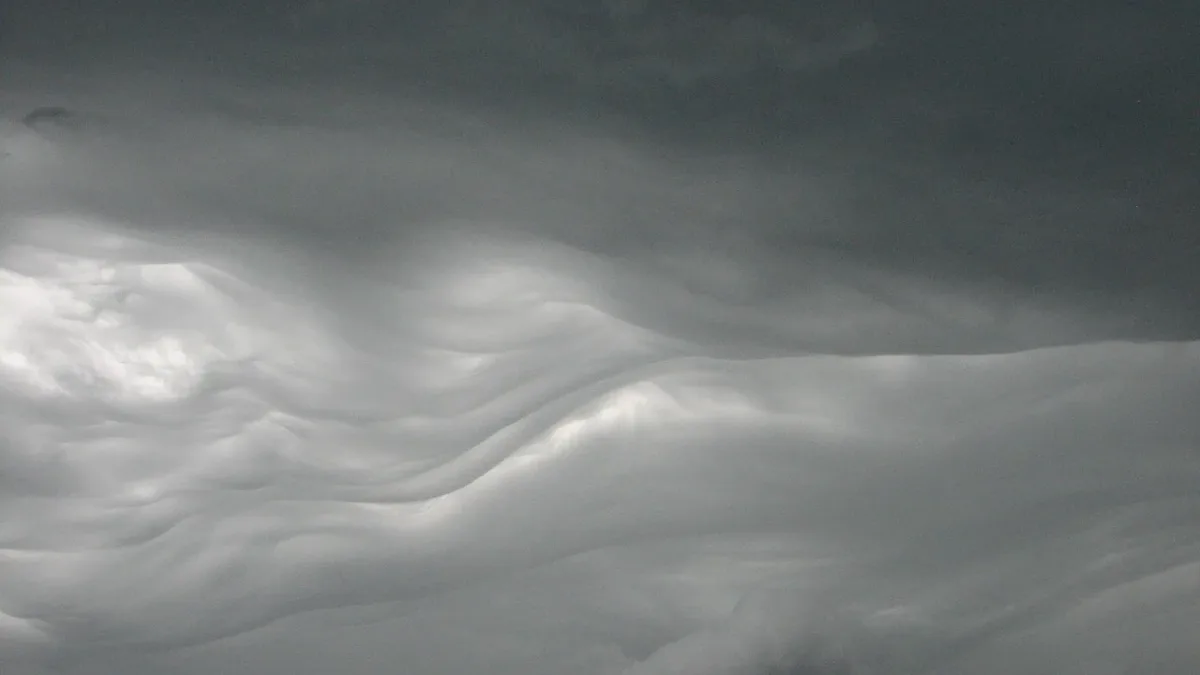
A strong Super El Niño is shaping Winter 2026/27, with models predicting record-strength anomalies that will drive a split-flow pattern across North America and Europe.
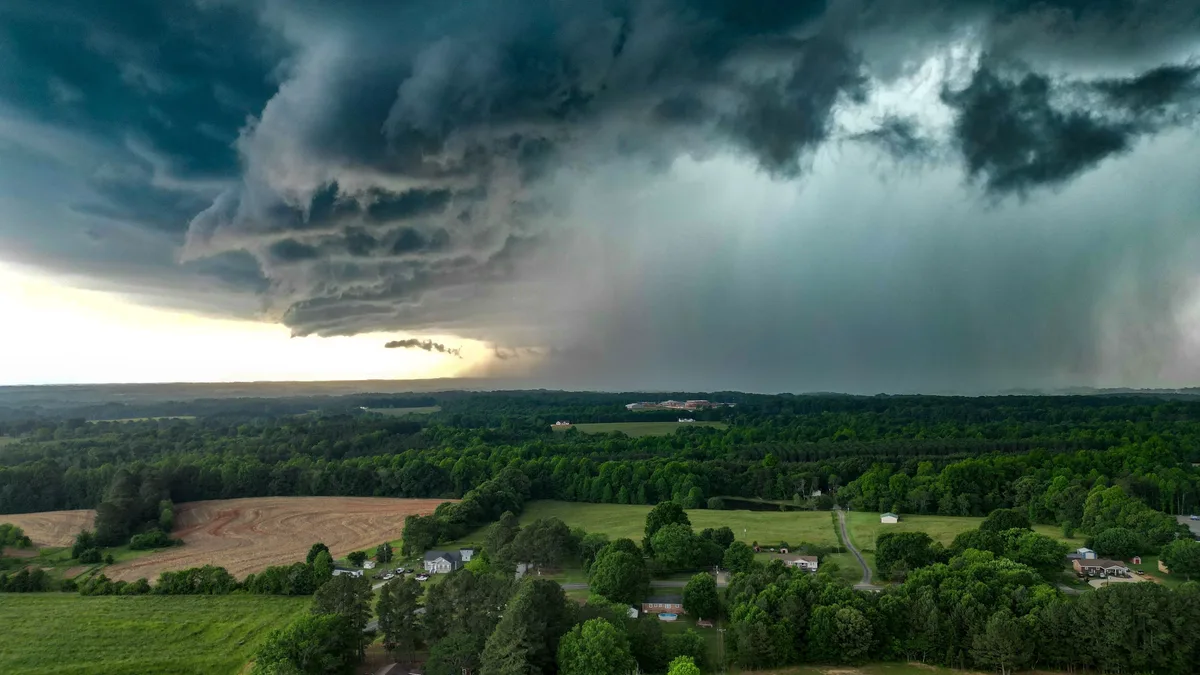
The Met Office warns that the developing El Niño event is likely to be the strongest in living memory, with significant impacts on global weather patterns and temperatures.
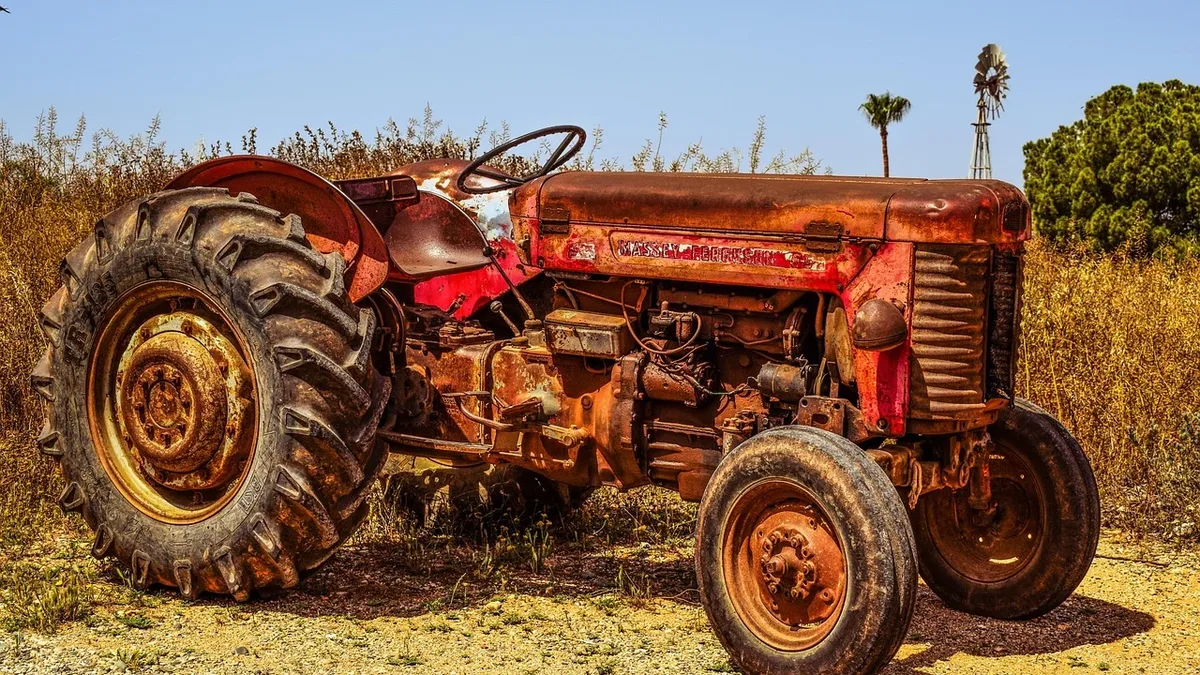
A rare breed of cattle has been introduced to a historic house in North Yorkshire as part of a 30-year conservation project
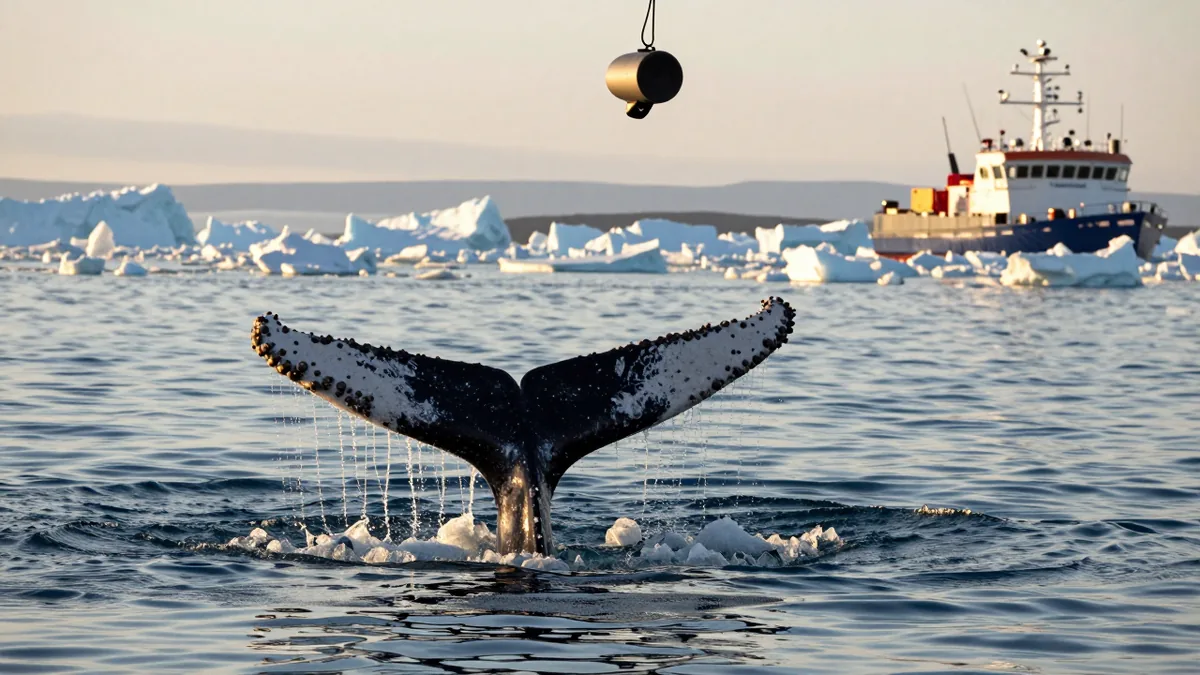
A decades-long study reveals that melting sea ice in East Greenland has allowed humpback, minke, and fin whales to exploit previously inaccessible feeding grounds, marking a dramatic ecological shift in the Arctic.