El Niño drives sharp Latin American banana export decline
Extreme weather from El Niño has caused a 32% drop in banana export earnings from Colombia's Caribbean region.
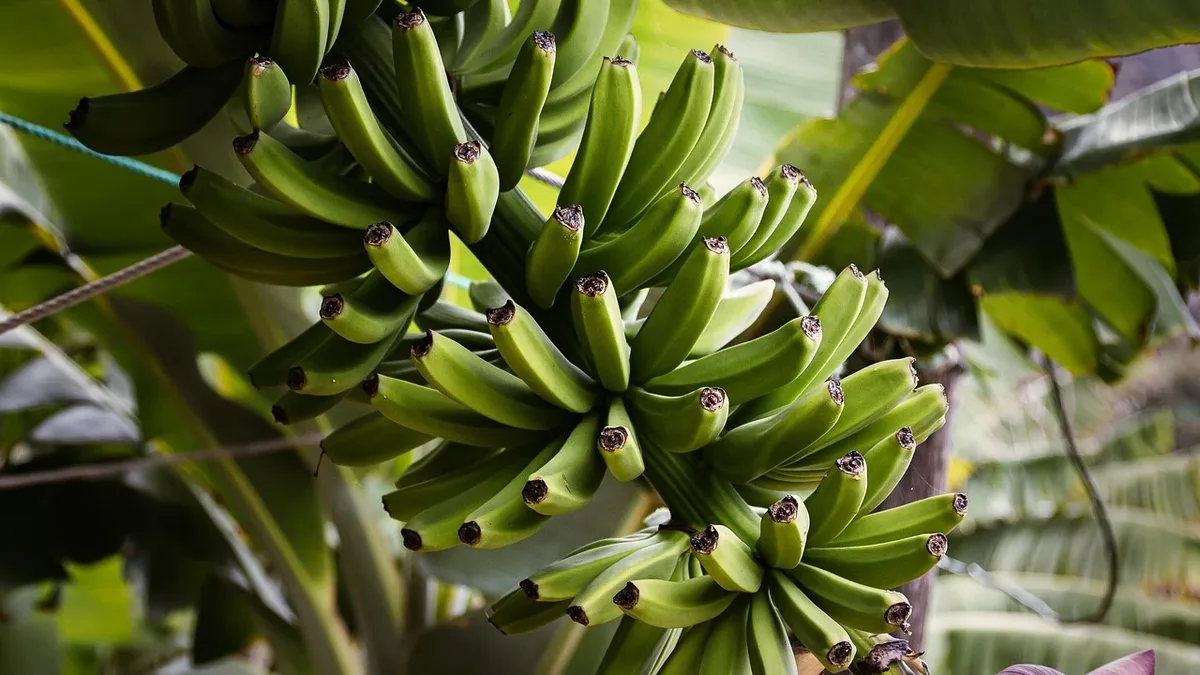
Current El Niño conditions are causing sharp drops in banana shipments and revenues across Latin America. Exports from Colombia's Caribbean region fell 32% to $122 million between July and September this year. In September alone, shipment volumes were 42% lower than a year earlier, with earnings nearly halving to $40 million from $70 million. Strong winds in Colombia and heavy rains in Peru and Ecuador are disrupting production and threatening the industry's sustainability.
Historical El Niño comparison reveals escalating risk
Past El Niño events offer a stark warning for current conditions. The 1983 event affected 15% of Ecuador's total planted banana area and caused a 36% reduction in exports. Experts warn the current cycle could be more severe. Fairtrade climate specialist Carly-Jane Stanton states that this El Niño is expected to lead to more severe impacts than the 2023-2024 cycle.
Fairtrade and industry response to climate pressures
In response to the crisis, banana producers are calling for better pay and fairer trading conditions to cope with climate impacts. The Association of Banana Growers of Magdalena and La Guajira is urging commercial agreements that recognise actual production costs. Fairtrade is calling on the United Kingdom to legislate against unfair trading practices like low or late payments to farmers. Eleanor Harrison, Fairtrade's chief executive, argues that the UK's banana supply depends on growers having the resources to adapt to climate change.
Long-term climate threats to banana cultivation
The immediate crisis is compounded by long-term projections. Research published for the Inter-American Development Bank in 2020 predicts that suitable land for banana cultivation in Latin America and the Caribbean could shrink by an average of 61% by 2050. This substantial loss of viable growing area would fundamentally challenge regional production capacity beyond the current El Niño disruptions.
Supermarket prices vs. producer costs
A growing economic gap exacerbates the physical climate threats. Banana prices in UK supermarkets have remained largely unchanged for almost forty years. This price stagnation persists despite steadily rising costs for producers for essential inputs like fertiliser, fuel, and labour. The disconnect between static consumer prices and increasing production costs leaves farmers with fewer resources to invest in climate resilience. The industry's vulnerability is showed by Fairtrade's warning that the current El Niño conditions could be more severe than the previous cycle.