Extreme autumn rains relieve Southwest drought but expose water deficits
Back-to-back extreme rain events in late October and early November 2026 ended short-term drought in the Four Corners region but caused widespread flooding and highlighted persistent long-term water storage shortages in the Colorado River Basin.
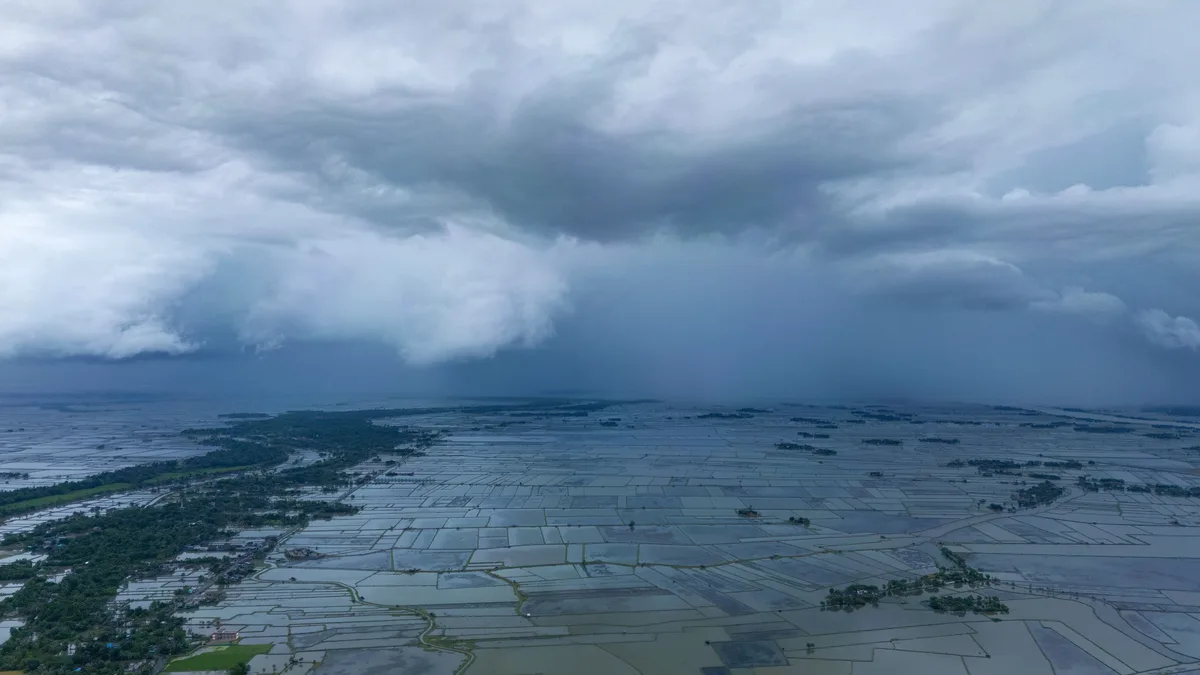
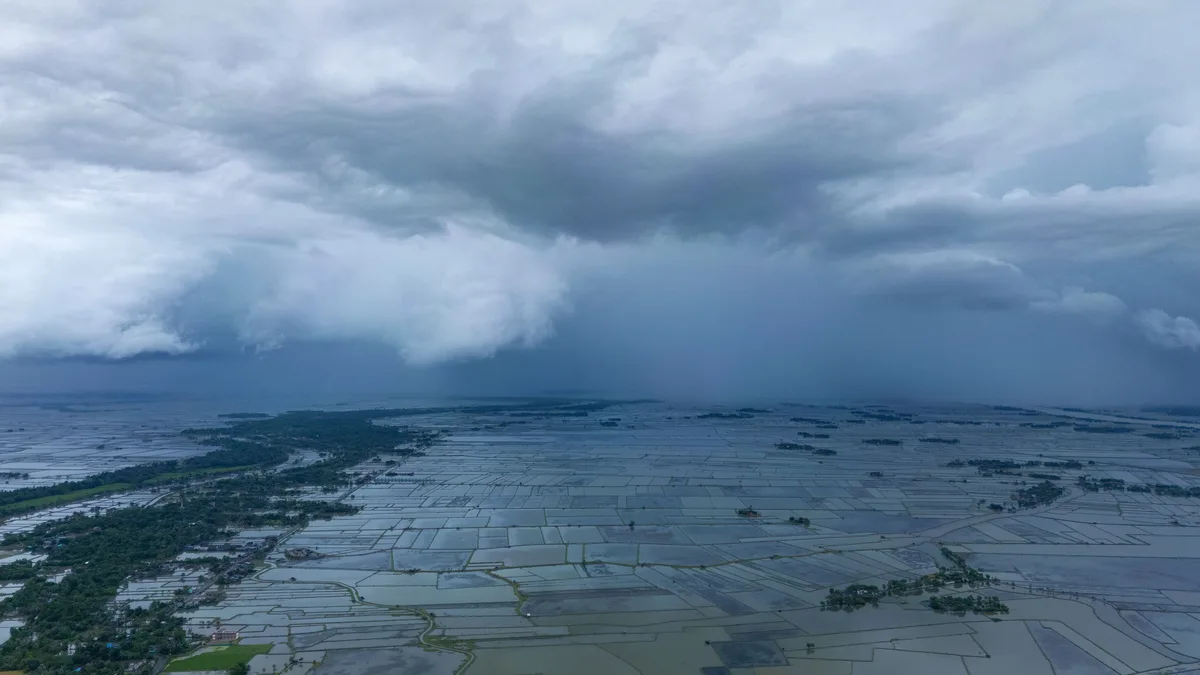
Back-to-back extreme rain events in late October and early November 2026 caused widespread flooding across the Four Corners region. Precipitation from early September through early November was two to four times the average, affecting southwest Colorado, southeast Utah, northern Arizona, and northwest New Mexico.
The low-latitude storm drew energy from unusually high ocean temperatures, consistent with ongoing El Niño conditions. Heavy rains hit areas including Flagstaff, Winslow, and Durango, Colorado, with rivers surging and floodwaters entering homes. Pagosa Springs, Colorado, received 5.05 inches of rain in the first round of storms.
Drought relief and flood damage
The storms alleviated short-term drought conditions in the Southwest but triggered damaging floods. The U.S. Drought Monitor noted that as of November 3, 2026, "short-term drought has ended for the Southwest and Great Basin," though long-term drought persisted. Steady rain made for a soggy Halloween in the Phoenix area and made it hard to reach polls in parts of the Navajo Nation.
Runoff swelled the San Juan River to major flood stage on October 23 and nearly record levels by November 1. This surge caused a dramatic rise in the Navajo Reservoir. Water levels there rose nearly 60 feet between September 20 and November 7. On November 7, the reservoir stood at 108 percent of average capacity, its highest level since August 2019.
Reservoir impacts and water storage context
Despite the dramatic local rise, Navajo Reservoir holds only a fraction of the Colorado River system's total capacity. The reservoir increased from 50% to 80% full between early October and early November, but it holds just 7% of Lake Powell's capacity. Lake Powell itself saw significant inflows from the storms, rising 14 feet since October 20.
The increase moved Lake Powell from 23% to 26% full. Yet it remained 15 feet lower than the previous year. The reservoir had reached a new record low due to over two decades of drought, climate change, and a lack of interstate agreement on reducing water demand.
| Reservoir | Change Period | Capacity Change | Resulting Fill Level | Key Context |
|---|---|---|---|---|
| Navajo Reservoir | Sept 20 - Nov 7, 2026 | Rose ~60 ft (18 m) | 108% of average | Highest since Aug 2019 |
| Navajo Reservoir | Early Oct - Early Nov 2026 | 50% to 80% full | 80% full | Holds 7% of Lake Powell's capacity |
| Lake Powell | Since Oct 20, 2026 | Rose 14 ft | 23% to 26% full | Still 15 ft lower than previous year |
Inflow volumes showed the scale of the event but also the system's deficits. October 2023 saw 232,000 acre-feet flow into Lake Powell, more than triple the average October inflow over the past five years. Rain-charged inflows added about 850,000 acre-feet to Lake Powell in October. For comparison, average spring inflows are around 5 million acre-feet. One acre-foot is roughly enough to cover a football field with one foot of water and supplies a year's water for three Phoenix-area homes.
Regional water challenges persist
Water experts emphasized the temporary nature of the relief. Nolie Templeton of the Central Arizona Project, which brings Colorado River water to Phoenix and Tucson, described the rains as 'a drop in the bucket' after 27 years of drought. Water policy researcher Kathryn Sorensen stated that the modest flood flows provided important breathing room but did not boost overall storage or delay planned water cutbacks.
Long-term challenges remain severe. Lake Powell's levels are dangerously low, threatening hydropower generation at Glen Canyon Dam and safe water releases downstream. Limits on outflows from Lake Powell last summer prevented a burst of cold water into the Grand Canyon, harming native fish populations, and accelerated water level drops in Lake Mead, the nation's largest reservoir.
Arizona has threatened to sue upstream states over reduced downstream releases, citing violations of the century-old Colorado River agreement. Meanwhile, planned cutbacks to Arizona's water supply are expected to begin in the new year, with federal rules unlikely to change. The rains did help soak mountain soils, potentially improving spring snowmelt runoff into the Colorado River system. However, it would take five consecutive above-average snowfall winters in the Rockies to raise Lake Powell halfway full-a scenario deemed unlikely due to warmer, drier winters. Last winter was the driest in decades.
Other regional systems saw more immediate benefit. Reservoirs along the Salt and Verde Rivers, which are more prone to quick refills, are now 69% full, up from 48% on October 1. The Salt River Project released massive volumes from Bartlett Lake, sending surging flows through downtown Phoenix to help recharge the groundwater aquifer. Planned cutbacks to Arizona's water supply are expected to begin in the new year.