Central Belt
| Country of origin | United Kingdom |
|---|---|
| Geographic area | Central Scotland |
| Major settlements | Glasgow and Edinburgh |
| Weather system | Low-pressure systems |
| Warning type | Severe weather warning |
| Trigger | Wind, rain, or snow |
| Seasonality | Autumn to winter |
| Typical effects | Travel disruption and flooding |
Origin and history
Central Belt is a geographical term used mainly in Scotland for the densely populated Lowland corridor between the Clyde and the Forth. It is associated with Glasgow, Edinburgh and the towns, industrial areas and transport routes between them. The term is not a formal local government boundary, and it has no single founder, launch date or fixed legal definition. Its documented use developed during the twentieth century as Scottish planning, transport and media discussions needed a short label for this central urban region. Earlier administrative changes, such as the existence of a Central Region in Scotland from 1975 to 1996, show that the idea of a central Scottish area was used in official planning, but the Central Belt as a common term remained broader and less precise. In weather communication, the name became useful because it identifies a familiar area for the public without requiring a map of every local authority boundary.
What it is for
In a weather warning context, Central Belt is used as a named area to tell people where a warning may apply. It helps turn a broad weather system into a message that readers can place on a map. The warning itself explains the expected hazard, such as wind, rain, snow, ice or fog, while Central Belt marks the area considered at risk. The term is useful for transport, emergency response and public information because the central corridor contains major roads, railways, airports and large populations. It is not a forecast for one town, a street, a hillside or a coastline, and it does not mean every part of the belt will be affected in the same way. Its purpose is to group places that share a common weather risk and a common communication audience, not to predict exact conditions.
Pros and cons
The main advantage is clarity, because Central Belt is a familiar label for a large part of Scotland and is easier to recognise than a list of council areas. It also helps emergency communicators issue a single warning for a corridor where impacts may spread across several authorities. The disadvantage is that it is too broad for precise decisions, because the belt includes coasts, inland valleys, hills, cities and towns with different exposure to wind and rain. People near the edge of the named area may receive a warning that does not reflect their local conditions, while people outside it may miss a risk that reaches their boundary. The common mistake is treating Central Belt as a uniform weather zone or as an official administrative region, when it is only a loose geographical label. This can cause regret among residents, farmers, transport planners and local responders who need more specific guidance than a broad regional warning can provide.
Who it suits
Central Belt suits readers who need a quick area-level understanding of a weather warning, especially residents and commuters in central Scotland. It is useful for people using major roads and rail routes between Glasgow and Edinburgh, because the warning label matches the corridor they travel through. It also suits public information officers, emergency planners and transport operators who need a common name for a large audience. It is less suited to people who need hyperlocal advice, such as farmers on exposed fields, coastal workers, mountain travellers or residents in specific valleys. Those users should treat the Central Belt warning as a starting point and then check local authority, site-specific or route-specific information. It works best when the reader understands that the term is a communication region, not a precise boundary or a guarantee of identical weather across the area.
Latest Central Belt news
Latest reporting

October 2026 heat wave breaks records across Midwest and South
A historic October heat wave shattered daily temperature records across the central U.S. on October 13, 2026, with readings up to 13.3°C above...
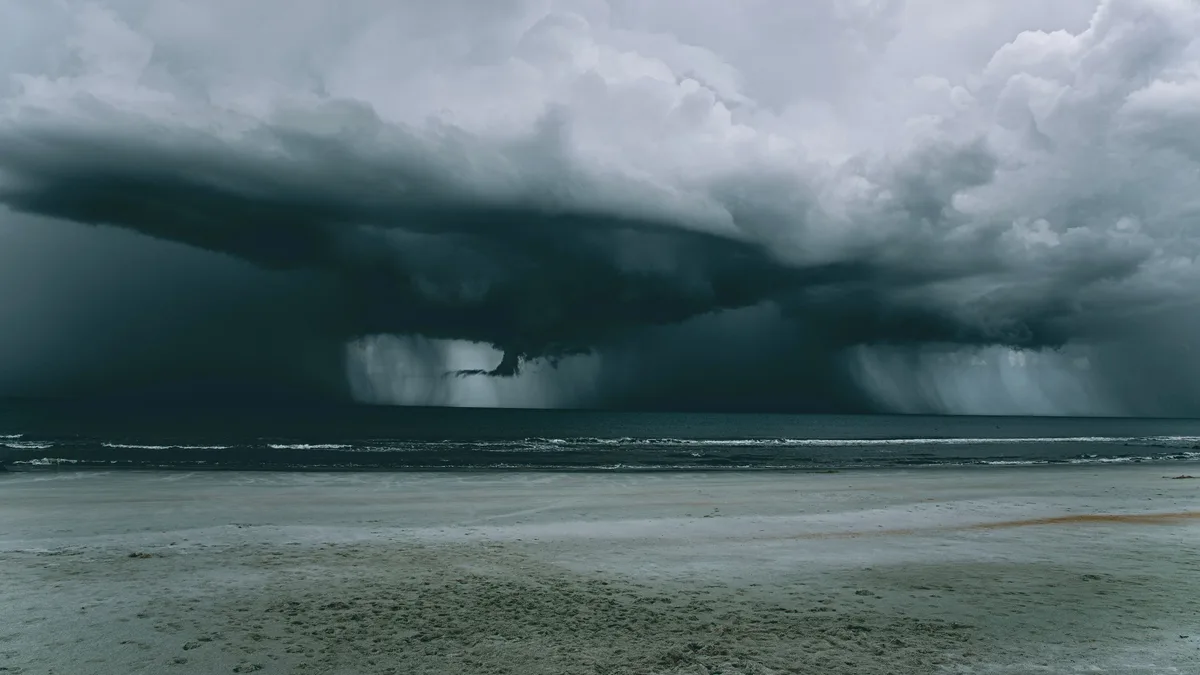
Hurricane Polo threatens Mexico with torrential rain
Hurricane Polo, a powerful Category 4 storm, is threatening Mexico's west-central coast with torrential rainfall and high surf.
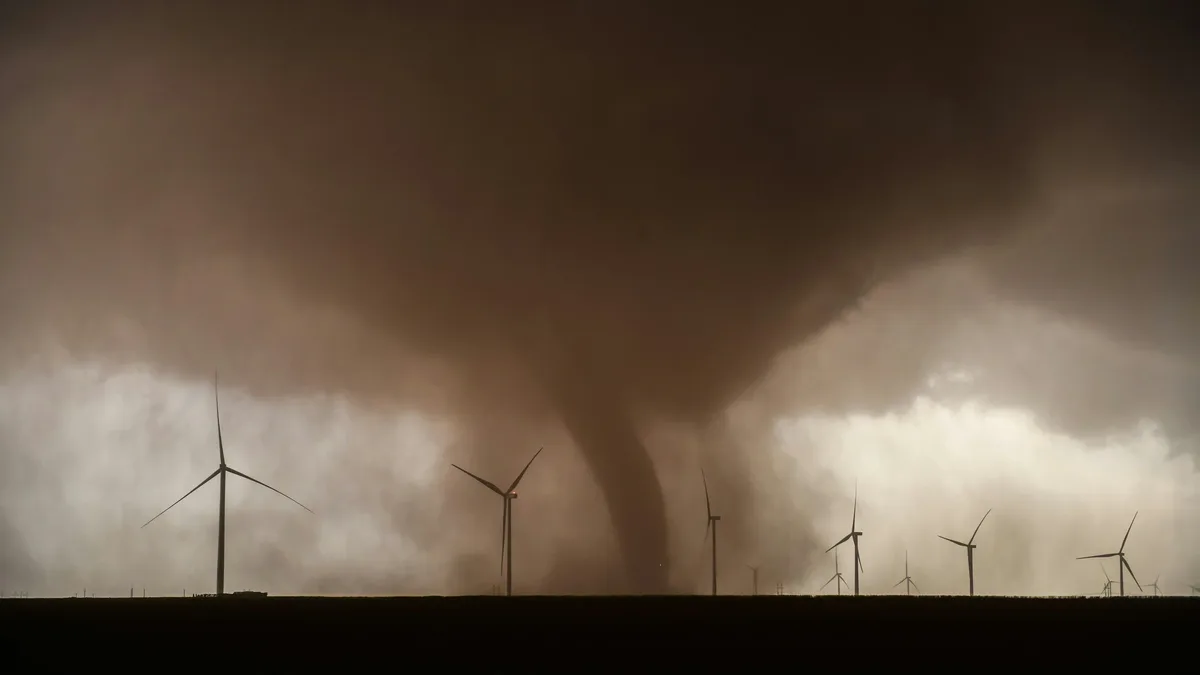
Severe Weather Outbreak Ends Europe's September Heatwave
A powerful cold front will trigger severe thunderstorms across Western and Central Europe before ushering in sharply colder temperatures.