Siberian Snow Signal Fades in Modern Climate Data
A long-held winter forecasting theory linking rapid Siberian snow cover in October to harsh winters in North America and Europe shows a weakening signal over recent decades. Meanwhile, UK insurers report a surge in weather damage claims, prompting expert advice on storm-proofing homes.
Two separate climate and weather stories highlight the evolving understanding of seasonal signals and the practical impacts of severe weather. An analysis of a famous winter forecast indicator reveals its predictive power has diminished over 47 years of data. Separately, a rise in UK storm damage claims has led to detailed guidance on protecting properties from extreme conditions.
Siberian Snow Cover Theory
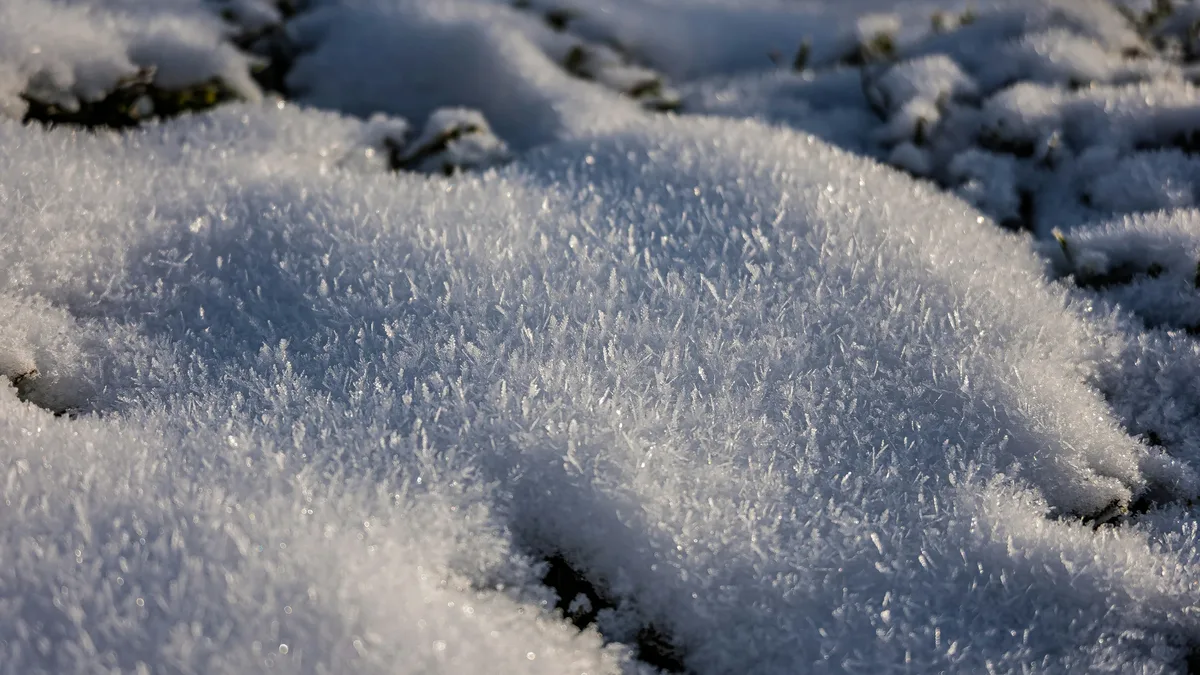
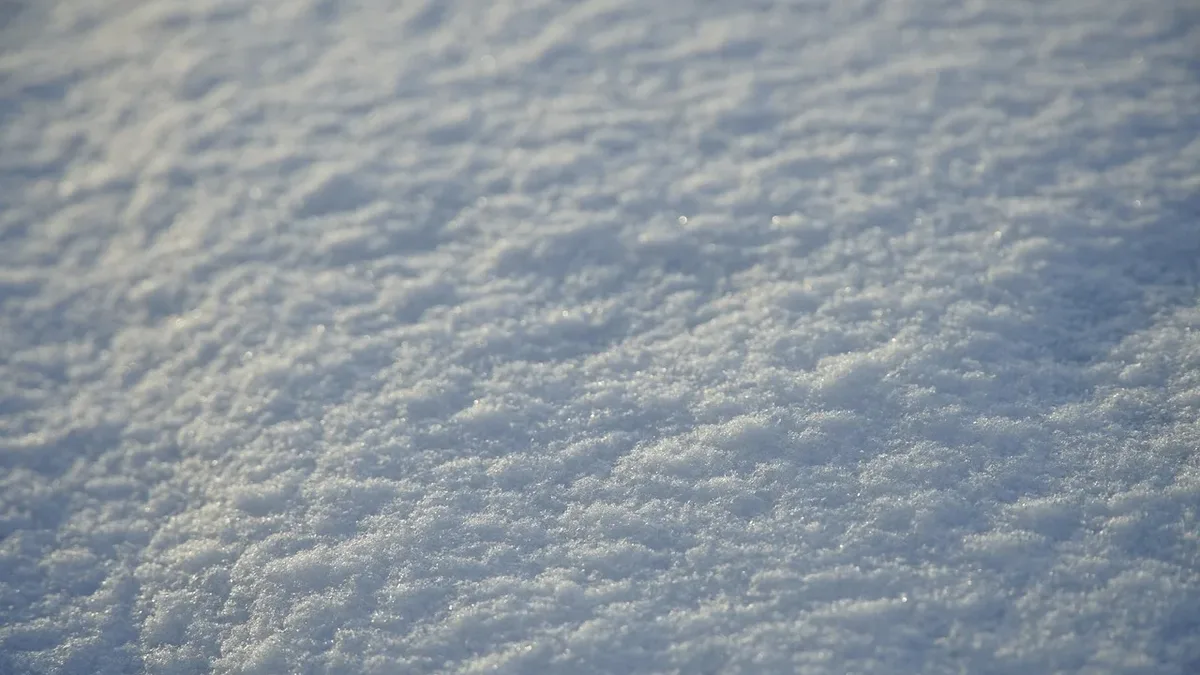
A scientific study from 2011 proposed that the speed of snow cover expansion across Eurasia in October could serve as an early warning for cold, snowy winters in the United States, Canada, and Europe. The theory suggests fresh snow cools the ground, strengthens the Siberian high-pressure zone, and can ultimately weaken the stratospheric Polar Vortex, allowing cold Arctic air to spill southward. To test the theory's modern relevance, an analyst examined 47 winters of data from 1979 to 2025 using four different snow datasets.
The results showed the signal was strong during the original study period from 1997 to 2010, correctly predicting winter patterns 9 out of 14 times. However, over the full 47-winter span, the link was correct only 25 times and wrong 22 times, a performance akin to a coin flip. In the 15 winters since the study's publication, the signal was right only 6 times, indicating its predictive power has faded. The analyst concluded that while the physical mechanism makes sense, the October snow advance is no longer a reliable standalone forecast signal for winters like 2026/2027.
Preparing Homes for Storms
The Association of British Insurers reported that payouts for storm damage to UK homes surged 32% to £244 million in 2025, with total weather damage claims reaching £758 million. Experts attribute this rise to increasingly severe weather and advise that regular maintenance can help prevent property damage. Practical steps focus on securing a home's primary defenses against heavy rain and strong winds.
Alex Peters, a cost guide expert at Checkatrade, stated that the primary line of defense begins at roof level, where high winds can dislodge weak structures. He emphasized the importance of regular roof and chimney inspections, which average about £250 per visit, to check for loose tiles or mortar decay. Most roof repairs cost between £110 and £160 per square meter. Maintenance should also extend to clearing gutters, which costs about £20-30 per hour for a tradesperson, and inspecting brickwork for cracks or damp-causing defects. Andy Simms of MyBuilder noted that pruning overhanging trees, a job costing around £100, is crucial to prevent property damage and clogged drains.