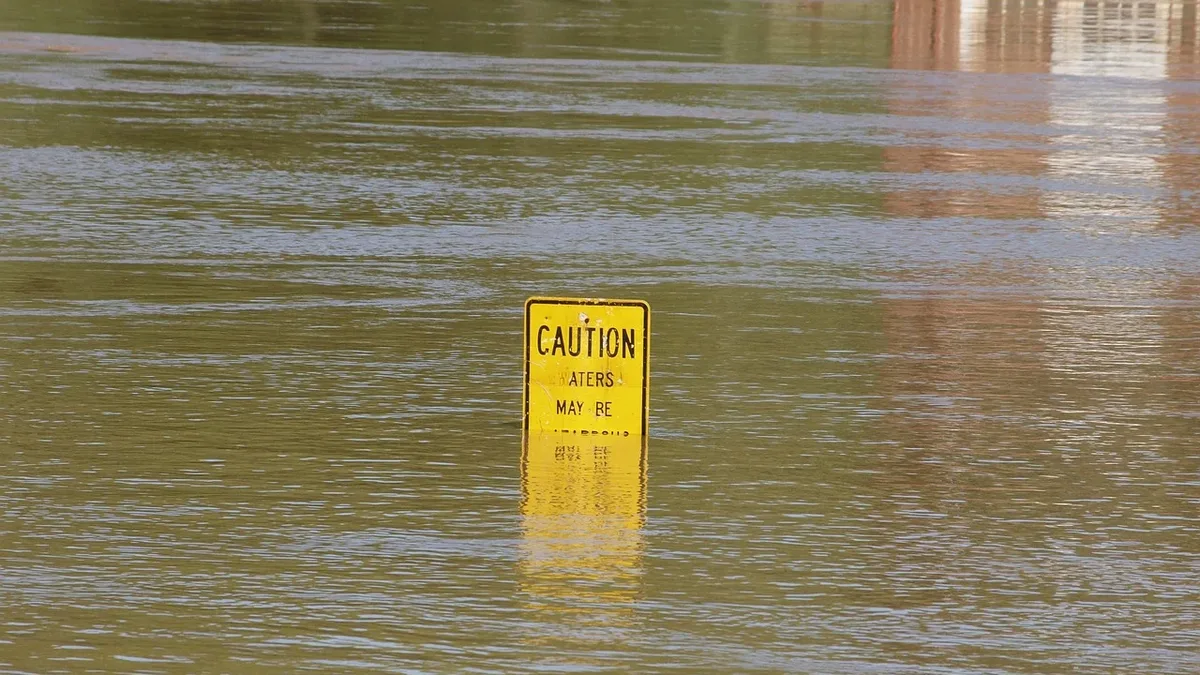
UK summer 2026 was hottest on record, Met Office confirms
Summer 2026 was the UK's hottest on record, with temperatures 2.4°C above average and rainfall 23% below normal, leading to widespread drought.
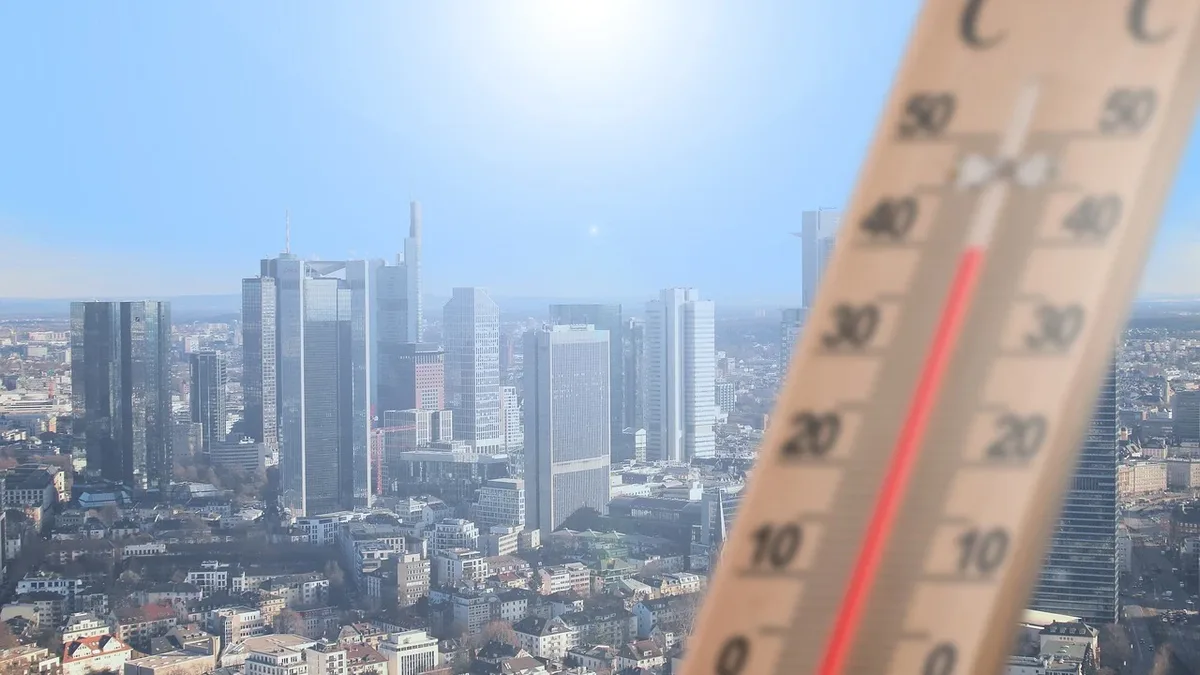
Summer 2026 was the United Kingdom's hottest on record. The season saw average daily maximum temperatures hit 21.3°C, which is 2.4°C above the 1991-2020 historical average, while rainfall was 23% below normal.
Much of the country suffered drought conditions and repeated heatwaves. Virtually all regions experienced above-average temperatures, with southern England and Wales seeing conditions far above usual. Scotland and Northern Ireland recorded temperatures closer to their normal range. Only north-western Scotland received more summer rain than average.
How the temperature and rainfall data are measured
The findings are based on the Met Office Hadley Centre's HadUK Grid dataset. This system provides high-resolution climate data for the UK landmass. It does not cover the Channel Islands.
Each data point represents an estimate for the centre of a 1km by 1km grid box. Values are calculated using observations from land-based weather stations, adjusted for factors like altitude and distance from the coast. The final result for any area is a mean average of that grid cell and its nearest neighbours.
For most locations, this represents a 5km square. Along coastlines, no grid cell used is further than 7km away. The historical averages against which 2026 is compared are calculated over the 30-year period from 1991 to 2020, matching World Meteorological Organization standards.
Weather patterns and climate links behind the extreme summer
Persistent high-pressure systems dominated the UK for much of the season. These brought clear, sunny skies and sustained warm, dry conditions across many regions.
Human-caused climate change was a decisive driver behind the record heat. "The Met Office estimates that this summer's average temperature was made about 130 times more likely by human-caused climate change," officials stated. Global warming, driven mainly by fossil-fuel combustion, is raising average UK temperatures. This causes vegetation and soils to dry out more quickly, worsening the effects of low rainfall.
Climate projections indicate UK summers will on average become drier. When heavy rain does occur, it could fall in more intense bursts. Scientists warn average temperatures will keep increasing while greenhouse gas emissions continue. Not every summer will be as hot or dry as 2026 due to natural year-to-year weather variation.
Context and sources behind the report
The data for 2026 is currently provisional due to lags in data availability. Precise values could change slightly as more information becomes available. The analysis was developed and tested by specialists including Ryan Smith, Stephen Connor, and Adam Allen, with data support from Libby Rogers and Christine Jeavans.
Methodology support was provided by Dan Hollis, Amy Doherty, and Oli Claydon of the UK Met Office. The Hadley Centre notes that "HadUK Grid is one of the main products used by scientists to monitor and research the UK’s changing climate."
UK summers are expected to become drier on average due to climate change, with heavy rain potentially falling in more intense bursts when it occurs.