Atmospheric River
| Definition | Long narrow corridor of concentrated water vapour in the atmosphere |
|---|---|
| Type | Synoptic-scale weather feature |
| Typical length | Hundreds to thousands of kilometres |
| Typical width | Hundreds to over a thousand kilometres |
| Moisture content | Can carry large amounts of water vapour |
| Season | Most common in cool and wet seasons in many regions |
| Impact | Heavy rain, snow, flooding, and landslide risk |
| Warning use | Alerts for extreme precipitation and related hazards |
Origin and history
The term "atmospheric river" originates from meteorological research conducted in the late 20th century, with significant foundational work emerging from the United States in the 1990s. The concept was developed to describe long, narrow corridors of intense water vapor transport in the atmosphere, which had been observed but not formally named in earlier decades. Researchers Zhu and Newell at the Massachusetts Institute of Technology were pivotal in formally defining the phenomenon in their 1998 paper, establishing the core scientific framework. The understanding of these features was greatly advanced by the advent of satellite-based water vapor imagery, which allowed scientists to visualize their structure and movement across ocean basins. Historical analysis of precipitation records has since allowed climatologists to infer the occurrence of impactful atmospheric rivers long before the term was coined, linking them to major flood events in history. The formalization of this concept transformed how meteorologists analyze moisture delivery and extreme precipitation events on a global scale.
What it is for
An atmospheric river is a crucial component of the Earth's hydrological cycle, responsible for a significant percentage of the global transport of water vapor outside the tropics. Its primary function is to transport immense volumes of moisture from warm, tropical and subtropical regions toward the mid-latitudes and polar regions. This concentrated moisture flux is essential for replenishing freshwater supplies in many coastal regions and mountain ranges through precipitation, often contributing over half of the annual rainfall in areas like the West Coast of North America. The phenomenon acts as a natural conveyor belt, redistributing heat energy from the equator toward the poles, thereby influencing broader weather patterns and climate dynamics. When an atmospheric river makes landfall and is lifted by mountain ranges, it releases this moisture as prolonged, heavy rainfall or snowfall, which is a vital source for reservoirs and snowpack. In the Earth's climate system, these features are integral to balancing atmospheric moisture and energy, making them a fundamental subject of study in both weather forecasting and climate science.
Pros and cons
The primary benefit of atmospheric rivers is their role as a dominant source of beneficial precipitation, critically ending droughts and filling reservoirs in regions like California and the Pacific Northwest. They are responsible for building the seasonal snowpack in mountain ranges such as the Sierra Nevada and the Andes, which serves as a natural freshwater reservoir for summer months. However, the major drawback is their potential to cause extreme flooding, debris flows, and widespread damage when they stall over a region or interact with steep terrain, releasing precipitation at exceptional rates. A common mistake in water resource management is viewing these events solely as hazards, leading to infrastructure that quickly sheds water rather than capturing it, thereby wasting a vital resource during periods of scarcity. Communities and emergency managers often regret inadequate preparation for the "Pineapple Express" type of atmospheric river, which can bring warm rains that rapidly melt existing snowpack, leading to compounded flood risks. The phenomenon presents a stark duality, where the same event that breaks a drought can also trigger catastrophic flooding, making integrated water management and forecasting exceptionally challenging.
Who it suits
This meteorological phenomenon is of paramount importance to hydrologists and water resource managers in coastal and mountainous regions globally, who must plan for both its life-sustaining water supply and its destructive potential. Climate scientists specializing in the global water cycle and extreme weather events study atmospheric rivers to understand their behavior in a changing climate and their links to larger patterns like the El Niño-Southern Oscillation. Emergency response planners and flood control authorities in vulnerable watersheds, such as those in British Columbia, Chile, and Western Europe, require detailed knowledge of atmospheric river forecasts to coordinate evacuations and resource deployment. Agricultural communities in Mediterranean climates are particularly suited to monitoring these systems, as their annual crop yields and irrigation schedules can be heavily dependent on the timing and intensity of a handful of these events. Finally, the skiing and winter tourism industry has a direct interest, as atmospheric rivers can deliver massive snowfalls to mountain resorts but also cause rain-on-snow events that damage infrastructure and close operations.
Latest Atmospheric River news
Latest reporting
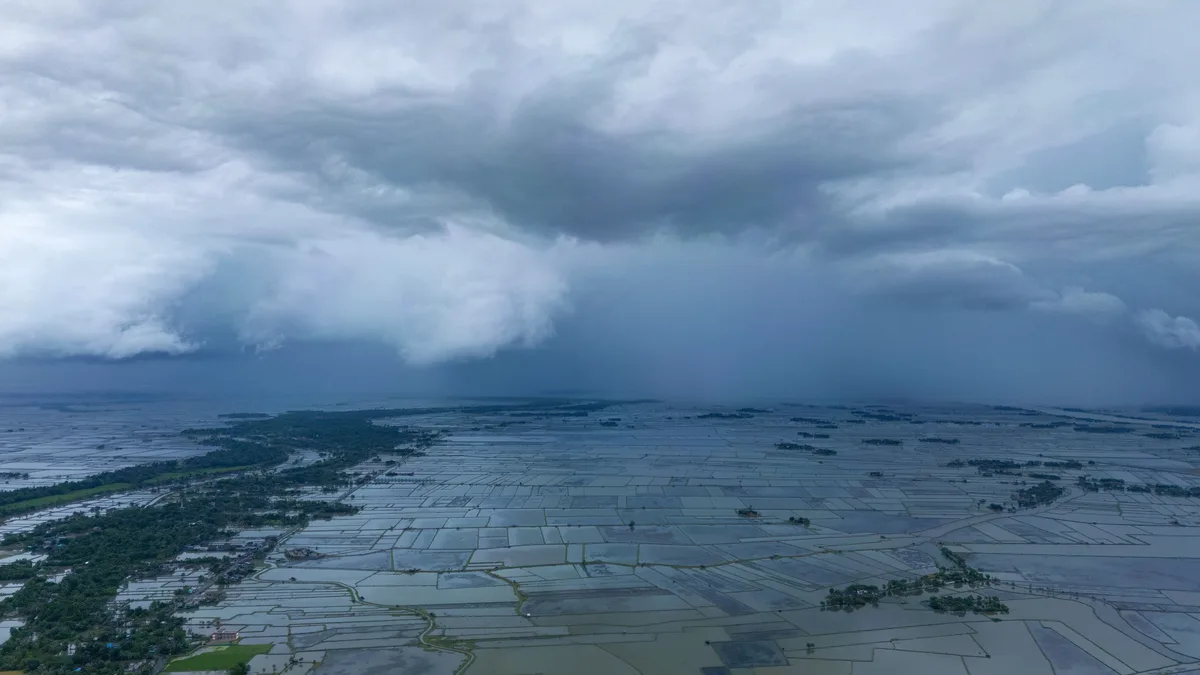
Extreme autumn rains relieve Southwest drought but expose water deficits
Back-to-back extreme rain events in late October and early November 2026 ended short-term drought in the Four Corners region but caused widespread...
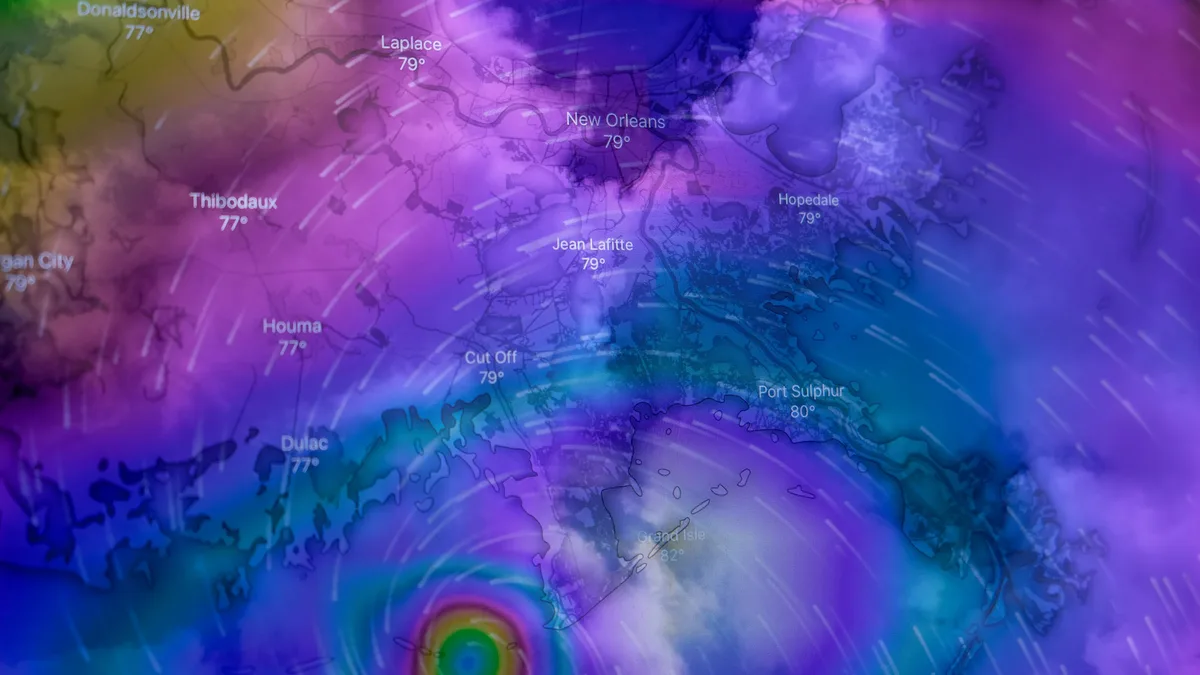
Super El Niño Builds Hurricane Shield for U.S. Coast
A powerful Super El Niño is creating an 'atmospheric hurricane shield' over the Atlantic, drastically reducing hurricane development and U.S.
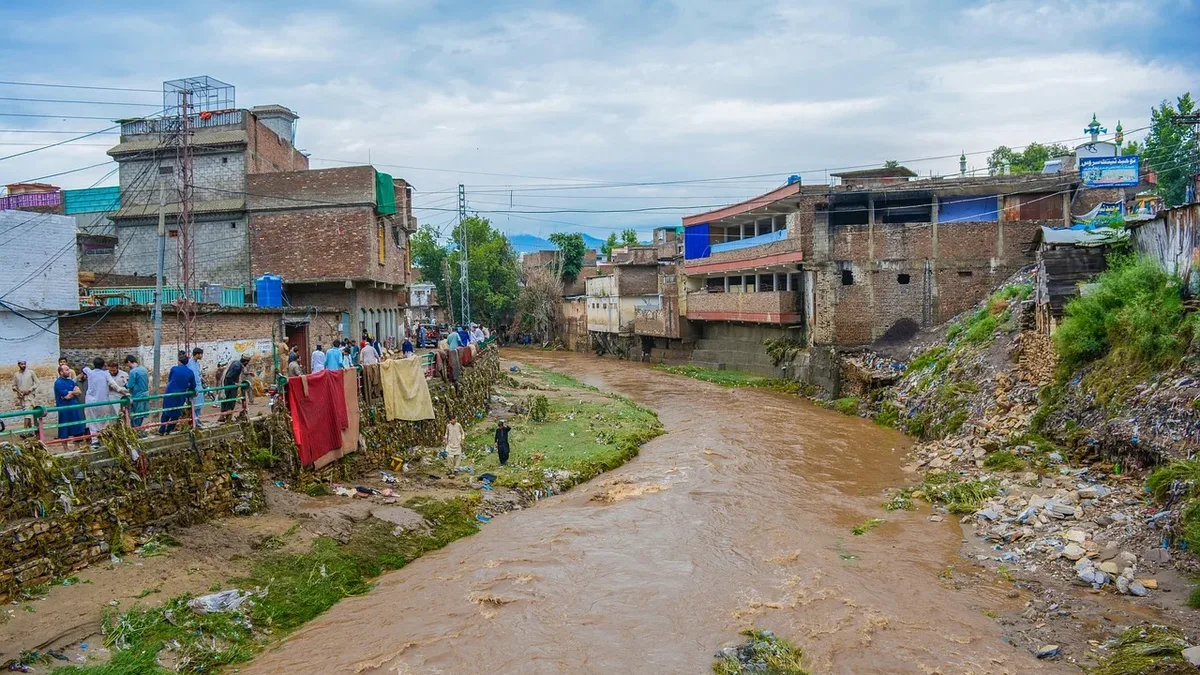
River City Finale Hints at Fiery End
The writer and cast of the long-running Scottish TV drama 'River City' discuss the pressure of crafting a satisfying final episode.

Pollution Threatens 300-Year-Old Coracle Fishing Tradition
Coracle fishers on the River Tywi in Wales say pollution has made it impossible to catch fish, threatening a 300-year-old tradition.
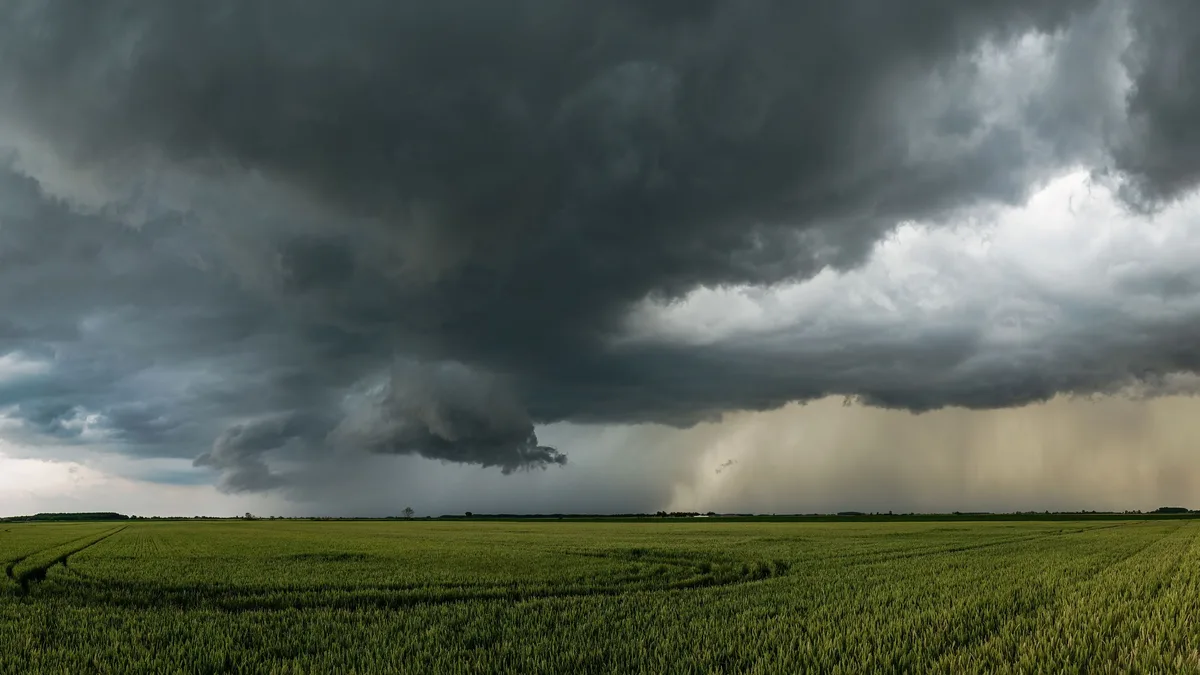
Romania Shuts Down Nuclear Plant Due to Low Danube River Levels
Romania's only nuclear power station has been shut down due to extremely low water levels in the Danube River caused by prolonged hot weather.