Atlantic Meridional Overturning Circulation
| Primary component | Global thermohaline circulation |
|---|---|
| Original use | Heat and salinity redistribution |
| Key driver | Temperature and salinity differences |
| Overturning sites | Nordic Seas, Southern Ocean |
| Major current | North Atlantic Deep Water (NADW) |
| Climate impact | Regional temperature moderation |
| Observed trend | Weakening since pre-industrial era |
Origin and history
The Atlantic Meridional Overturning Circulation is a natural component of the Earth's climate system originating in the Atlantic Ocean. Its existence is tied to fundamental physical processes driven by differences in water density, which are caused by variations in temperature and salinity. The system has operated in some form for millennia, integral to the planet's ocean circulation. Scientific understanding of the circulation developed significantly during the late 19th and 20th centuries as oceanography matured. Research into its past behavior uses paleoclimatic data from sources like ocean sediments and ice cores to reconstruct its strength over thousands of years.
What it is for
The AMOC functions as a primary mechanism for redistributing heat across the planet, particularly carrying warm water northward in the Atlantic. This northward heat transport moderates the climate of northwestern Europe, making it milder than other regions at similar latitudes. The circulation also facilitates the global exchange of dissolved gases, including oxygen and carbon dioxide, between the atmosphere and the deep ocean. It is crucial for transporting nutrients that support marine ecosystems throughout the Atlantic basin. Furthermore, the AMOC plays a significant role in the ocean's capacity to sequester atmospheric carbon, acting as a component of the global carbon sink. Its overturning processes help ventilate the deep ocean, maintaining oxygen levels at depth and influencing global biogeochemical cycles.
Pros and cons
The system's nutrient distribution supports rich fisheries and robust marine food webs in the North Atlantic. Conversely, a significant con is the system's potential vulnerability to climate change, specifically from freshwater input from melting ice, which can disrupt the density-driven sinking process. A major risk is that a severely weakened or collapsed AMOC would constitute an irreversible tipping point with profound global climate consequences. Those who depend on the current climate stability of northwestern Europe for agriculture, infrastructure, and energy use would regret such a shift due to rapid cooling and altered precipitation. A common mistake in public discourse is conflating short-term natural variability in the AMOC with long-term, anthropogenic weakening, leading to misinterpretation of individual cold weather events.
Who it suits
This climatic system suits a stable planetary environment where the balance of temperature and salinity in the North Atlantic remains within a narrow historical range. It benefits terrestrial and marine ecosystems adapted to the specific thermal and nutrient regimes the circulation maintains. Human societies in coastal northwestern Europe are particularly suited to the conditions supported by a vigorous AMOC, having developed agricultural and settlement patterns around its climatic influence. The system suits the broader Earth's climate equilibrium, as it is a key component of global heat and carbon redistribution. It does not suit a climate state with rapid, high-volume freshwater influx into the North Atlantic, as this can destabilize the core density gradients that drive the overturning. Ultimately, the AMOC suits a climate system not subjected to the rapid anthropogenic forcing currently observed, which pushes the circulation outside its historical operational parameters.
Latest Atlantic Meridional Overturning Circulation news
Latest reporting
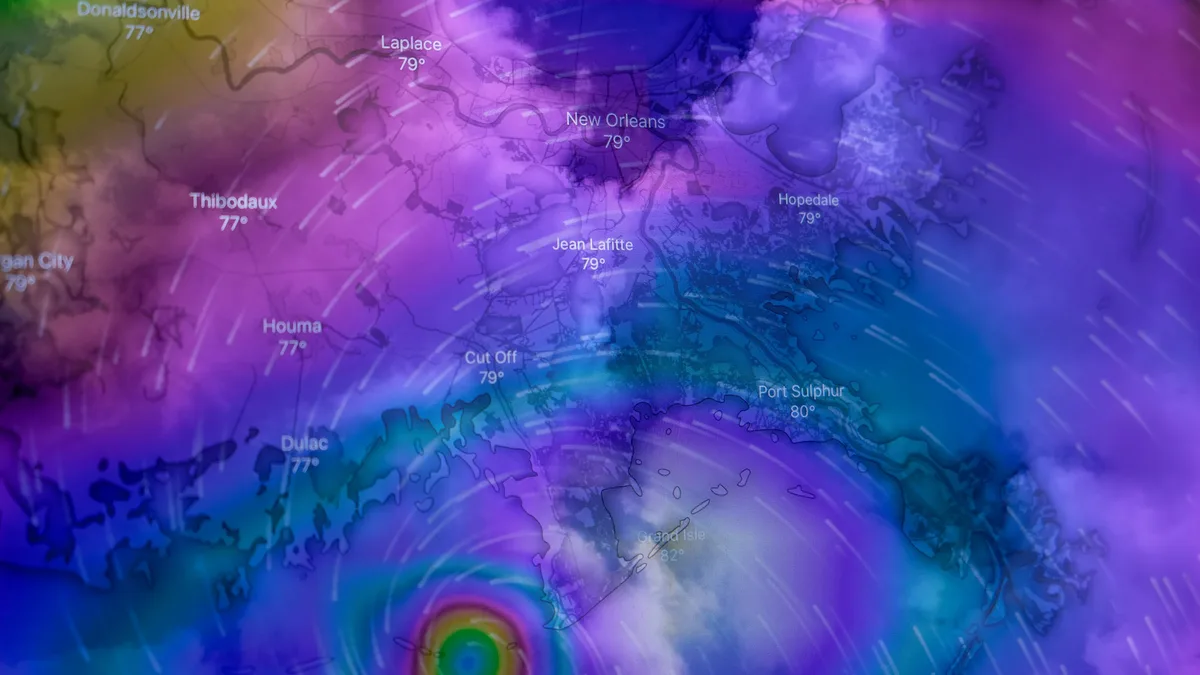
Subtropical Storm Josephine Forms as 10th Atlantic System
Subtropical Storm Josephine has become the 10th named storm of the 2026 Atlantic season, with 65 mph winds. It is forecast to intensify to hurricane...
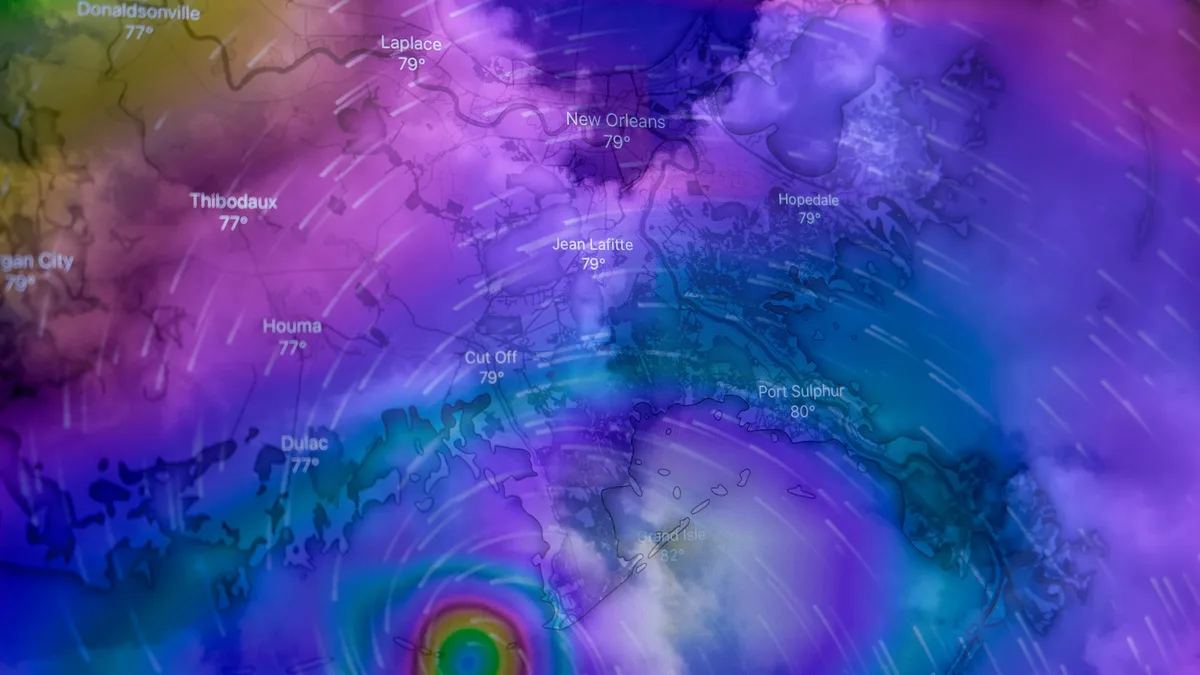
Tropical Storm Isaias to become first hurricane of 2026
Tropical Storm Isaias is forecast to become the Atlantic's first hurricane of 2026, threatening Gulf Coast landfall as a Category 1 or 2 storm by...

Atlantic hurricane season on track to be first without a hurricane
The 2026 Atlantic hurricane season is on track to be the first in the satellite era without a single hurricane.
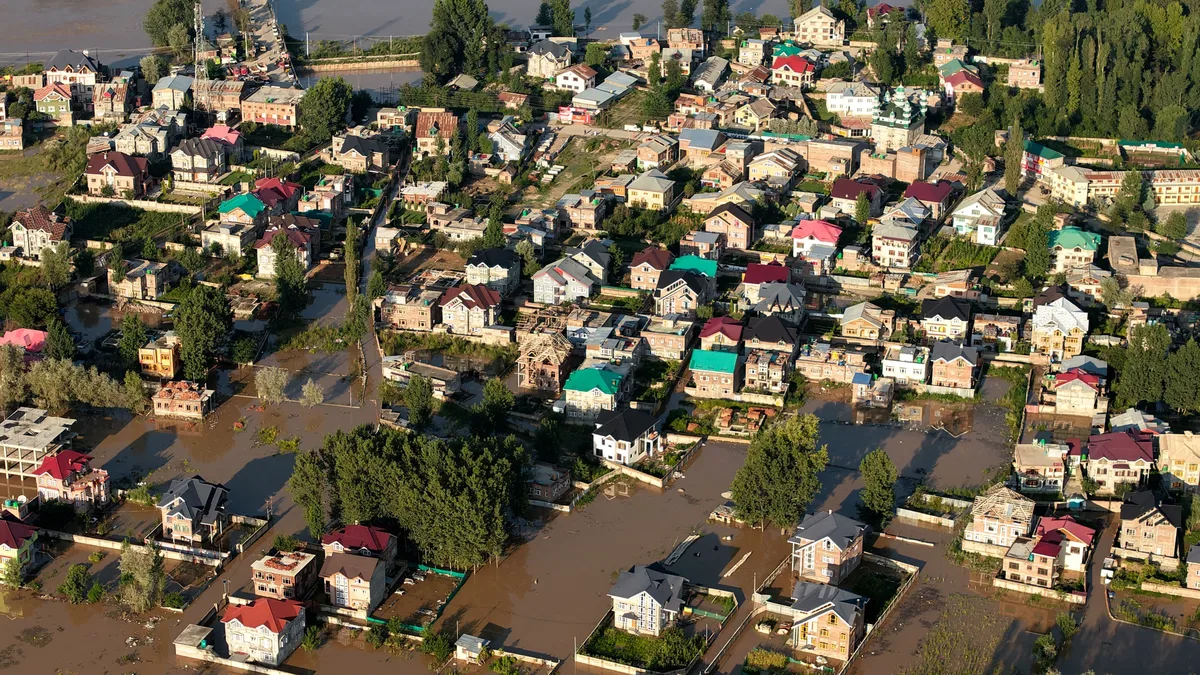
September 2026 Nor'easter Triggers Coastal Flood and Wind Warnings
A long-duration nor'easter is bringing high winds, heavy rain, and significant coastal flooding to the Northeast and Mid-Atlantic.
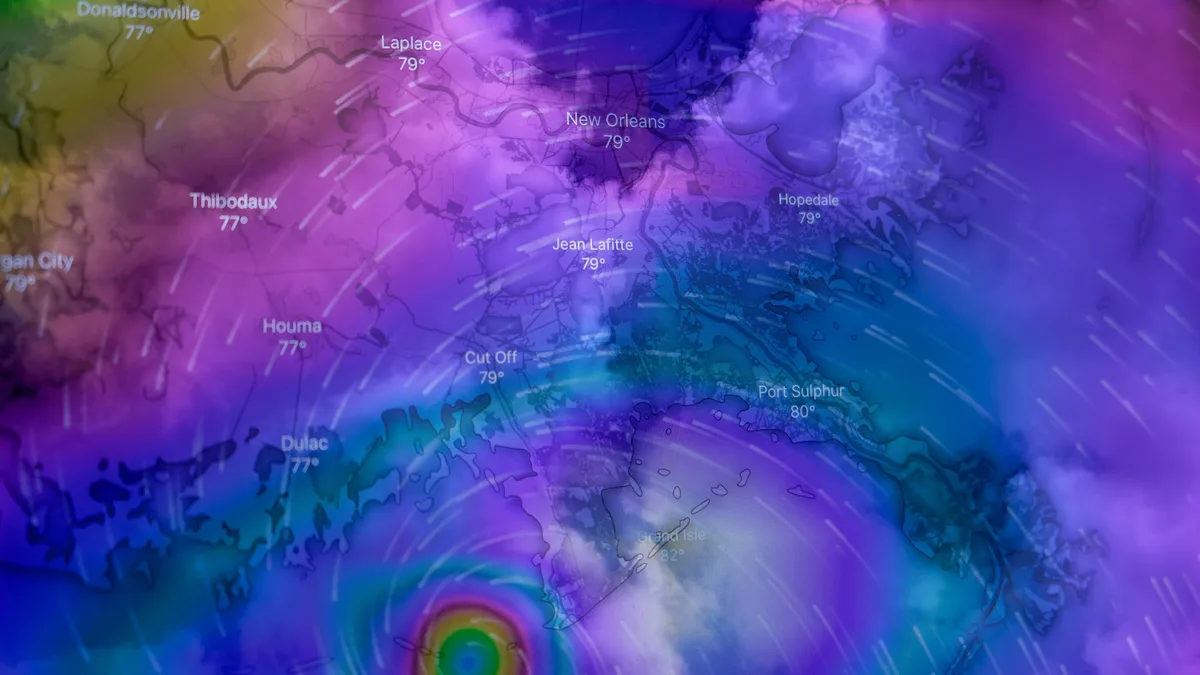
Atlantic Hurricane Season Sets Record for Latest First Storm
Tropical Storm Fay formed near the Azores on September 20, 2026, but the Atlantic basin remains without a hurricane.
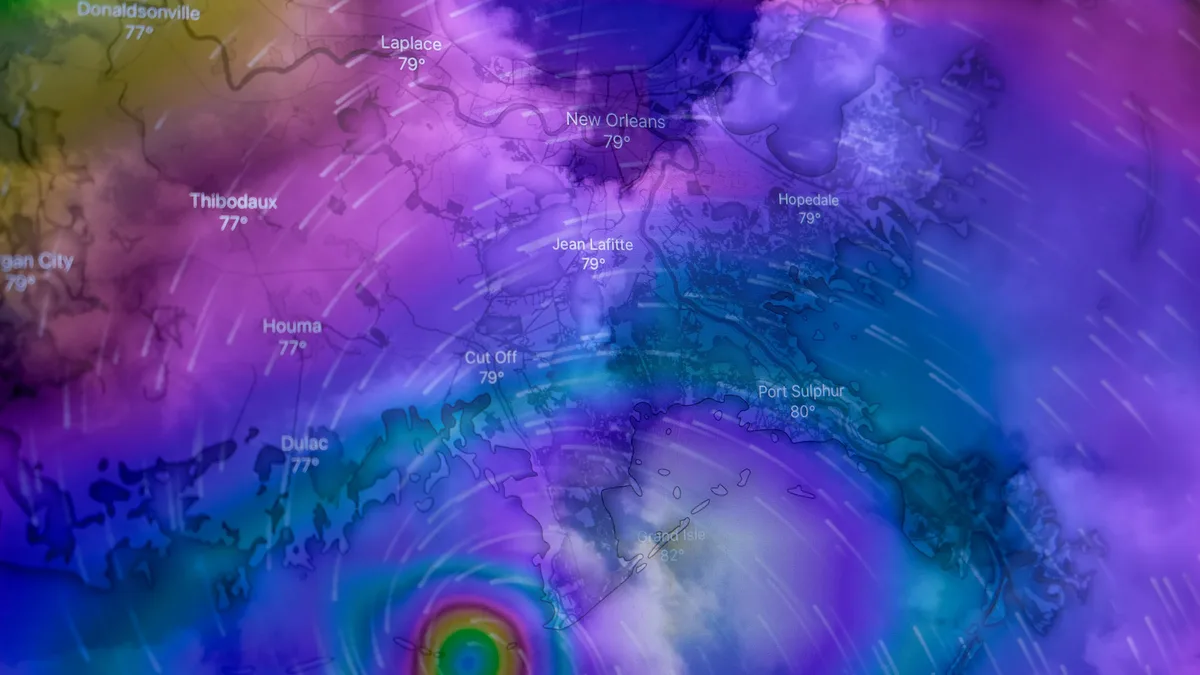
Climate Change Raises Hurricane Risks in Multiple Ways
A new analysis outlines ten potential ways climate change could worsen Atlantic hurricane impacts, from stronger winds and heavier rain to longer...