Tropical Storm Isaias to become first hurricane of 2026
Tropical Storm Isaias is forecast to become the Atlantic's first hurricane of 2026, threatening Gulf Coast landfall as a Category 1 or 2 storm by late Friday with flooding rains and dangerous surge.
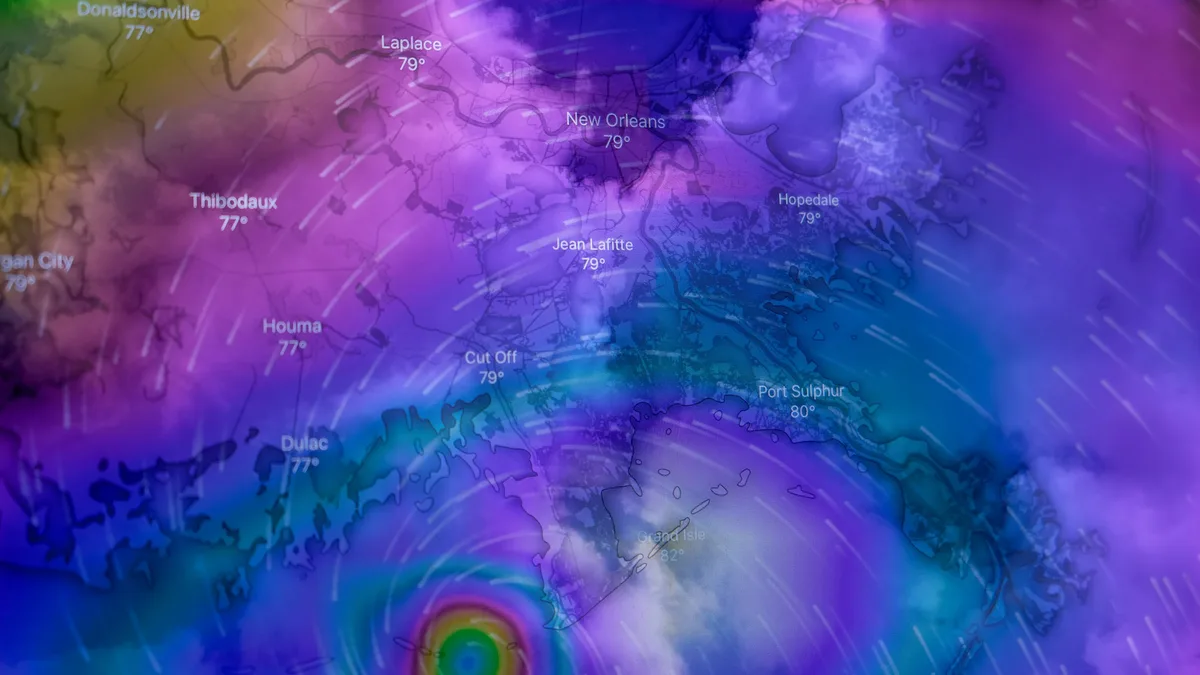
Tropical Storm Isaias is poised to become the first Atlantic hurricane of the 2026 season. The storm formed in the southern Gulf of Mexico near the Bay of Campeche and is expected to reach hurricane strength by Thursday morning.
This would break the record for the latest first hurricane in Atlantic history. The previous record was set by Hurricane Gustav on September 11, 2002. The ninth tropical storm of a record-quiet season, Isaias marks a significant shift. A strong El Niño in the Pacific Ocean has suppressed hurricane development by increasing wind shear over the Atlantic. Isaias found a temporary window of low shear and very high sea temperatures to organize.
The US National Hurricane Center said, "Tropical Storm Isaias is likely to reach hurricane strength by the start of Thursday. It will intensify further, reaching category 2 by Friday morning." Forecasters expect the storm to encounter more wind shear as it moves northward, which should weaken it before it reaches the coast.
Landfall threats and coastal impacts
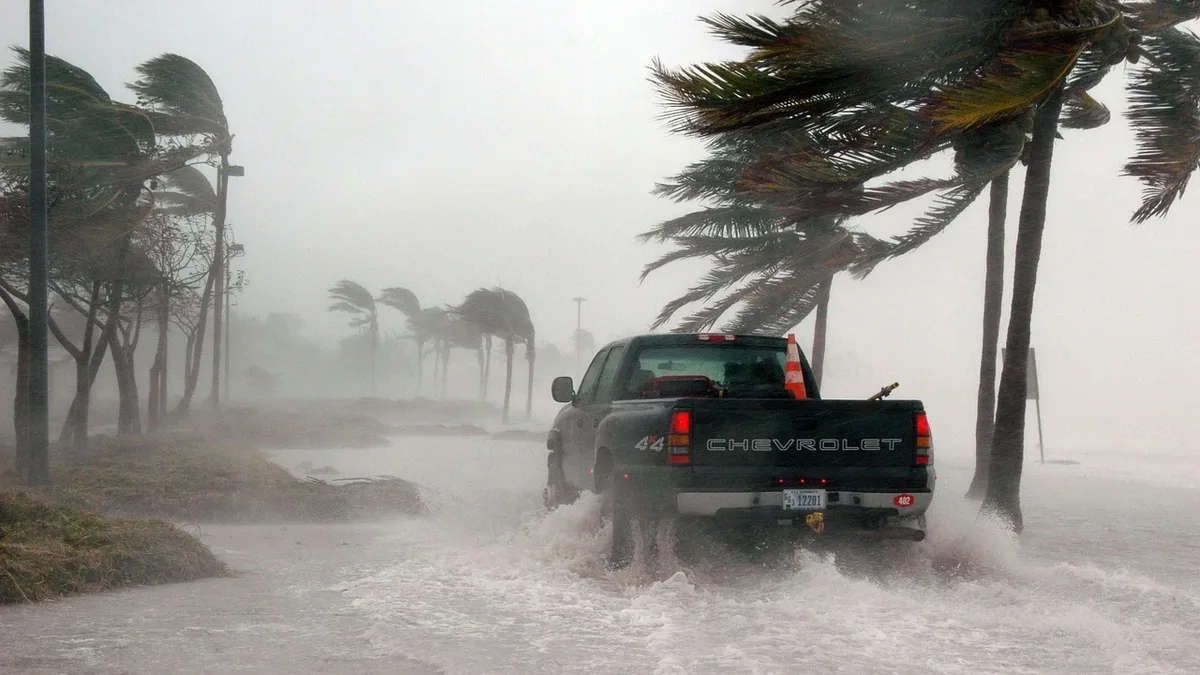
Isaias is forecast to make landfall along the U.S. Gulf Coast by late Friday night as a Category 1 or 2 hurricane. Possible landfall locations include Louisiana, Mississippi, Alabama, or the Florida panhandle. Damaging winds and storm surge will be the primary threats near the point of landfall. Storm surge could inundate low-lying coastal areas.
Hurricane and Storm Surge Watches are in effect. Florida Governor Ron DeSantis declared a state of emergency across 25 counties. "I have declared a state of emergency across 25 counties over concerns about potential impacts," DeSantis said. The system will also cause rip currents, coastal flooding, and gusty winds along the Texas coast, where small craft advisories are posted. There is a more widespread risk of coastal erosion, flooding rains, and tornadoes.
Rainfall and inland flooding risks
The storm will unleash heavy rainfall across a wide area. Forecast models show divergent possible rainfall totals for different regions.
| Region | Potential Rainfall |
|---|---|
| Bay of Campeche and Yucatan Peninsula | Up to 4 inches (100 mm) |
| Gulf Coast from SE Louisiana to NW Florida | 3 to 6 inches (75-150 mm) |
| Localized areas | Up to 10 inches (250 mm) |
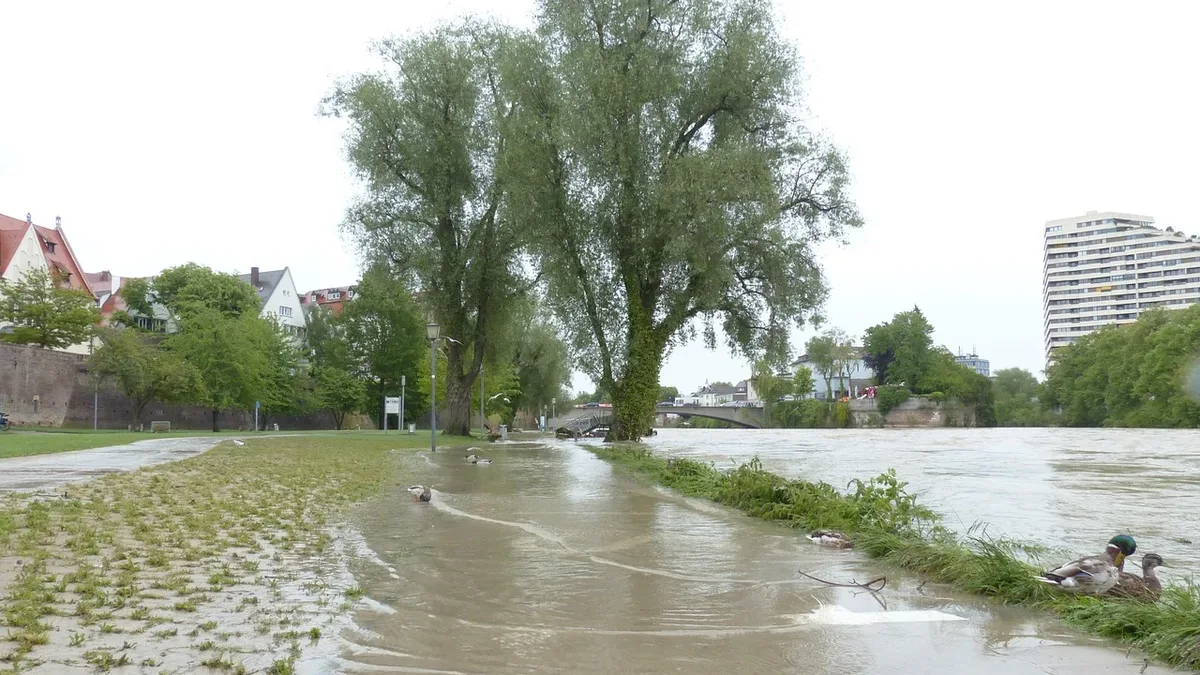
Flash flooding is a concern, especially in urban areas. Flood-prone areas, particularly those on southward-facing slopes, should be on alert. The heavy rain threat will persist into the weekend for much of the southeastern U.S. This is not a repeat of the scenario that led to Hurricane Helene’s devastating flooding. In the Carolinas, heavier rainfall in the mountains could reach 2 to 4 inches, posing a localized flood threat.
Forecast uncertainty and track
The specific location of landfall remains uncertain. Traditional forecast models favor a more westerly track toward Mississippi and Louisiana. AI-based forecast models predict a more easterly path into the Florida panhandle. The National Hurricane Center’s official forecast path splits the difference between those scenarios. Its cone of uncertainty includes both possibilities.
Even the easternmost track forecasts keep the primary impact of Isaias well to the west of the Carolinas. However, the flow of air around the storm will send tropical moisture into the region. Forecast data indicates rain will move into the Carolinas from the south late Saturday, continuing much of the day on Sunday. Around one inch of rain around Charlotte would be very beneficial from a drought perspective.
After landfall, Isaias will weaken as it moves farther inland. It could still bring disruptive wet weather to the southeastern United States as far north as the Tennessee Valley and the Carolinas.