Tropical Storm Rachel damages California coast, triggers evacuations
Remnants of Tropical Storm Rachel caused significant coastal damage in Southern California, with unsafe homes in Long Beach and a local emergency in Newport Beach, as El Niño raises threats for a severe winter.
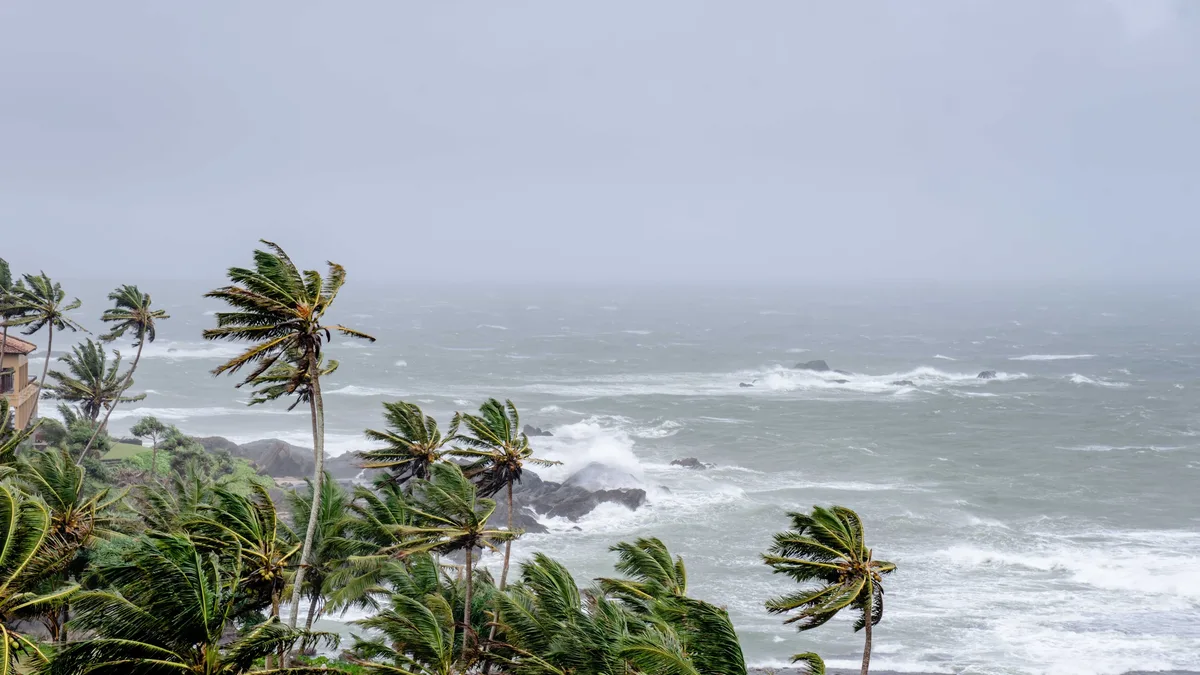
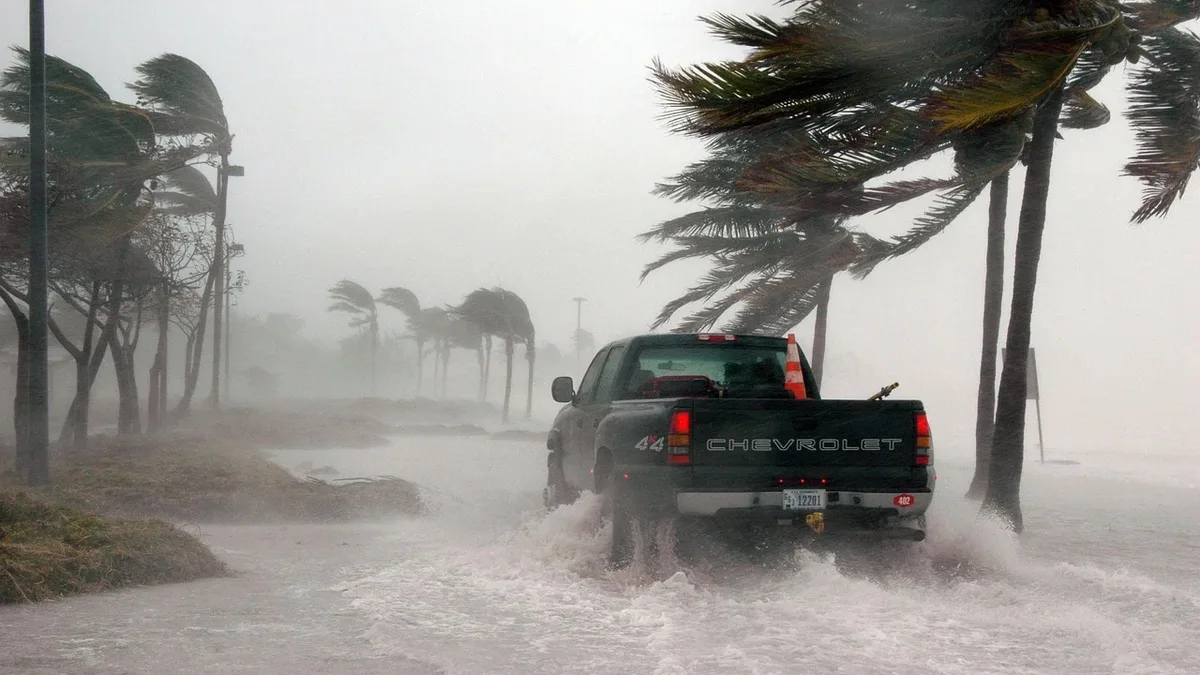
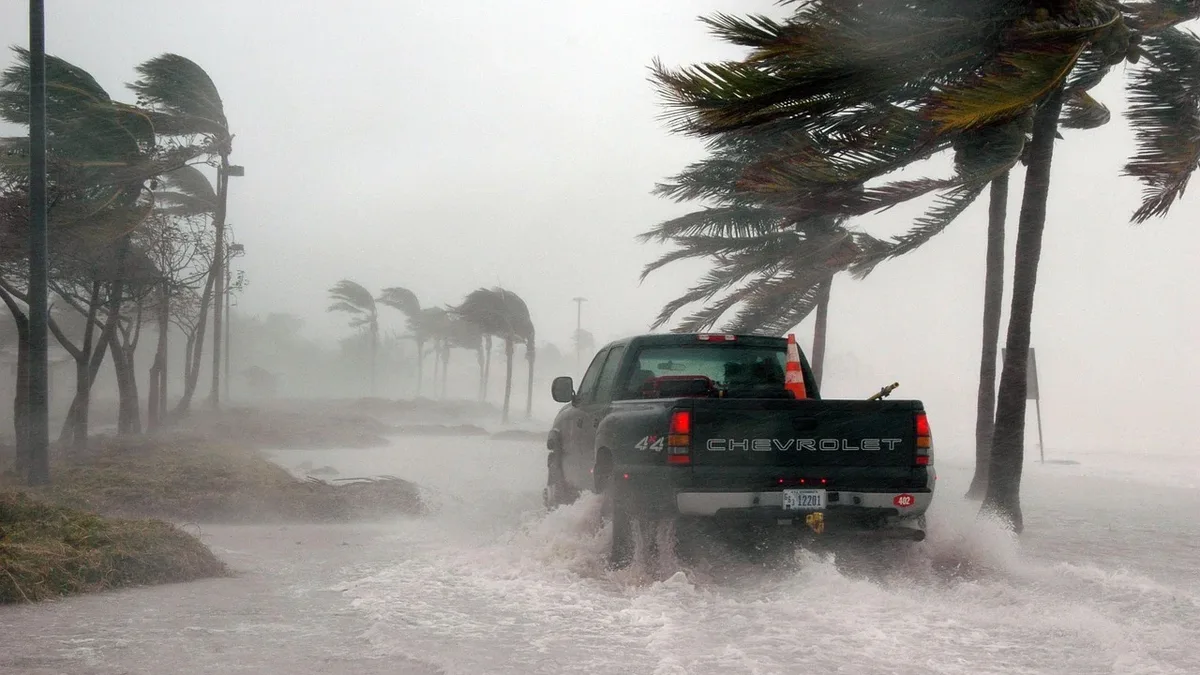
Tropical Storm Rachel brought destructive surf and flooding to Southern California over the weekend, prompting mandatory evacuations and leaving multiple oceanfront homes unsafe. The post-tropical cyclone moved into Baja California as the region braced for more rain and coastal flooding on Sunday.
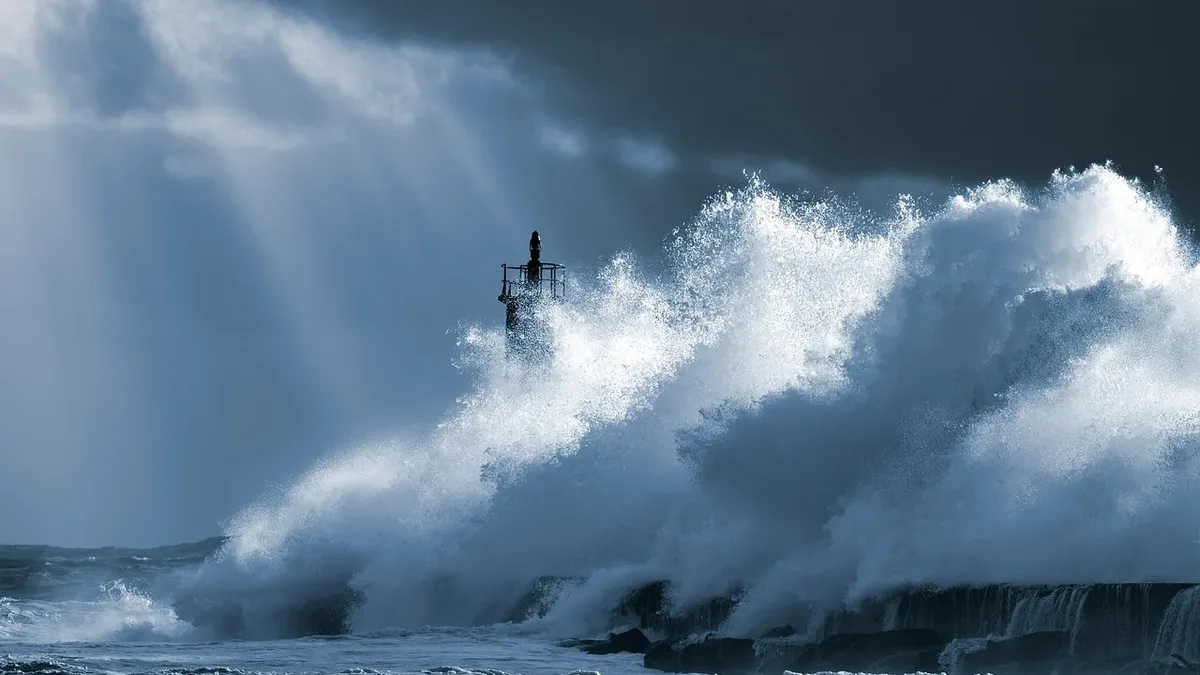
A mandatory evacuation order was issued on Friday for a few homes on Seaside Walk on the Long Beach Peninsula. This expanded on Saturday to an evacuation warning for homes on 64th, 65th, and 66th places south of Ocean Boulevard, and for several blocks of Seaside Walk. Footage showed massive waves crashing into homes, destroying sections of the historic boardwalk and forcing residents to flee. Damage was significant, with some structures at risk of collapse.
At least nine homes in Long Beach were deemed unsafe to enter. Officials red-tagged eight buildings, representing 13 residential addresses, prohibiting all entry. One additional building received a yellow tag, allowing only limited access to retrieve belongings. Displaced residents cannot return to retrieve personal items from the unsafe homes. One of the red-tagged homes was purchased for roughly $5 million just two months ago. Newport Beach also declared a local emergency, citing 'higher-than-normal surf' that inundated streets, and briefly closed its piers to protect public safety. By Monday, cleanup was underway and the piers had reopened, though officials advised continued caution near the water.
Emergency response and recovery underway
Officials declared local emergencies and began cleanup and sand replenishment efforts while outlining long-term coastal protection plans. The City of Long Beach declared a local emergency following Governor Gavin Newsom’s earlier statewide declaration. The storm cost the city more than $1 million from its emergency reserves. Crews began moving truckloads and dumping thousands of cubic yards of sand onto the Peninsula on October 10. An accelerated $11.4 million Alamitos Bay dredging project will deliver an additional 415,000 cubic yards of beach-ready sand.
Long Beach is launching emergency repairs and a multistep coastal-protection plan. Officials outlined a seven-point plan focused on repairing damaged infrastructure, restoring lost sand, strengthening the shoreline, and advancing long-term coastal resilience. Coastal erosion has already swallowed beaches and forced long-term closures along stretches of Pacific Coast Highway.
Las Vegas breaks rainfall record amid regional deluge
The storm system delivered extreme precipitation across the Southwest. Las Vegas tied its all-time daily rainfall record for October, receiving 1.08 inches of rain into Sunday morning, according to the US National Weather Service.
El Niño amplifies future threats to California coast
The impacts serve as a warning of intensifying El Niño-driven hazards this winter. A historic El Niño, characterized by warmer-than-average equatorial sea surface temperatures, is unfolding in the Pacific and is expected to strengthen. It has the potential to boost extreme weather. In Southern California, El Niños typically carry higher risks of severe storms, raised sea levels, and increased threats of landslides and flash floods, especially around recent burn scars from events like the 2025 Los Angeles firestorm.
Forecasters warn the effects could become exceptionally destructive. The last five hurricanes in the Pacific all reached major status, with one setting a record for time spent at Category 5. Colorado State University researcher Phil Klotzbach said, "This year, just everything that forms is just lasting a long time and getting really powerful." Climate scientist Daniel Swain stated that the tilt toward wet and stormy conditions "will be profoundly unsubtle."
Throughout the winter months, El Niño could add an additional foot of sea level rise in California, on top of the 8 to 12 inches caused by climate change over the last century. El Niño has already raised sea levels along the coast, and California is bracing for unusually high king tides during the Thanksgiving and Christmas holidays. When heavy rains and high surf align, they can cause even more calamity. Swain anticipates multiple significant coastal flood events between November 2026 and January 2027 that are worse and more widespread than current events. A powerful El Niño has an 83% chance of becoming the strongest on record. Officials are advancing a seven-point plan to repair infrastructure, restore sand, strengthen the shoreline, and build long-term coastal resilience in Long Beach.