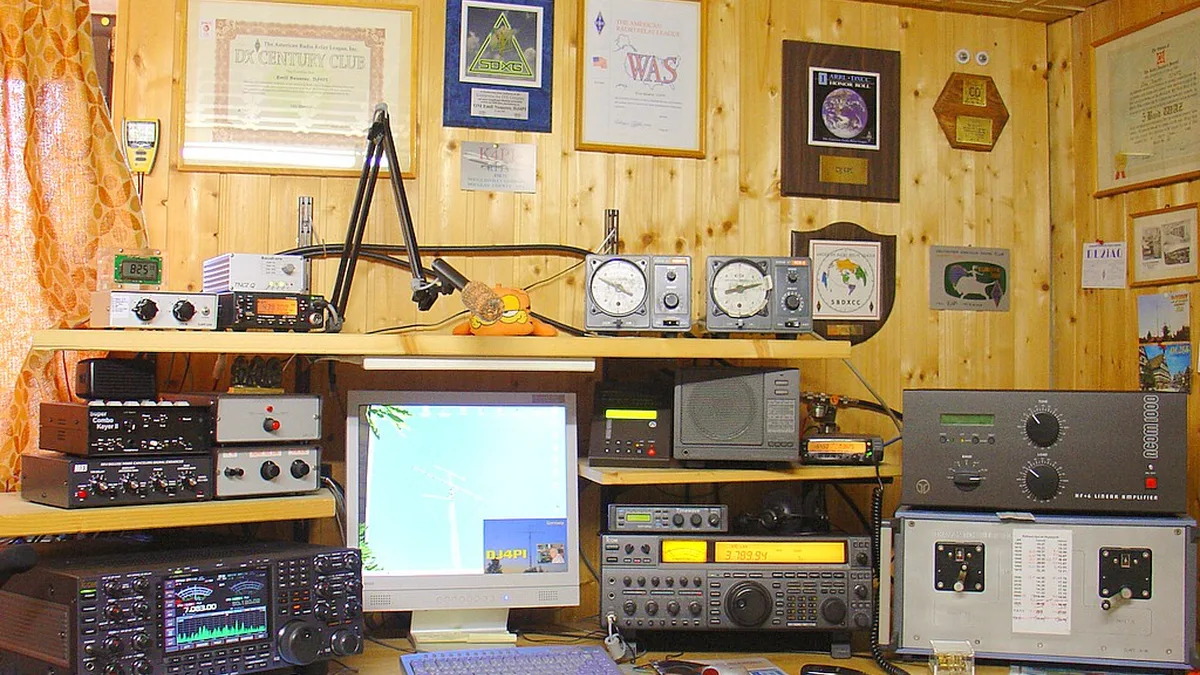
Amateur Station Networks And Their Limits
| Type | Weather warning system |
|---|---|
| Recall | Issued for amateur station networks |
| Purpose | To alert of conditions that degrade or disrupt amateur radio communications |
| Trigger | Specific atmospheric or solar conditions |
| Issued by | National meteorological or space weather agencies |
| Duration | Typically hours to a few days |
| Affected bands | High Frequency (HF) bands primarily |
Origin and history
Amateur station networks originated in the United States and several other industrialized nations in the mid-to-late 20th century. Their development is directly tied to the proliferation of personal computing and affordable electronic sensor kits among hobbyists and weather enthusiasts. The concept evolved from isolated individual weather stations reporting to local clubs or via ham radio to more organized, internet-based data collection systems. The foundational architecture for sharing this data online was established in the 1990s and early 2000s with the advent of the World Wide Web. These networks grew organically from grassroots communities rather than being designed by governmental meteorological agencies. Their history reflects a broader trend of citizen science and distributed data gathering enabled by new technology.
What it is for
Amateur station networks are primarily for aggregating and disseminating real-time, hyper-local weather observations from privately owned instruments. Their core function is to fill spatial gaps between official weather stations operated by national meteorological services. They provide a valuable source of ground-truth data for weather enthusiasts, researchers, and sometimes for calibrating radar or satellite estimates. The data is used to observe highly localized phenomena, such as microclimates, sharp rainfall gradients, or small-scale wind patterns, that larger networks might miss. These networks serve an educational purpose, allowing participants to learn about meteorology and instrument calibration. They also create communities where individuals can share and discuss their observations.
Overview
An amateur station network is a decentralized system where volunteers operate their own weather stations, typically in their backyards or on rooftops. Each station measures parameters like temperature, humidity, barometric pressure, rainfall, and wind speed and direction. The data from these individual stations is automatically transmitted via the internet to a central server or website that collects and displays it. The resulting network forms a dense but uneven mesh of data points, with coverage heavily dependent on population density and participant enthusiasm. The quality and standardization of data can vary significantly from one station to the next based on equipment, siting, and maintenance practices. These networks exist as independent community projects, commercial platforms that host user data, or sometimes as cooperative ventures with academic institutions.
What to know
The most critical thing to know is that data from amateur networks is not controlled or quality-assured to the same standard as official meteorological observations. Station siting is a common issue, with many sensors placed too close to buildings, paved surfaces, or heat sources, which can bias temperature readings. Instrument calibration can drift over time, and maintenance schedules are voluntary and inconsistent, leading to potential data errors or gaps. The density of stations is highly variable, often excellent in suburban areas but sparse or nonexistent in rural or remote regions. Participation usually requires a personal financial investment in equipment and a commitment to ongoing maintenance and internet connectivity. The networks are excellent for situational awareness and spotting trends but should not be used for precise, legally or scientifically rigorous measurements without careful vetting.
Common questions
A common question is whether data from these networks is reliable enough for personal safety decisions during severe weather. Another frequent inquiry concerns the cost and technical skill required to set up a station and contribute data. People often ask how the data from these networks differs from what they see on national weather service websites or commercial weather apps. Many wonder about the privacy implications of sharing their location and weather data publicly on these networks. A typical question involves troubleshooting why one station's readings seem significantly different from its neighbors. Users also commonly seek guidance on the best type of equipment to purchase or the optimal placement for their sensors to improve data quality.
Pros and cons
They engage the public in science and foster a knowledgeable community of weather observers. However, a significant con is the inherent inconsistency in data quality; erroneous readings from poorly sited or malfunctioning stations can mislead users who are not critically evaluating the data. Another common problem is data dropouts, where stations go offline during critical events due to power outages, internet failures, or lack of maintenance, precisely when the data is most needed. Users often regret choosing the cheapest available equipment, which tends to be less accurate and less durable, leading to frustration and unreliable data. A frequent mistake is treating the colorful, dense map of observations as having uniform accuracy, when in reality it is a patchwork of varying reliability.
Who it suits
Amateur station networks suit weather hobbyists and technology enthusiasts who enjoy the process of installing, maintaining, and fine-tuning their own instrumentation. They are ideal for educators and students seeking hands-on projects in environmental science and data literacy. These networks suit researchers or professionals who need hyper-local data for non-critical applications and who possess the expertise to filter and quality-control the raw inputs. They are not well-suited for individuals seeking perfectly reliable, ready-to-use data for mission-critical safety or legal purposes. The networks also suit community groups interested in monitoring local environmental conditions, provided they understand the data's limitations. They do not suit individuals unwilling to invest time in learning proper siting techniques and basic meteorological principles.
Latest Amateur Station Networks And Their Limits news
Latest reporting
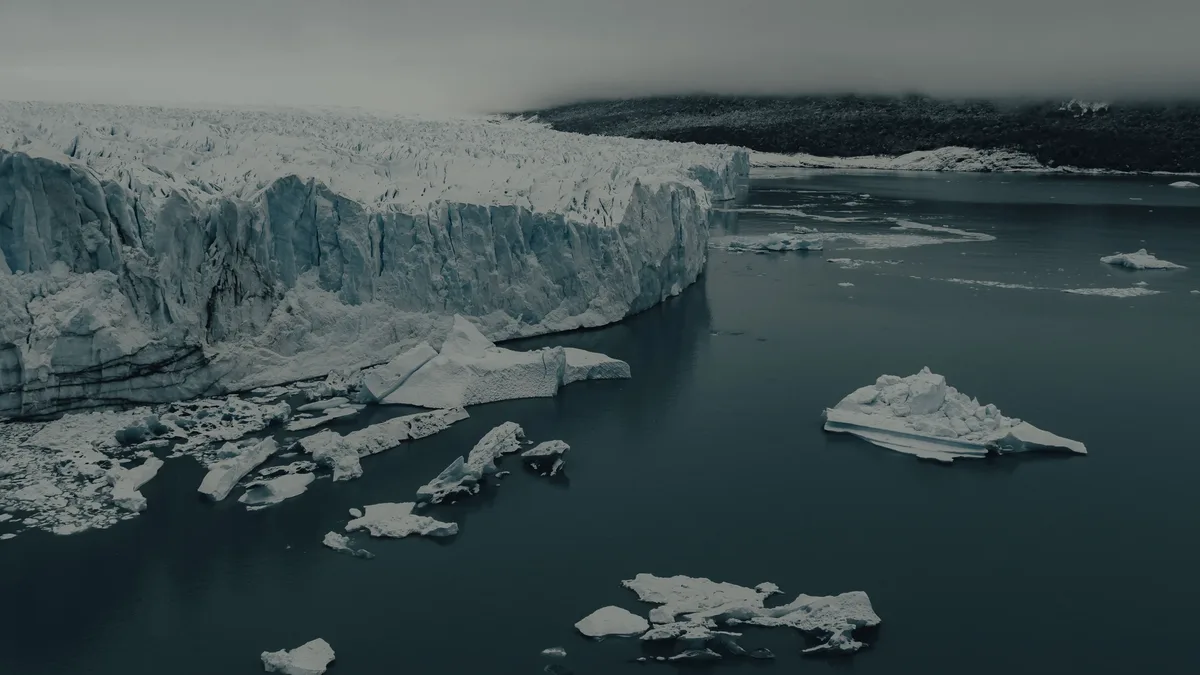
Swiss glaciers lost 5.5% of ice in 2026
Swiss glaciers suffered their worst annual ice loss on record in 2026, with over 5% of remaining ice vanishing.

Celtic, Rangers face closed-door Scottish
Celtic and Rangers have been ordered to play their next Scottish Cup home games behind closed doors and pay £100,000 each due to fan disorder at last
Harry and Meghan's Surprise Return to the UK
The Duke and Duchess of Sussex are moving back to the UK, driven by a desire to spend time with Harry's family and educate their children in the UK
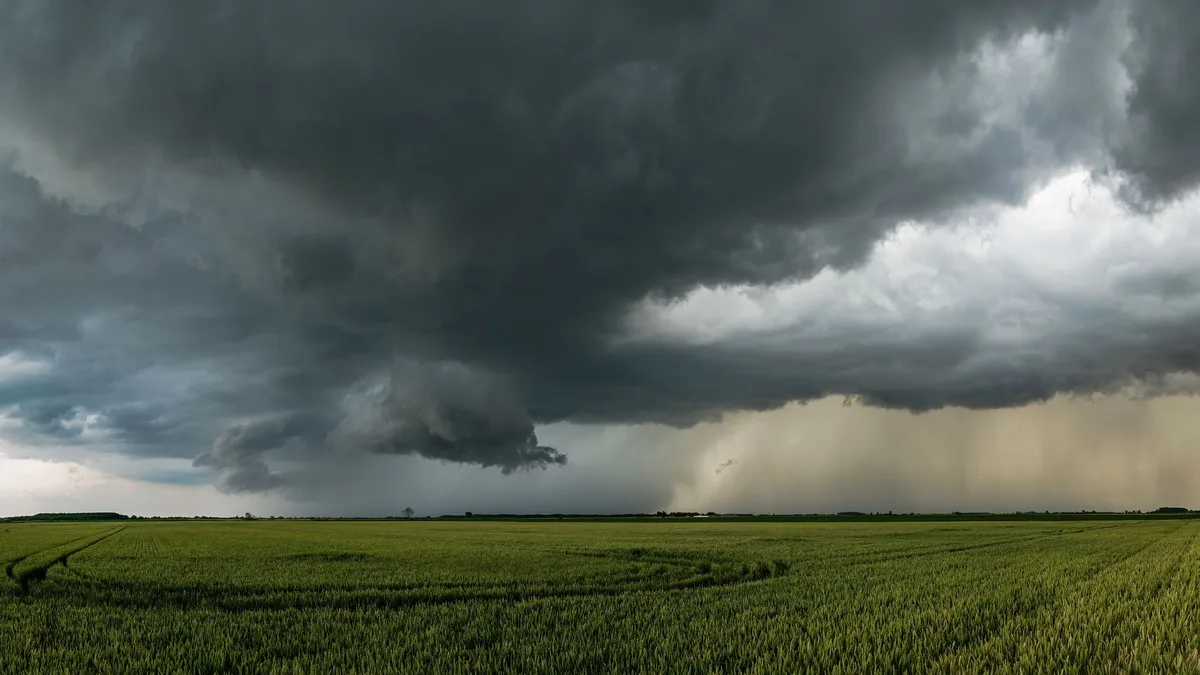
Romania Shuts Down Nuclear Plant Due to Low Danube River Levels
Romania's only nuclear power station has been shut down due to extremely low water levels in the Danube River caused by prolonged hot weather

Drought Conditions Worsen Across England and Wales, Triggering Hosepipe Bans
England and Wales are experiencing their driest July on record, leading to drought declarations and hosepipe bans affecting nearly 30 million people.
Children at Higher Risk in Heatwaves: How to Protect Them
Children, especially those under five, are more vulnerable to heatwaves due to underdeveloped thermoregulation. Their core temperatures rise faster...