Swiss glaciers lost 5.5% of ice in 2026
Swiss glaciers suffered their worst annual ice loss on record in 2026, with over 5% of remaining ice vanishing.
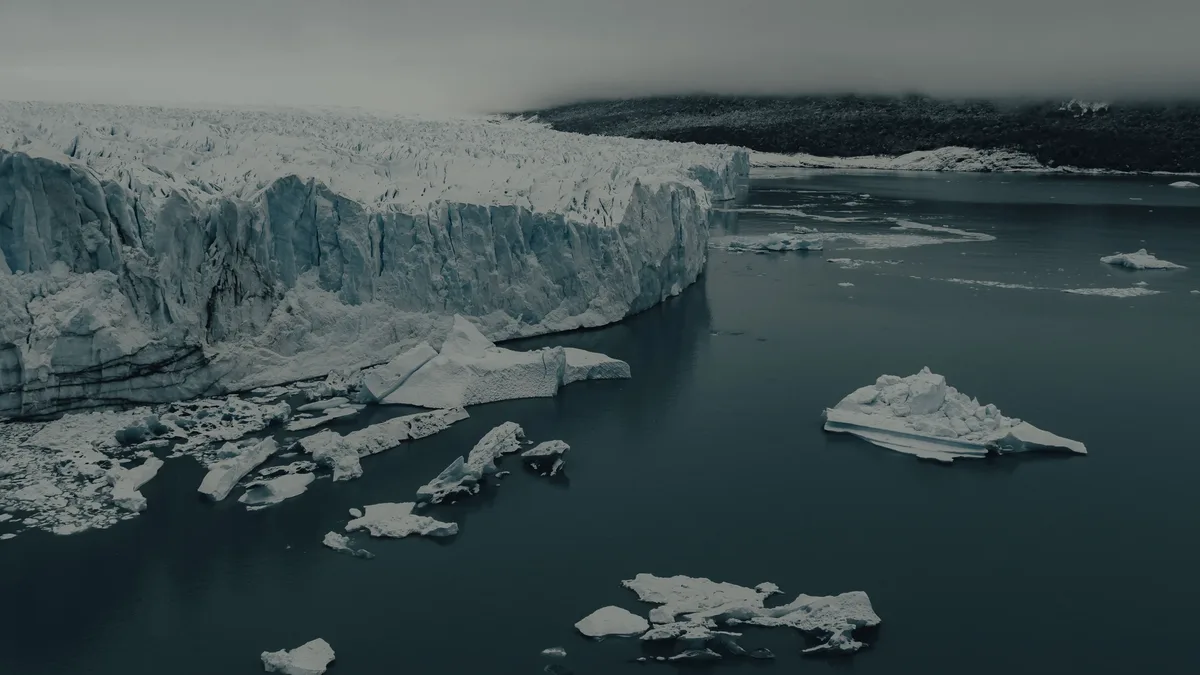
Swiss glaciers lost an estimated 5.5% of their ice in 2026, the highest annual loss since records began. More than 5% of the country's remaining glacier ice disappeared in just twelve months. This rate far exceeds the previous threshold of 2% per year, which glaciologists had considered extreme. The 2026 loss is slightly lower than the 2022 record of 6% loss. Intense heatwaves in May and June caused rapid snowmelt, exposing darker ice that absorbed more solar energy. Scientists now state the climate is too warm for many Alpine glaciers to survive. In some areas, glaciers are completely gone, leaving behind a dry, dead landscape described as a moon surface. Alpine plants are now seeding themselves where meters-thick ice once stood. Individual glaciers, including Switzerland's largest like the Rhône and Aletsch, suffered record ice loss. Some glaciers, such as the Plattalva in eastern Switzerland, have already disappeared. Dr Matthias Huss, director of Glacier Monitoring Switzerland, called the 2026 ice loss 'disastrous'.
Immediate water and transport impacts
Glaciers released 2.2 trillion litres of meltwater between July and September 2026. This water helped ease summer shortages but rapidly depleted the frozen reserves. The river water that summer came from glaciers melting, not from seasonal snowmelt. River levels sank dramatically. The River Rhine reached record lows, bringing freight transport to a standstill. Nuclear power stations cooled by river water had to be temporarily shut down. Scientists warn that this rapid melting threatens future water supplies for farming, hydropower, and transport. In the last fifty years, 1,200 smaller glaciers have vanished. Glaciers are often called Europe's water towers. They store winter snow and release it gently as meltwater over spring and summer, filling key waterways like the Rhine and Danube. This process is key to Europe's food supply.
Landslide and community risks
Accelerated glacier retreat is destabilizing mountain slopes. Glaciers and alpine permafrost act as a glue that holds mountains together. Without this glue, the risk of landslides and flooding increases. Last year, the Swiss village of Blatten was wiped out when a fragile glacier crashed down, bringing the side of the mountain with it. The event destroyed 300 homes. The instability was being monitored, and Blatten's population was evacuated before the landslide. One year later, the residents are still living in temporary accommodation. They do not know if they will ever return to homes buried under an estimated 9 million cubic meters of ice, rock, and mud. This summer, on Nepal's border with Tibet, the collapse of a glacier triggered devastating floods that killed at least 1,400 people. Matthias Huss is cautious about making a direct link between climate change and such specific disasters. He states mountain environments have always been risky. Huss explains it is more complicated than just saying warmth causes glaciers to disappear and mountains to fall apart. He adds that climate change can be a catalyst. Combined with heat, ice disappearance, and permafrost warming, it can be a triggering factor.
Scientists documented four metres of ice loss at the highest glacier points in 2026. Glaciers at 3,500 metres elevation showed no snow remaining at the end of that long, hot summer. Dr Matthias Huss, who leads the GLAMOS monitoring network, has little patience with those who claim climate change does not exist. He argues glacier changes should be a warning sign. Huss states, 'Look at them, it's not a hoax.' The evidence has been clear for decades. Without action, Europe's alpine landscape could look very different soon. If the planet keeps warming at its current rate, all glaciers could be gone by the end of this century.