
London South East
Origin and history
The London South East weather warning region is a defined geographical area used by the United Kingdom's national meteorological service, the Met Office. It was established as part of a major reform of the UK's public weather warning system in the early 21st century, specifically in the 2010s. This reform replaced broader, less precise warning areas with a more granular set of regions to improve the specificity and relevance of alerts for the public. The creation of the London South East region was a direct response to the need for more targeted warnings for the densely populated and economically critical area to the south-east of central London. Its boundaries were drawn based on meteorological considerations, such as common weather exposure, and practical factors like population centers and transport networks. The region's formalization represents a modern shift in weather communication, prioritizing localized risk over general national forecasts.
What it is for
This regional designation exists to provide precise geographical context for official weather warnings issued by the Met Office. Its primary function is to delineate where severe weather impacts are expected, allowing emergency responders, local authorities, transport operators, and the public to prepare for specific hazards. Warnings triggered for London South East cover a range of severe weather types, including heavy rain, high winds, snow and ice, fog, and extreme heat. The system uses a color-coded scale, yellow, amber, red, to communicate the level of severity and likelihood of the impacts within the region's boundaries. By focusing on this defined area, the system avoids the unnecessary alarm of issuing blanket warnings for the entire south-east of England when conditions are only hazardous in a particular part. The ultimate goal is to enable informed decision-making to protect life, property, and infrastructure from weather-related disruption.
Pros and cons
A key advantage of the London South East warning region is its improved spatial accuracy over previous larger zones, which helps to reduce warning fatigue among the public who only receive alerts when their specific area is at risk. The system's integration with detailed weather models allows for more confident forecasting of impact onset and duration for this particular geography. A significant con, however, is that the region still encompasses a large and diverse area, from urban London boroughs to more rural parts of Kent, meaning a warning for "heavy rain" may imply different risks for a city dweller versus a resident in a flood-prone village. Common mistakes include residents on the very edge of the region ignoring a warning because they believe it only applies to the core area, or conversely, those just outside the boundary becoming complacent despite experiencing similar conditions. The system can also struggle with highly localized convective events, like sudden thunderstorms, which may affect only a small part of the designated region, potentially undermining trust in the alert. Furthermore, the reliance on individuals having access to and checking official sources means that a technically accurate warning can still fail to reach all those at risk within London South East.
Who it suits
This regional warning system best suits organized bodies with formal response plans, such as the emergency services, highway agencies, rail network operators, and local authorities within the London South East boundaries, for whom the alerts trigger predefined operational actions. It is also highly effective for risk-averse individuals and organizations who proactively monitor Met Office channels and have the capacity to act on guidance, such as schools deciding on closures or event organizers considering cancellations. The system suits residents who have experienced previous severe weather events in the region and therefore understand the potential local impacts, like transport disruption from high winds or flooding from sustained heavy rain. It is less suited to highly mobile individuals who commute across regional boundaries, as they may leave a warned area and believe the danger has passed, or enter one unaware. Those seeking hyper-local, street-by-street forecast precision will find the regional warning too broad, and individuals without reliable internet or mobile access may miss the alerts entirely, despite being within the warned region.
Latest London South East news
Latest reporting

Historic El Niño Reshapes U.S. Winter Weather Outlook
A potentially record-strong El Niño, fueled by a warm Pacific water patch, is driving NOAA's forecast for a wetter winter in the South and milder...
Storm Austen leaves thousands without power as Storm Boelo approaches
Storm Austen has caused widespread power cuts and transport chaos across south-west England, with over 31,000 homes affected.
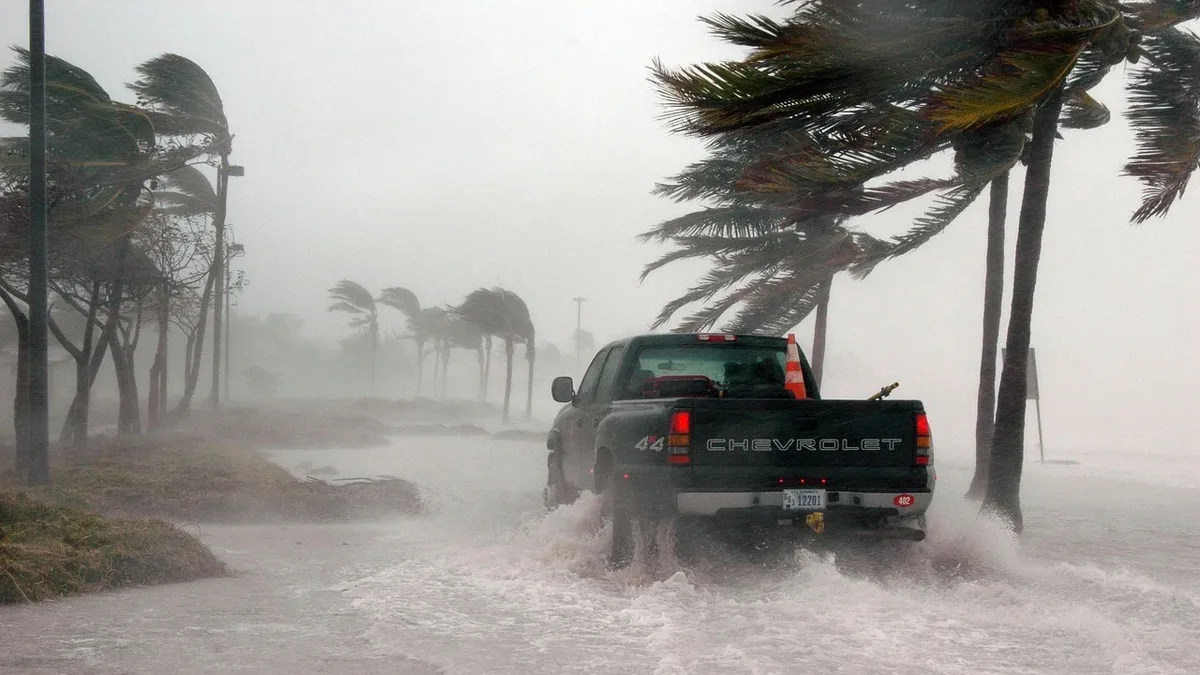
Hurricane Vance Intensifies Rapidly South of Mexico
Hurricane Vance strengthened to 150 km/h winds on October 23, 2026, with a low-confidence forecast to briefly reach Category 3 before weakening as it...

Storm Austen brings strong winds and heavy rain to UK and Ireland
Storm Austen is moving west to east across the UK and Ireland, bringing a yellow wind warning for southern areas with gusts over 70mph possible on...

El Niño winter 2026/2027 brings a sharp north-south snow split
A strong El Niño is driving a clear seasonal forecast, promising above-normal snow for the southern and central U.S. and below-normal snow across the...
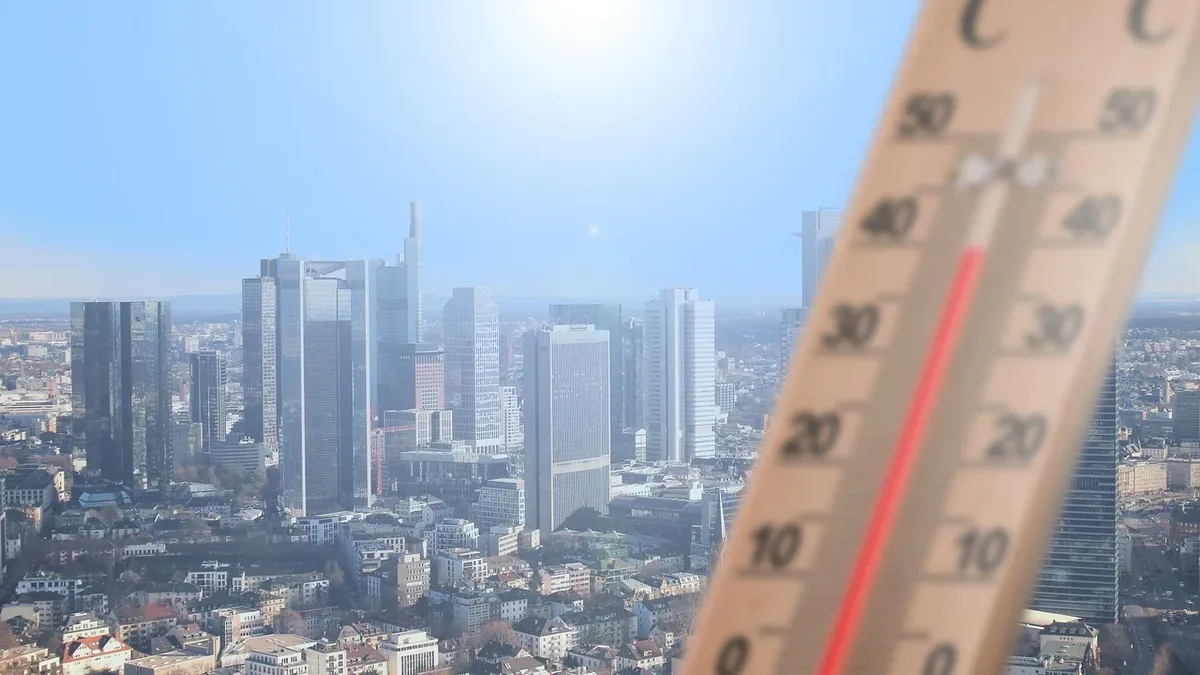
October 2026 heat wave breaks records across Midwest and South
A historic October heat wave shattered daily temperature records across the central U.S. on October 13, 2026, with readings up to 13.3°C above...