Hurricane Isaias Lands in Florida, Killing One and Cutting Power
Hurricane Isaias struck the northern Gulf Coast as a Category 2 storm, causing one death and over 900,000 power outages.
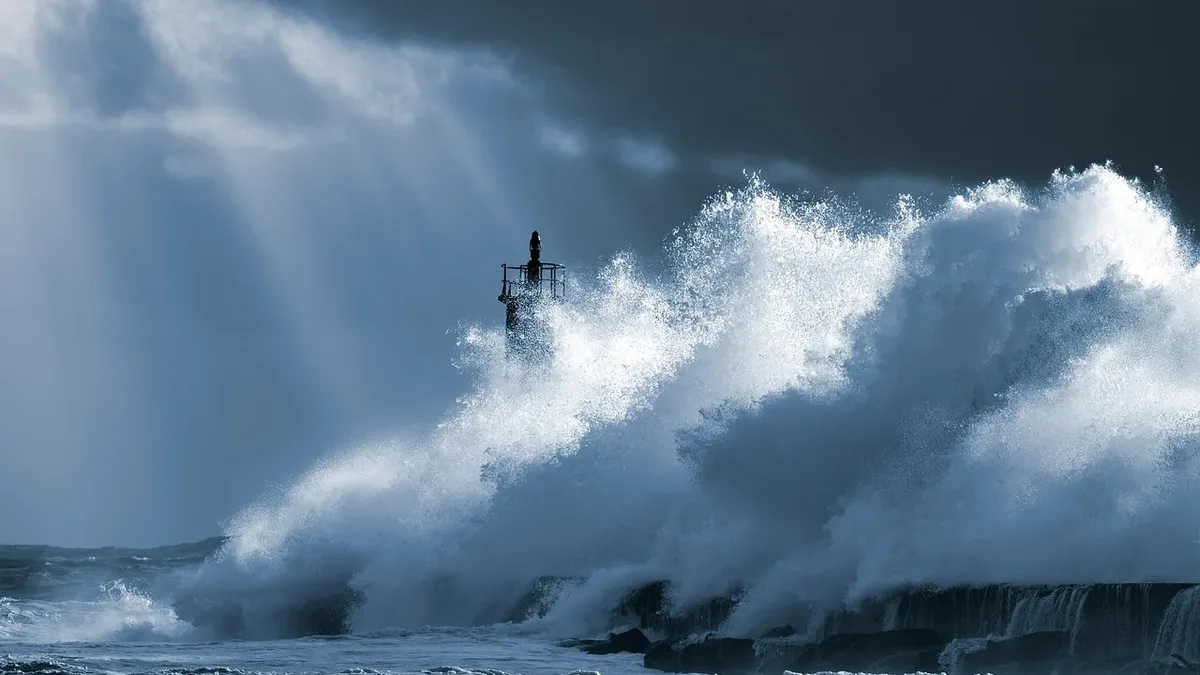
Hurricane Isaias made landfall near Destin, Florida at 9:30 p.m. EDT on October 9 as a Category 2 hurricane with 105 mph sustained winds. The storm killed one person in Birmingham, Alabama, when a tree fell onto a home, and knocked out power to over 900,000 customers across Florida, Alabama, and Georgia by the next morning. Florida, Alabama, and Georgia each declared a state of emergency ahead of the first Atlantic hurricane of a delayed season.
Storm characteristics and weakening
Isaias weakened due to high wind shear of 40-60 knots in its final hours before landfall, dropping from a peak of 120 mph. By 5 a.m. EDT on October 10, it had degenerated into a post-tropical cyclone with 35 mph winds. Its most intense showers and thunderstorms were in the northern half of the hurricane. The ex-hurricane brought flooding rains, damaging wind gusts, and a few tornadoes to the Southeast on October 10.
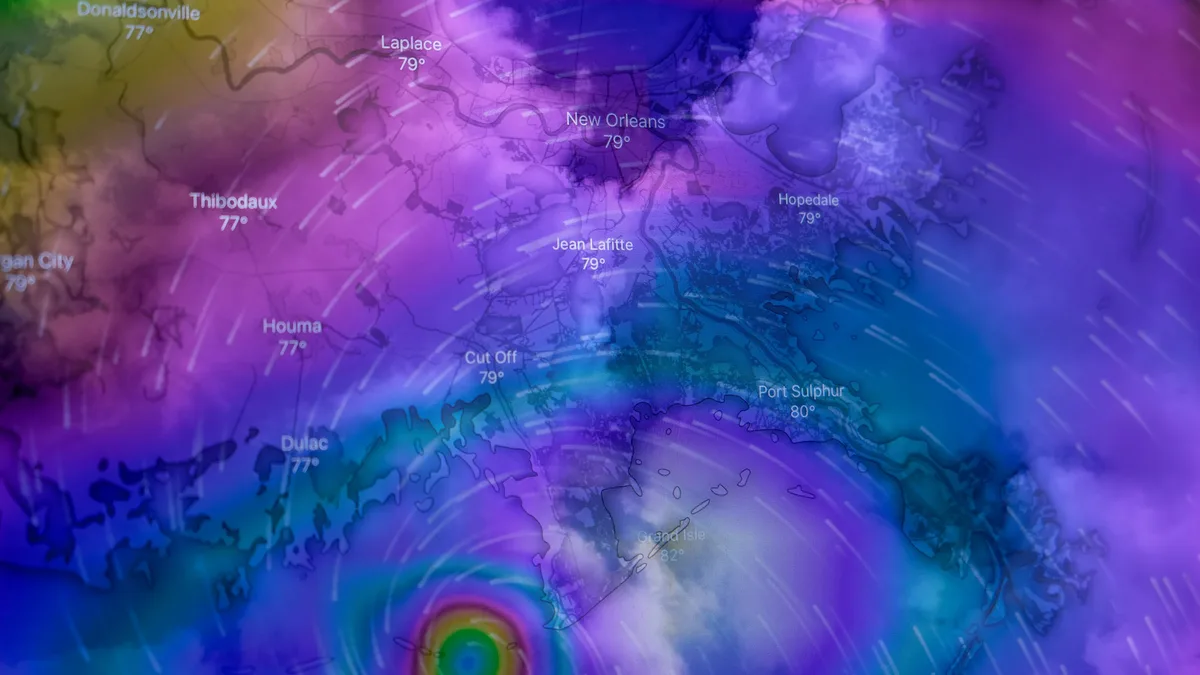
At landfall, hurricane-force winds extended outward up to 35 miles from the centre, with tropical storm-force winds reaching as far as 205 miles. The post-tropical cyclone was moving north and expected to cross Alabama and into the Tennessee Valley later on Saturday and Sunday. All warnings for Isaias were discontinued by Saturday morning.
Storm surge and coastal flooding
The storm produced a significant storm surge, exacerbated by climate-driven sea level rise. The largest surge observed was at Panama City Beach, reaching 5.59 feet above Mean Higher High Water. This is the second-highest water level at that gauge since 1995.
| Rank Since 1995 | Storm | Surge (feet above MHHW) |
|---|---|---|
| 1 | Hurricane Opal (1995) | 6.84 |
| 2 | Hurricane Isaias (2024) | 5.59 |
| 3 | Hurricane Dennis (2005) | 5.43 |
| 4 | Hurricane Ivan (2004) | 5.08 |
| 5 | Hurricane Michael (2018) | 3.79 |
Human-caused climate change has raised sea levels in the region by about 6.5 inches since 1900. At the Pensacola tide gauge, sea level has risen a little over 12 inches since 1923, with almost half of that rise attributable to human-caused climate change.
Climate change influence
Human-caused climate change intensified Hurricane Isaias. Meteorologist and Climate Scientist Dr. Daniel Gilford stated that climate-warmed Gulf waters made Isaias forecast to be 7 mph stronger than it would have been without heat-trapping carbon pollution. That 7 mph increase represents about a 6% boost in wind speed. A 5% increase in hurricane winds can yield about a 50% increase in damage.
Isaias underwent rapid intensification over waters 1.4°C (2.4°F) warmer than they would have been without climate change. Unusually warm Gulf waters exceeding 31°C (88°F) were made 4 to 600 times more likely due to human-caused climate change, depending on location. Across the southwest Gulf, the warmth was estimated to have been 600-800 times more likely. Warmer oceans boost a tropical system’s ability to carry moisture, adding to flood concerns across southern Alabama, the Florida Panhandle and Big Bend, and southwest Georgia.
Response and aftermath
Both Florida and Alabama instituted mandatory evacuations for thousands of people. In Alabama, Governor Kay Ivey issued a mandatory evacuation for all non-residents, tourists, and visitors in key counties likely to be heavily affected. Homeland Security Secretary Markwayne Mullin said the US president had approved emergency declarations for the two states on Saturday.
Power outages remained extensive on Saturday morning. More than 400,000 customers were without power in Florida. Just over 300,000 customers in Alabama were experiencing outages. In Georgia, more than 100,000 customers were without power. The post-tropical cyclone was moving north and expected to cross Alabama and into the Tennessee Valley later on Saturday and Sunday.