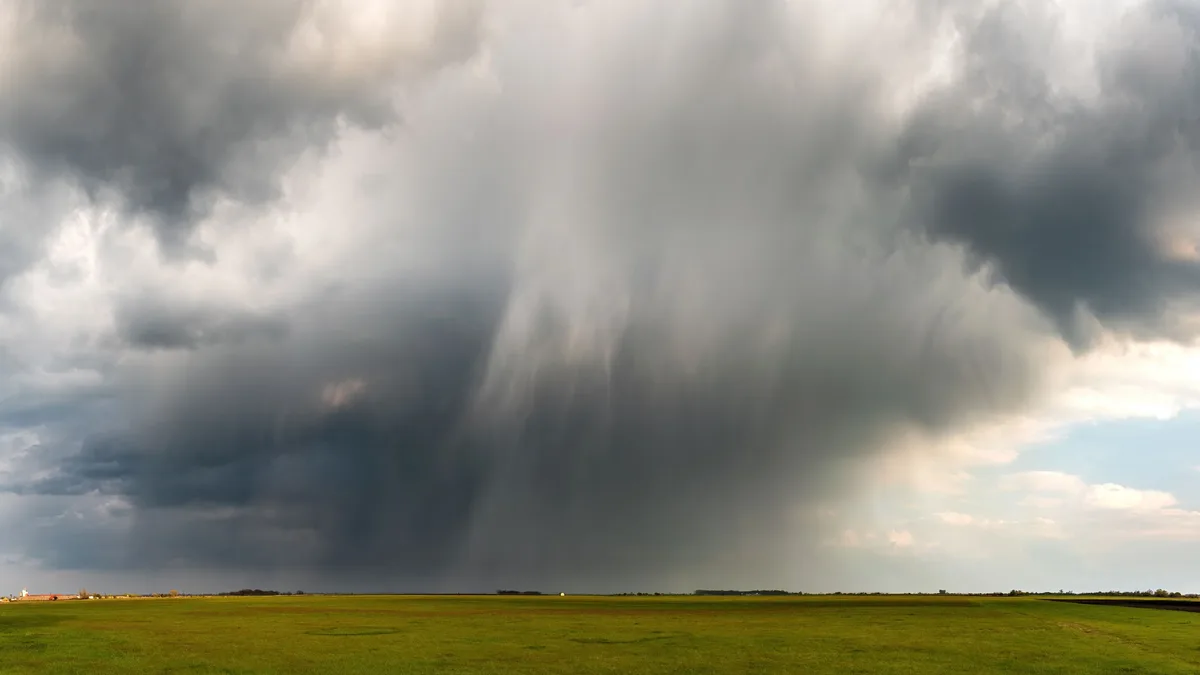
Madrigueras flash flood October 2026 kills 102-year-old woman
A 102-year-old woman died and around 90 people were rescued after a catastrophic flash flood inundated Madrigueras, Spain, on October 2, 2026.
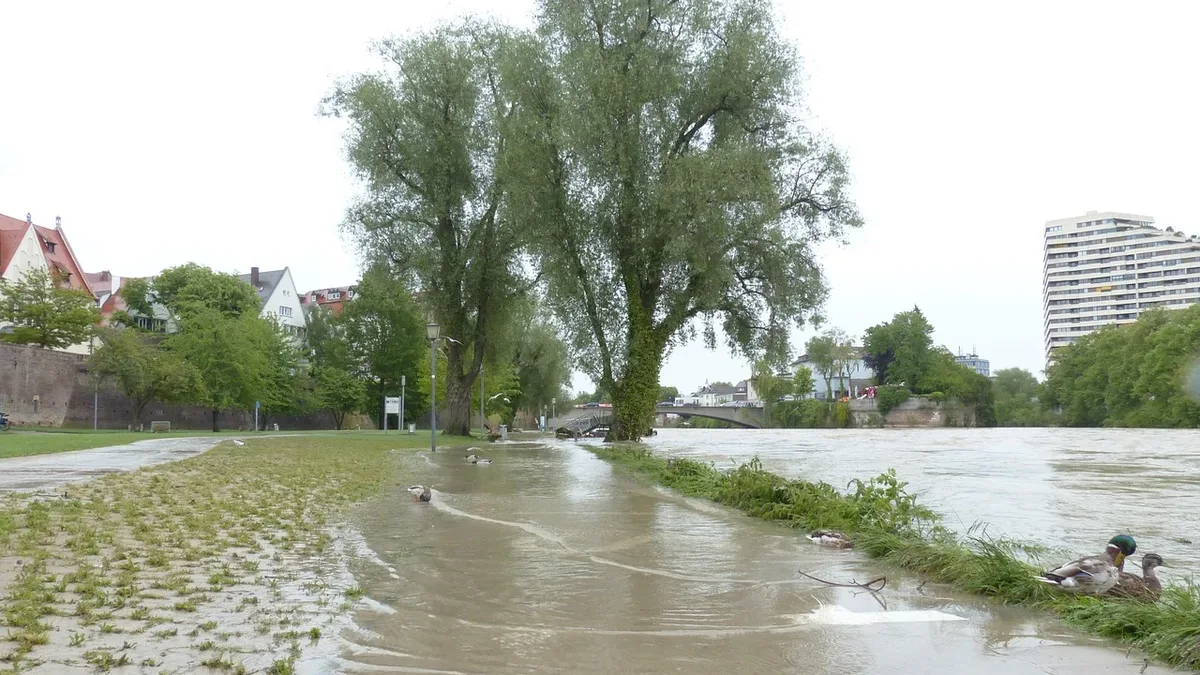
A 102-year-old woman was found dead in her home after floodwater rose above 1 m (3.3 feet) in Madrigueras, Spain, on October 2, 2026. Preliminary data from the regional government indicates more than 140 mm of rain fell during an intense two-hour phase that afternoon, triggering a devastating flash flood that required around 90 rescues.
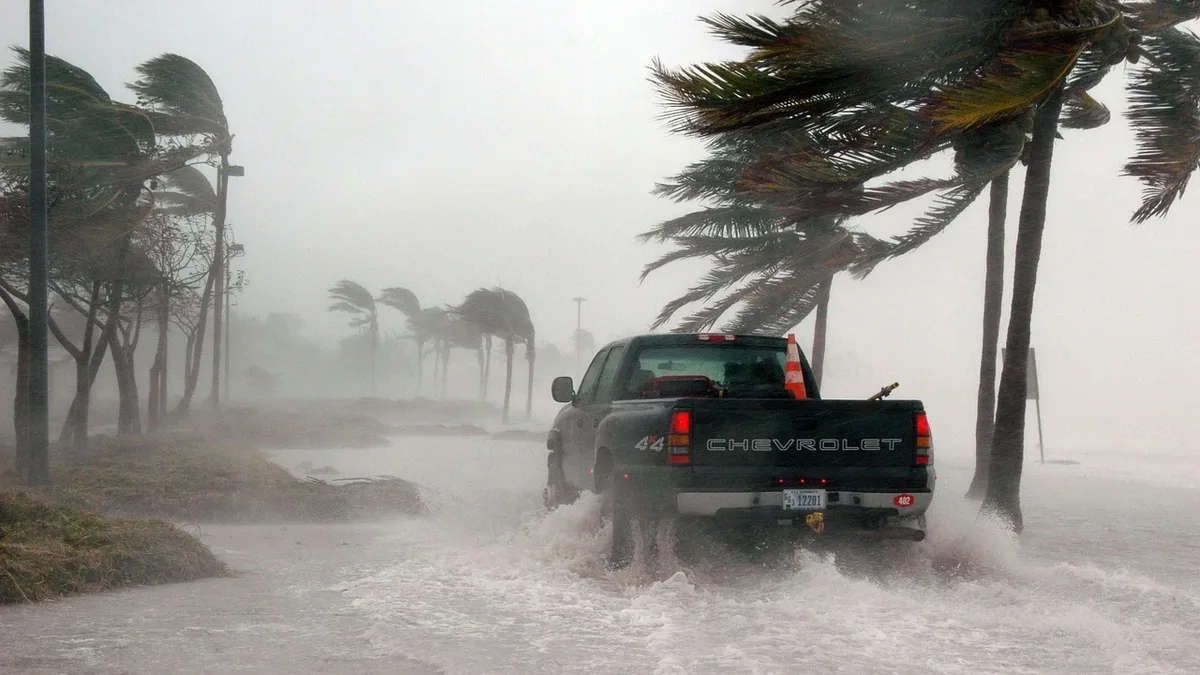
The problems began around 6pm on Friday. Muddy rapids swept through streets, turning roads into raging streams. The force of the water piled cars on top of each other and swept dozens of vehicles away. Runoff arrived through normally dry drainage channels, known as ramblas, and from surrounding higher ground, quickly overwhelming the town's infrastructure.
Emergency personnel worked through the afternoon and early evening to rescue people, primarily from flooded homes. Some residents were forced to call for help from their apartment balconies. The floodwater entered the Madrigueras health center, forcing medical services to temporarily relocate to a local Red Cross facility.
Mayor Juan Carlos Talavera said on October 3 that four homes had collapsed, more than 150 vehicles had been removed, and no one remained missing. Mud, debris and standing water continued to affect streets, homes, businesses and public buildings the following day.
Emergency response and recovery
Recovery operations continued on October 3 with additional teams and trucks from the regional environmental-response agency, GEACAM, joining the effort. They supported the provincial fire service, Guardia Civil, local police, Civil Protection, the Red Cross and crews from neighboring municipalities. Authorities called on residents to remain cautious and avoid moving through flooded areas as cleanup progressed.
Regional President Emiliano García-Page said his government would ask Spain’s central government on October 6 to designate Madrigueras as an area seriously affected by a civil protection emergency. This designation would provide access to state assistance for damage, particularly to private property and vehicles.
Meteorological context and forecast
The Spanish meteorological agency, AEMET, said the broader rainfall episode began on October 1 as cold air entered the middle and upper atmosphere while moist air moved inland from the Mediterranean. A detached upper-level low, known as a DANA, was forecast to become established west of the Iberian Peninsula and maintain unstable conditions through October 4.
Pedro Antonio Ruiz Santos, a regional government representative, provided detail on the storm's peak. "The most intense phase began around 18:15 LT (16:15 UTC) on October 2 and continued for approximately two hours." AEMET had warned that intense storms could cause sudden flooding in low-lying areas, streams and normally dry channels. Regional authorities had issued orange and yellow alerts for the Costa Blanca due to the risk of extreme weather.
Continued risk for eastern Spain
AEMET forecast more heavy rain across eastern Spain in the days following the Madrigueras disaster. The agency warned that repeated storms over already saturated areas would increase the flooding danger.
| Date | Area | Forecast Rainfall |
|---|---|---|
| October 3 | Parts of the Balearic Sea coast | More than 100 mm in 12 hours |
| October 4 | Parts of Barcelona and Girona provinces | Exceeding 200 mm in 12 hours |
AEMET cautioned that the precise location and timing of the heaviest rain remained uncertain. Regional authorities kept the regional emergency system at an operational emergency phase on October 3. The regional government will now seek a central government designation to unlock state assistance for private property and vehicle damage.