Extreme Weather Survivors Mobilize for Federal Aid and Insurance Reform
Survivors of recent climate disasters are organizing into a national political force, demanding better federal disaster response and insurance reform as extreme weather affects half the U.S. population.
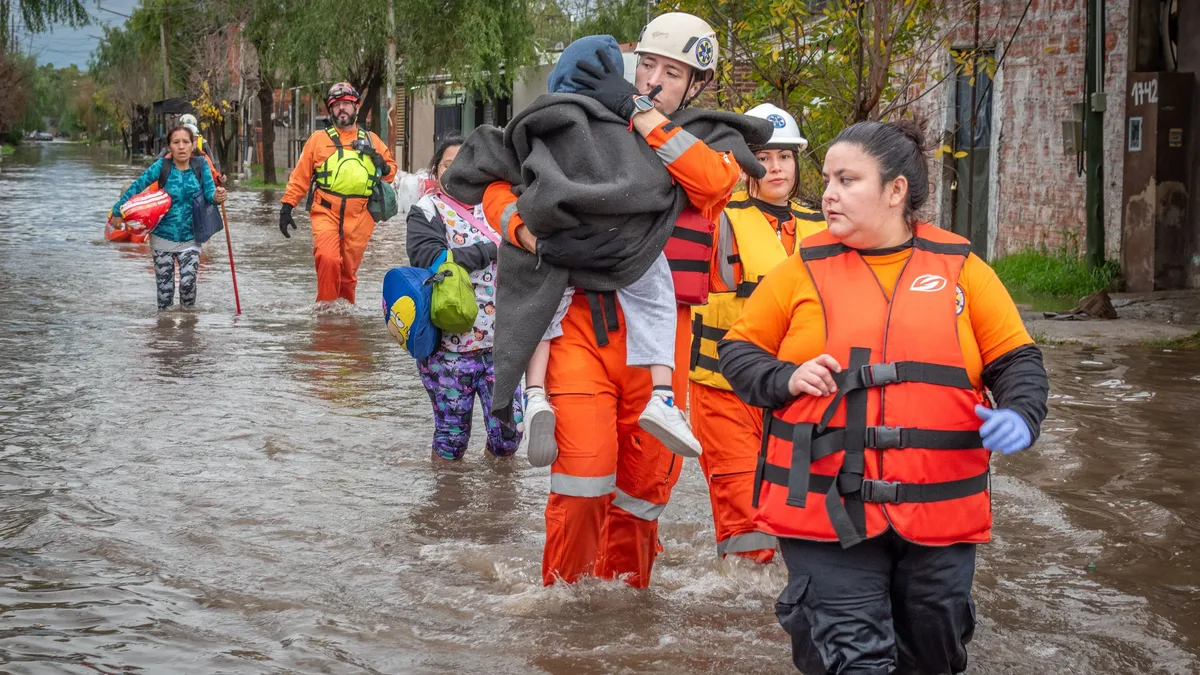
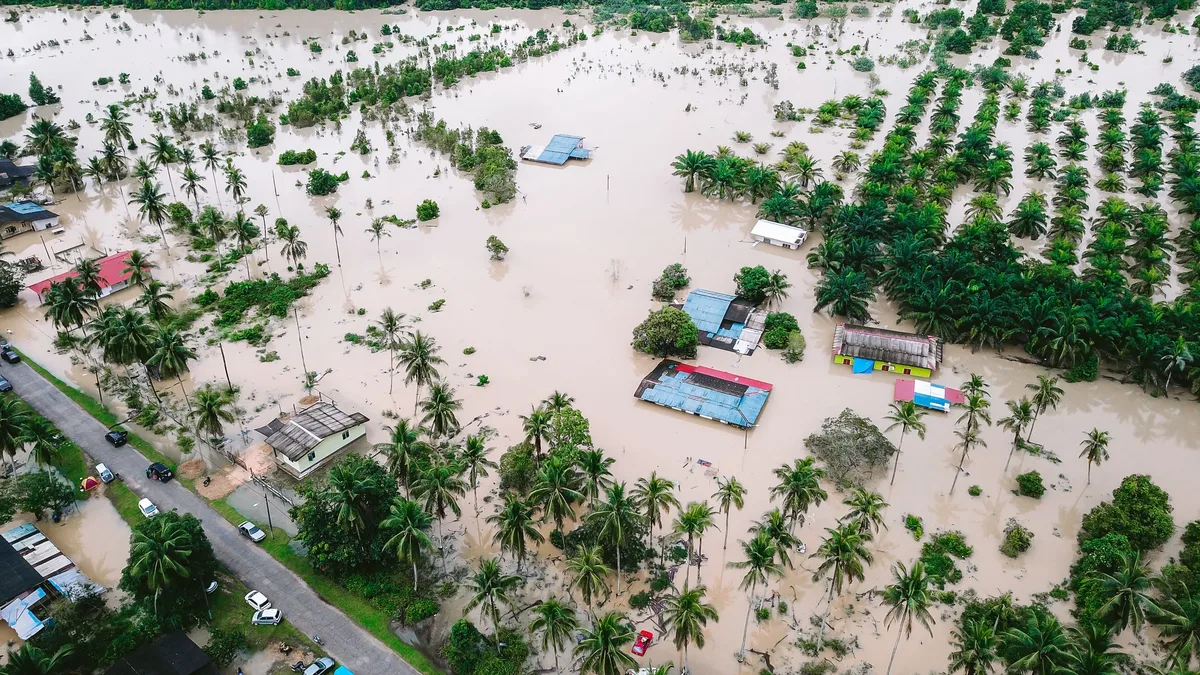
Former pre-school teacher Kylie Nidever became an advocate after her childhood home in Hunt, Texas, survived the 2025 floods. Those flash floods in Kerrville killed 136 people. Survivors are now turning personal trauma into political pressure for improved federal aid and insurance reform. About half of all Americans are affected by extreme weather disasters. Amanda Rosa from the survivor-led group Extreme Weather Survivors stated that trauma can become power with the right support.
Grassroots Group Expands Amid Rising Disasters
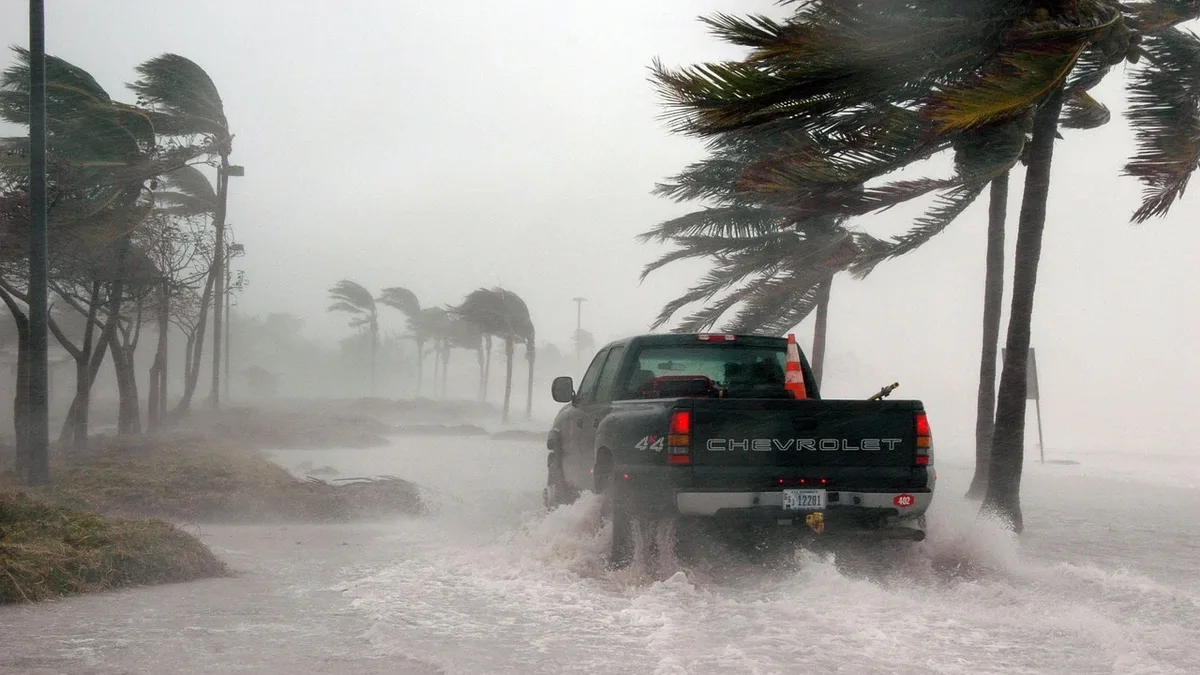
Extreme weather events are increasing. Wildfires, floods, storms, and heatwaves are being boosted by the climate crisis. In response, the organization Extreme Weather Survivors has grown to approximately 2,500 members across the United States. Sierra Kos, a film-maker and co-founder, was trapped in toxic wildfire smoke in rural Oregon in 2020. She noted the group's rapid growth. "The group has grown, sadly, quite rapidly," Kos said.
Members report rising home insurance costs, toxic wildfire smoke, flooding, and extreme heat as major concerns. Scientists state that global heating likely worsened the Texas floods and other recent events like heatwaves and wildfires. Survivors in Texas faced potential eviction from temporary housing due to a lack of FEMA or other financial support after the 2025 floods.
Political Engagement Remains Limited
Politicians have engaged with survivors in a bipartisan manner. Diverse delegations have visited Washington to press lawmakers. Survivors have testified before the Senate judiciary committee and briefed FEMA leadership within months of forming. Yet, a meeting in Texas in October suggested politicians do not yet feel overwhelming pressure to act.
This was evident in Kerrville. Only one Texas gubernatorial candidate, Vikki Goodwin, attended a survivor meeting there despite invitations to all candidates and legislators. Only the Democratic candidate for lieutenant governor attended. Campaigns for the upcoming midterm elections have barely mentioned the climate crisis or major disasters despite record heat and El Niño events. The groups often avoid the term 'climate change' due to its political toxicity, preferring 'extreme weather' for broader inclusivity.
Insurance and Aid Challenges Persist
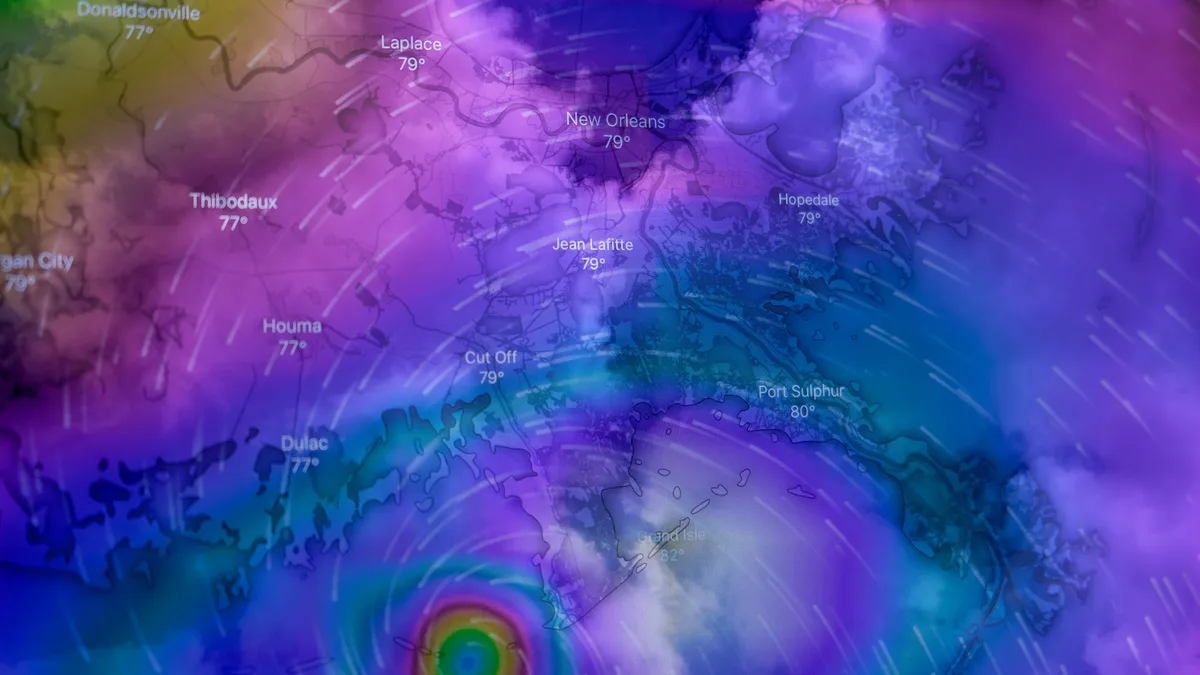
Survivors face systemic hurdles after disasters. FEMA has been criticized for inefficiency, politicization, and delayed or denied aid. Multiple survivors report rejected applications. Funding has not materialized for regions like Asheville, North Carolina, which remains moribund two years after flooding. Alex Webber, a medical journal illustrator, evacuated New Orleans after Hurricane Katrina in 2005 and later relocated to Asheville before it was hit by Hurricane Helene in 2024.
Hurricane Helene caused many to struggle with complex insurance policies. The organization focuses on federal aid, debris clean-up, and insurance reform. Former President Donald Trump enacted deep cuts to FEMA, advocating for state-level disaster responsibility. He has also publicly called climate change a 'hoax' and 'bullshit'.
Individual stories highlight the shift in perspective driving the movement. Georgia Bishop, a 19-year-old survivor, traveled to Washington in June to advocate for better flood warnings like sirens after her friend died in the 2025 floods. Mike Malcolm, a 70-year-old Republican voter from Leander, Texas, changed his view on climate change after surviving the same disaster. The upcoming midterm elections represent a potential turning point for this growing advocacy effort.