El Niño intensifies with severe global weather impacts
The strengthening El Niño climate phenomenon is driving extreme weather worldwide, including severe Indonesian wildfires, a hyperactive Pacific hurricane season, and drought in India, with impacts expected to persist for years.
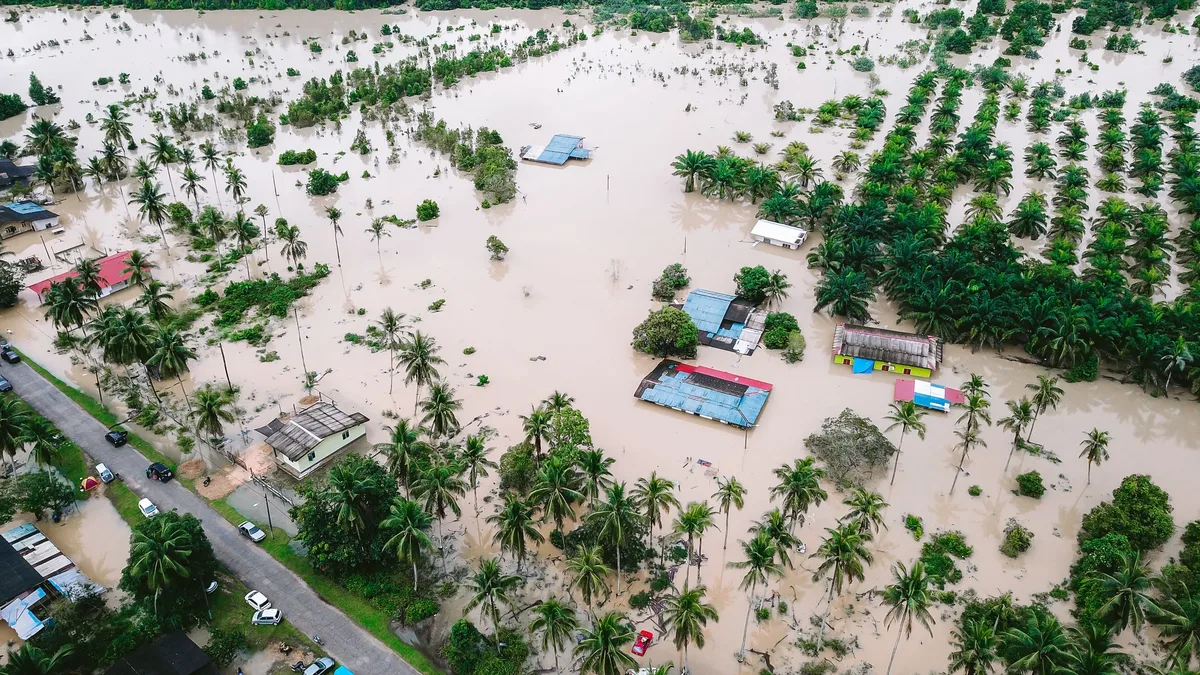
El Niño has been strengthening for several months and is already having a significant impact on global weather patterns. This natural phenomenon, associated with unusual warming of surface waters in the central and eastern equatorial Pacific, affects atmospheric circulation and changes precipitation, temperature, and storm intensity globally. Countries from Indonesia to India and across the Pacific Ocean are now experiencing its effects through droughts, floods, and heatwaves.
Indonesian wildfires reach crisis levels
Indonesia is experiencing its worst wildfire season since 2015. Since January, at least 895,657 hectares of land have burned, an area nearly six times the size of Greater London. The resulting air pollution has led to school closures in some areas and a sharp rise in respiratory illness. Around 175,000 people have suffered, including over 40,000 cases involving toddlers, leading to increased hospital admissions.
Pacific hurricane season surges with unprecedented activity
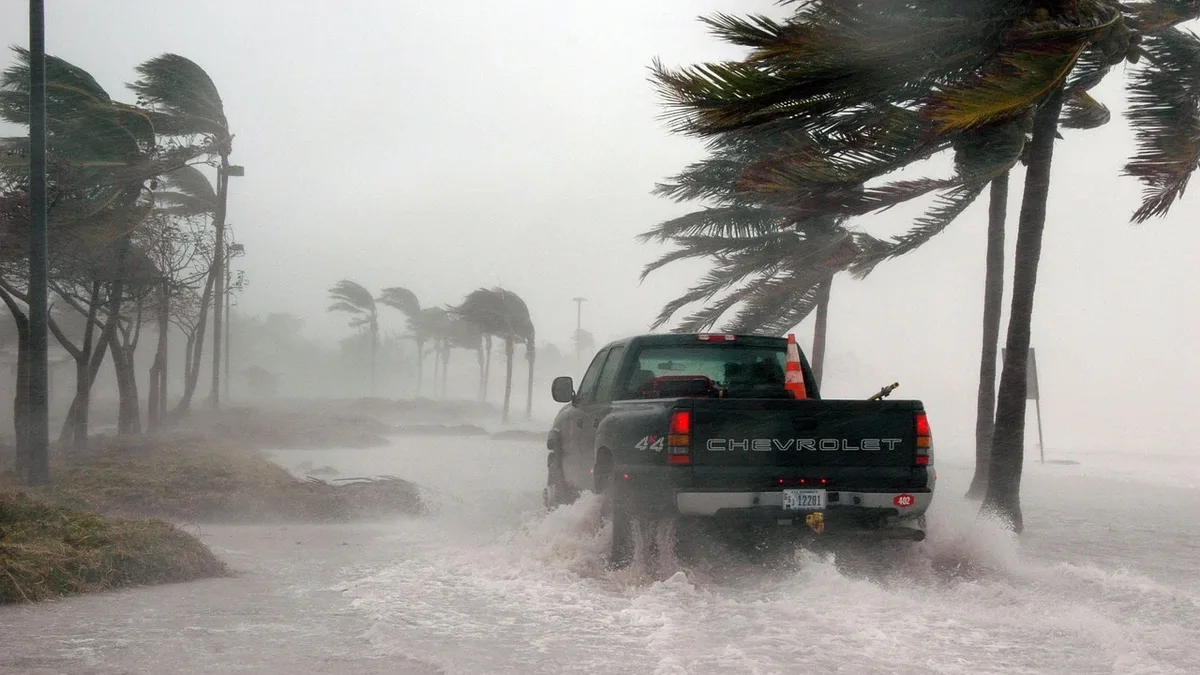
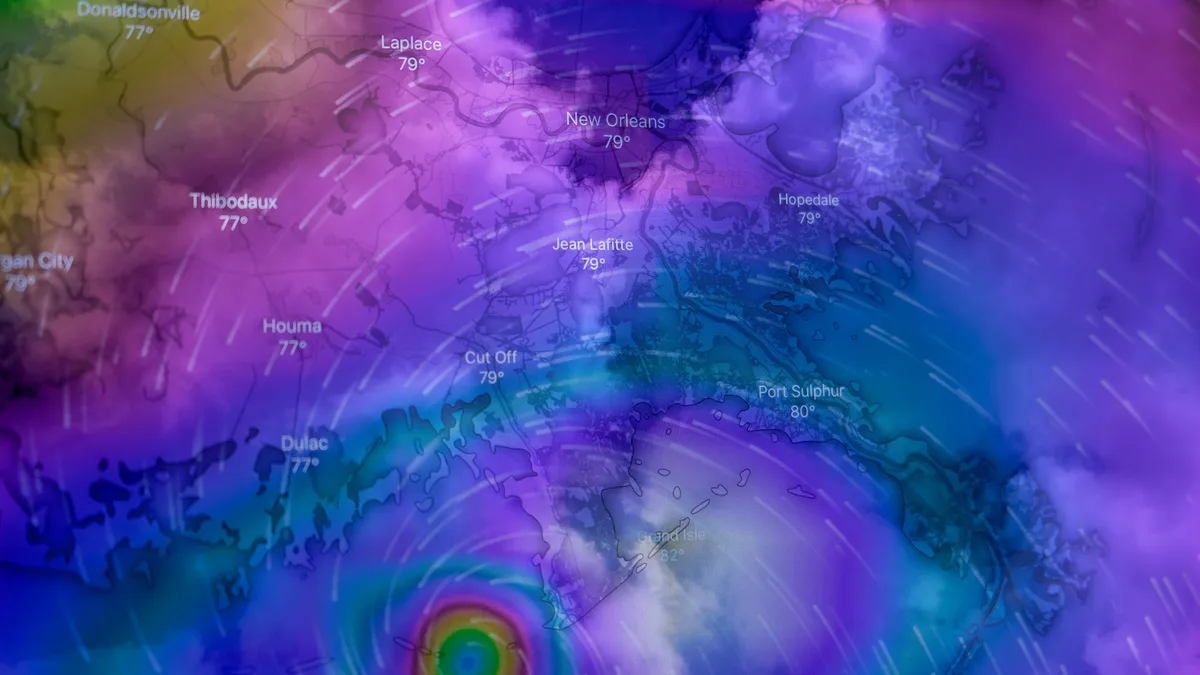
Hurricane activity in the Pacific Ocean has been exceptionally intense. In the eastern Pacific, there have been 22 named storms and 12 hurricanes, with 10 classified as major hurricanes. Some storms have reached wind speeds of up to 285 kilometers per hour. Hurricane Polo experienced rapid intensification, with wind gusts reaching 180 mph. This activity included two separate occasions within a month where three hurricanes churned in the same basin simultaneously, a rare event last seen in 2015.
The western Pacific has also been active, with the Japanese Meteorological Agency reporting 10 tropical cyclones, the highest number since 1966. Powerful typhoons in Eastern China and Japan have caused flooding and landslides.
Atlantic hurricane season remains unusually quiet
In stark contrast to the Pacific, the Atlantic hurricane season has been eerily quiet. Only eight tropical storms have formed so far this year: Arthur, Bertha, Cristobal, Dolly, Edouard, Fay, Gonzalo, and Hanna. This is below the average of 10 named storms typically seen by this point. Only one hurricane, Isaias, made landfall in the Florida Panhandle and Alabama, and it was the latest-forming first hurricane on record in the satellite era. Scientists state that El Niño may inhibit Atlantic hurricane development by increasing wind shear over the basin.
India faces drought and erratic monsoon rains
India is grappling with significant rainfall deficits and an erratic monsoon. Overall rainfall is about 13% below average, with severe regional disparities. The east and north-east are 26% drier than average, a condition classified as exceptional drought, while southern states are 24% drier. The inconsistent pattern has featured long dry spells alternating with extreme rainfall, adding stress to agriculture and farmers. Despite the substantial shortfall, the Indian Meteorological Department (IMD) said this still falls "in the 'normal' range."
Scientists emphasize that while El Niño is not the sole cause of these extreme weather events, it influences their intensity and distribution. The World Meteorological Agency states the current pattern will be long-lasting, noting "the record-breaking El Niño will strengthen further and persist until at least 2027."