Pacific Hurricanes Polo and Nolo Threaten Hawaii and Mexico
Hurricane Polo has reached Category 5 strength for a third time in the Eastern Pacific, while Hurricane Nolo brings life-threatening flooding to Hawaii's
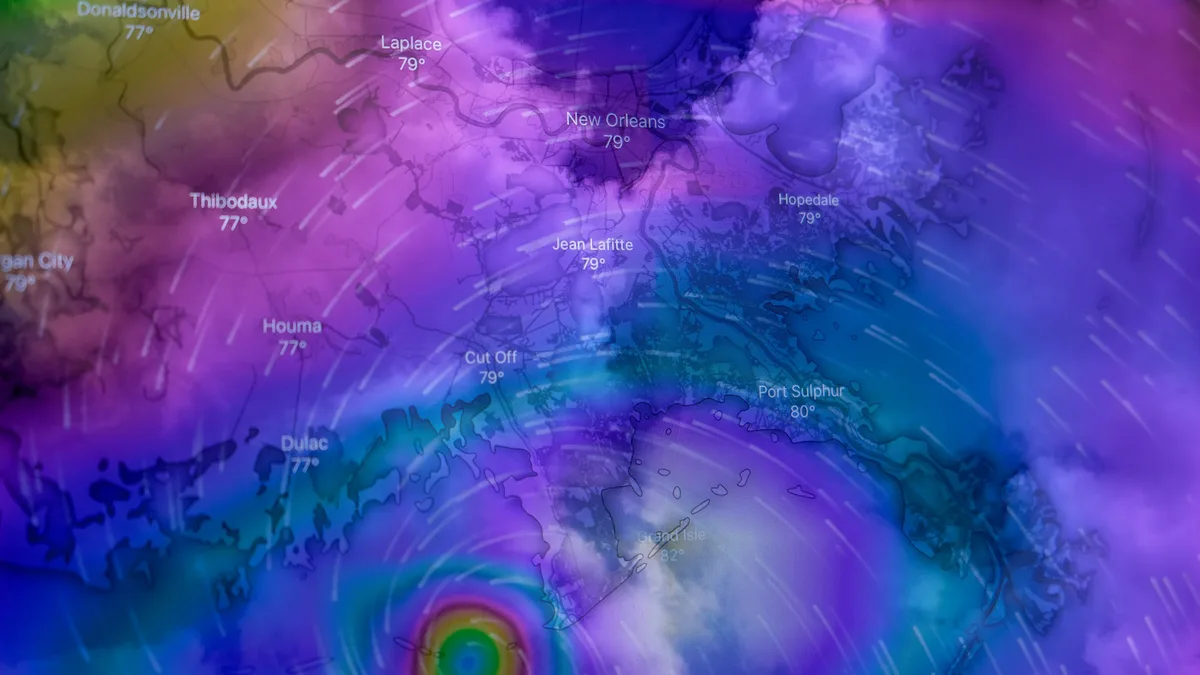
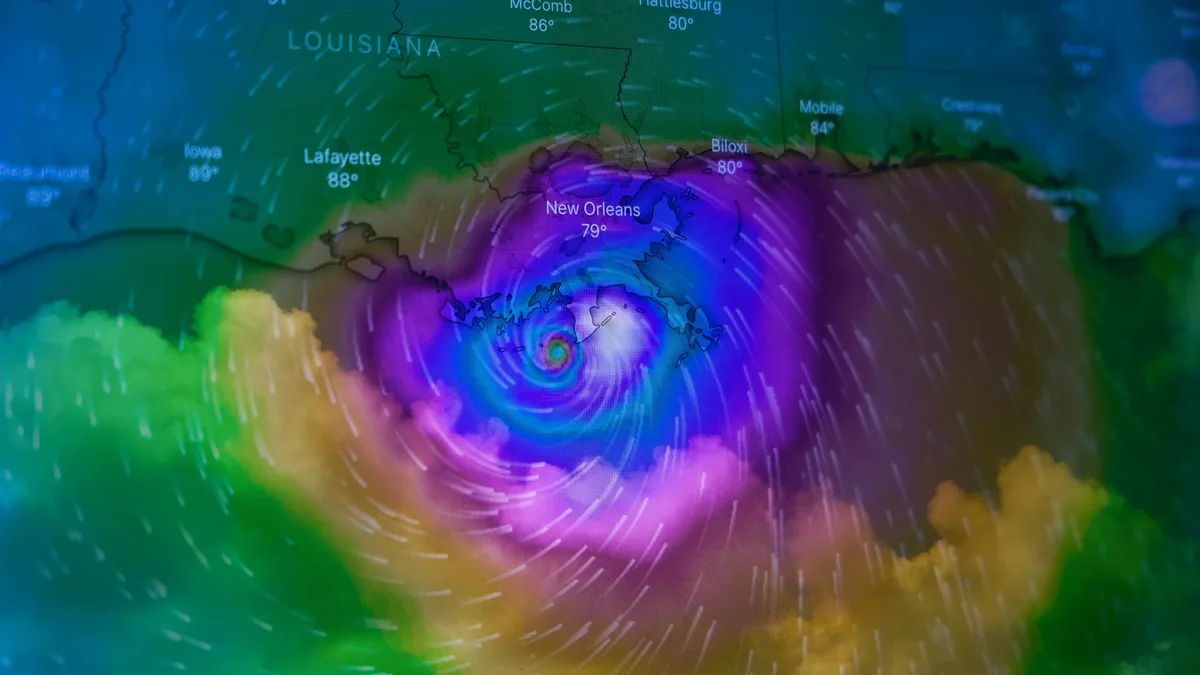
Hurricane Polo has surged to Category 5 strength for a third distinct period, a first for the Eastern Pacific. Simultaneously, Hurricane Nolo is positioned south of Hawaii, threatening the Big Island with catastrophic flash flooding and up to 20 inches of rain. A third system, a nor'easter, is expected to bring coastal flooding to the northeastern United States this weekend.
Polo completed another eyewall replacement cycle and intensified. As of 11 a.m. EDT Saturday, its maximum sustained winds were 180 mph with a minimum central pressure of 900 hPa. Seas close to the storm reached around 41 feet. By that same time, Polo's top sustained winds had dropped back below Category 5 strength. Mexico’s National Meteorological Service expects Polo to make landfall in southern Baja California on Monday, likely at Category 2 strength.
The storm has been battering several Mexican states, including Guerrero, Michoacan, Colima, and parts of Jalisco, with torrential rains prompting school closures. Widespread rain totals of four to eight inches are expected from Polo, with isolated spots on the Baja California Peninsula seeing up to 10 inches. Its remnants will move into the southwest and south-central United States by Wednesday, bringing largely beneficial rain to drought-stricken areas but also a risk of localized flash flooding.
Hurricane Nolo's Hawaii Threat
As of Friday morning, Hurricane Nolo was located 210 miles south of South Point on Hawaii’s Big Island. It was moving slowly north-northeast at 5 mph. By Saturday, its maximum sustained winds had risen to 115 mph. Nolo had embarked on an anticipated left turn, heading west at 3 mph and was about 365 miles south-southwest of Honolulu, moving away from the Big Island at about 12 mph.
Forecasters said Nolo’s outer bands could cause life-threatening flooding and mudslides. Parts of the Big Island could get up to 20 inches of rain, with heavy rain also expected on the other islands. Heavy rain fell across the southern part of the Big Island on Saturday afternoon, leading to partial closures of a main highway linking Kailua-Kona to Hilo. More than 120 National Guard members were activated on the island, part of roughly 400 statewide after the governor issued an emergency proclamation.
Residents are still recovering from Hurricane Lala, which produced winds strong enough to sweep about 100 homes off their foundations on the Big Island. The Hawaii county civil defense agency said a high wind warning, wind advisory, and high surf advisory remained in effect for parts of the island through Sunday evening. The US National Hurricane Center said the storm’s center would remain well south and southwest of the Hawaiian Islands. Nolo is expected to strengthen further, turn toward the northwest by Sunday night, and approach the Papahānaumokuākea Marine National Monument early this week.
Nor'easter Flooding Threat
A separate nor'easter is expected to cause minor to moderate coastal flooding this weekend for the southern New England coast and the New York City area, including Long Island. Inundations of one to three feet above ground level will be widespread, especially at high tide. Many road closures can be expected. Runoff from weekend rains of one to three inches will exacerbate the flood potential.
Other Active Systems
Five named systems are active across the Pacific and Atlantic basins. Three hurricanes are active simultaneously in the Pacific: Polo, Odalys, and Nolo. Odalys is churning over the eastern Pacific. In the Atlantic, Tropical Storm Fay is wandering across the central Atlantic, while newly formed Tropical Storm Gonzalo is bringing wind, heavy rain, and dangerous seas to the Cabo Verde Islands and parts of the West African coast. Deep tropical moisture from Polo could also bring torrential rains to parts of New Mexico and western Texas by the middle of next week. Polo is forecast to bring its center into southern Baja California late Monday.