Cyclone Arnab makes late landfall on Andhra Pradesh coast
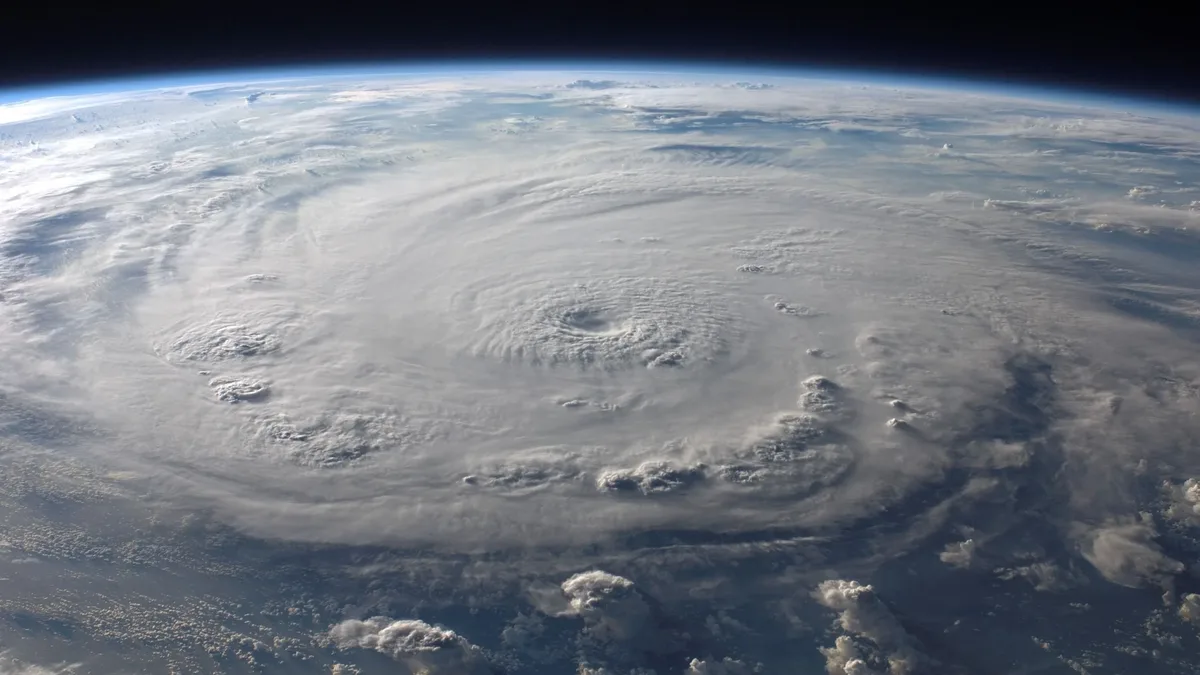
Cyclone Arnab, the first named storm of the 2026 North Indian Ocean season, struck India's Andhra Pradesh coast on October 28 with 130 km/h winds, causing extensive damage and mass evacuations during an El Niño period.

Cyclone Arnab made landfall on the Andhra Pradesh coast early on October 28 with sustained winds of 130 kilometers per hour. The first named storm of the 2026 North Indian Ocean cyclone season, it emerged in the Bay of Bengal on October 25 and crossed the coast between Bapatla and Visakhapatnam.
The India Meteorological Department categorized Arnab as a "very severe cyclonic storm." This is similar to a Category 1 hurricane. Wind speeds reached up to 135 kph late Wednesday morning. Officials expect the cyclone to weaken further inland. Wind speeds should ease later in the day.
Impact and Response
Arnab caused extensive damage. It uprooted trees and inundated crops and homes. The storm disrupted transportation and power networks. It also limited fishing operations. According to the Associated Press, the storm killed three people and damaged homes and farmland.
Authorities evacuated tens of thousands of people from vulnerable coastal areas ahead of landfall. Over 84,000 people were moved to shelters. Another account puts the number evacuated from Andhra Pradesh at least 89,000. Evacuations targeted low-lying and flood-prone areas. More than 12 million people live along the cyclone’s expected path.
Prakhar Jain, head of the Andhra Pradesh disaster management authority, helped coordinate the response. All coastal districts of Andhra Pradesh were placed on high alert on Tuesday. Over 2,000 cyclone shelters were set up across 20 districts. Emergency alerts were sent to the mobile phones of millions of residents. More than 30,000 fishing boats were secured. Nearly 1,100 medical teams were deployed across affected areas. Some train services were cancelled due to heavy rain and gusty winds.
The India Meteorological Department said the landfall process was complete. Heavy rain and strong winds would continue in coastal Andhra Pradesh and parts of southern Odisha. Odisha officials had planned to evacuate about 48,000 people.
Seasonal Context and Climate Factors
Cyclone Arnab's emergence in October represents a rather late start for the North Indian Ocean cyclone season. The season typically produces named cyclones in April or May. The storm occurred during an El Niño event. Research indicates that El Niño years see both less frequent and less intense tropical cyclones in the Bay of Bengal.
The storm was captured by NASA's VIIRS instrument on the NOAA-20 satellite. This was on October 26. At that time, Arnab had sustained winds of about 140 kilometers per hour. The storm's outer bands began affecting the Andhra Pradesh coast late Tuesday as it intensified over the Bay of Bengal. The storm is expected to weaken further inland with wind speeds easing later in the day.