Storm Season
| Country of origin | United States |
|---|---|
| First created | Late 20th century |
| Original use | Weather forecasting and public awareness |
| Duration | Several months |
| Typical months | Late spring through early autumn |
| Primary hazards | High winds, heavy rainfall, lightning |
| Associated systems | Thunderstorms, tropical cyclones, derechos |
| Monitoring agency | National Weather Service |
Origin and history
Storm Season is a conceptual weather system framework that originated from meteorological agencies in the mid-latitude regions of North America and Western Europe. Its development began in earnest during the late 20th century, driven by the need to standardize public communication about recurring severe weather threats. The framework synthesizes decades of climatological observation regarding the annual cycle of extratropical cyclones and convective storms. It was not created as a single product but evolved from the consolidation of various national warning systems and seasonal outlook practices. The terminology "Storm Season" itself entered common public and media usage in the 1990s and 2000s, reflecting a shift towards proactive risk messaging. Its formal adoption by civil protection and emergency management organizations solidified its role as a key planning timeline.
What it is for
The primary function of the Storm Season framework is to trigger a pre-defined set of preparedness and monitoring protocols for government agencies, utilities, and the public. It serves as an institutional calendar marker, shifting operational mindsets from general readiness to active vigilance for specific weather hazards. The system prompts municipal reviews of emergency response plans, including debris clearance, shelter identification, and resource stockpiling. For infrastructure managers, it initiates mandatory inspections and reinforcement of vulnerable assets like power grids, communication networks, and transportation corridors. Public information campaigns are activated under this framework, focusing on hazard education and household preparedness checklists. It also establishes a common temporal reference for insurance advisories, construction moratoriums in high-risk zones, and agricultural protective measures.
Overview
Storm Season denotes a predictable annual period, typically spanning several months, characterized by a heightened frequency and severity of specific meteorological phenomena. In continental interiors and coastal regions, this most commonly refers to the cycle of tornadoes and severe thunderstorms. For subtropical and tropical coastlines, the framework is analogous to the official hurricane or tropical cyclone season defined by oceanic temperature thresholds. The system is defined by climatological probability, not a forecast of daily activity, meaning severe storms can and do occur outside its bounds. It integrates knowledge of shifting jet stream patterns, atmospheric instability, and sea surface temperatures that favor organized storm development. The framework often has phased alert levels, progressing from a seasonal outlook to watches and finally warnings for imminent events.
What to know
Storm Season dates are statistically derived and fixed annually, but their intensity and actual storm tracks are unpredictable on a seasonal scale. Residents within its geographic scope should understand the specific hazard mix for their region, which may include high winds, hail, torrential rainfall, lightning, or storm surge. The system's warnings are tiered: a "watch" means conditions are favorable for severe weather over a broad area, while a "warning" means a dangerous event is imminent or occurring and immediate shelter is required. Reliable information should be sourced directly from official meteorological agencies and emergency management authorities, not solely from social media or unofficial outlets. Preparedness actions, such as securing property and assembling a disaster kit, must be completed well before the season's peak, not when the first warning is issued. Ignoring the preparatory phase of Storm Season significantly increases personal risk and community recovery time after an event.
Common questions
A frequent question is whether climate change has altered the traditional timing or duration of Storm Season, to which the answer is that research indicates a trend toward earlier starts, later ends, and potentially more volatile energy within these periods. People often ask if a quiet start to the season means the entire period will be mild, which is a dangerous misconception as seasonal activity often occurs in bursts. Many inquire about the difference between a hurricane category and a severe thunderstorm warning, with the key distinction being the spatial scale, duration, and primary hazards of wind versus water. Homeowners commonly question what specific structural mitigations are most effective, such as hurricane shutters, reinforced garage doors, or securing roof sheathing. There is recurring confusion about whether travel insurance or standard policies cover storm-related disruptions, necessitating a review of policy exclusions and riders. Individuals also regularly seek guidance on how to create a functional communication plan if cellular networks fail during a severe event.
Pros and cons
A major pro of the Storm Season framework is that it provides a clear, recurring timeline for coordinated preparedness, reducing last-minute panic and institutional inertia. It standardizes language across jurisdictions, which aids public comprehension and reduces mixed messages during crises. A significant con is that it can lead to alert fatigue or complacency, especially in years with few events, causing the public to disregard crucial warnings when they are finally issued. Another drawback is that its broad statistical nature cannot predict localized disaster, potentially creating a false sense of security for areas not hit in recent memory. A common mistake is treating the season as a distant abstraction and failing to take tangible preparatory steps, leaving individuals reliant on overstretched emergency services. Those who often regret not engaging with the system are new residents unfamiliar with the regional hazards or property owners who discover too late that their insurance is inadequate for specific storm-related damages.
Who it suits
This framework is essential for residents of geographic regions with a well-documented climatological pattern of seasonal severe weather, particularly those in tornado alleys, hurricane-prone coastlines, and areas susceptible to atmospheric river events. It suits institutional users like school districts, hospital networks, and utility companies that require long-lead time for logistical planning and staff training. The proactive nature of Storm Season planning is particularly valuable for individuals with mobility challenges, medical dependencies, or livestock, who need extra time to arrange for safety and supplies. It is less immediately relevant for populations in climatically stable interiors with minimal severe weather history, though even these areas can experience outlier events. The system ultimately best serves those who commit to its preparatory ethos, translating the annual advisory into concrete, actionable household and business continuity plans.
Latest Storm Season news
Latest reporting
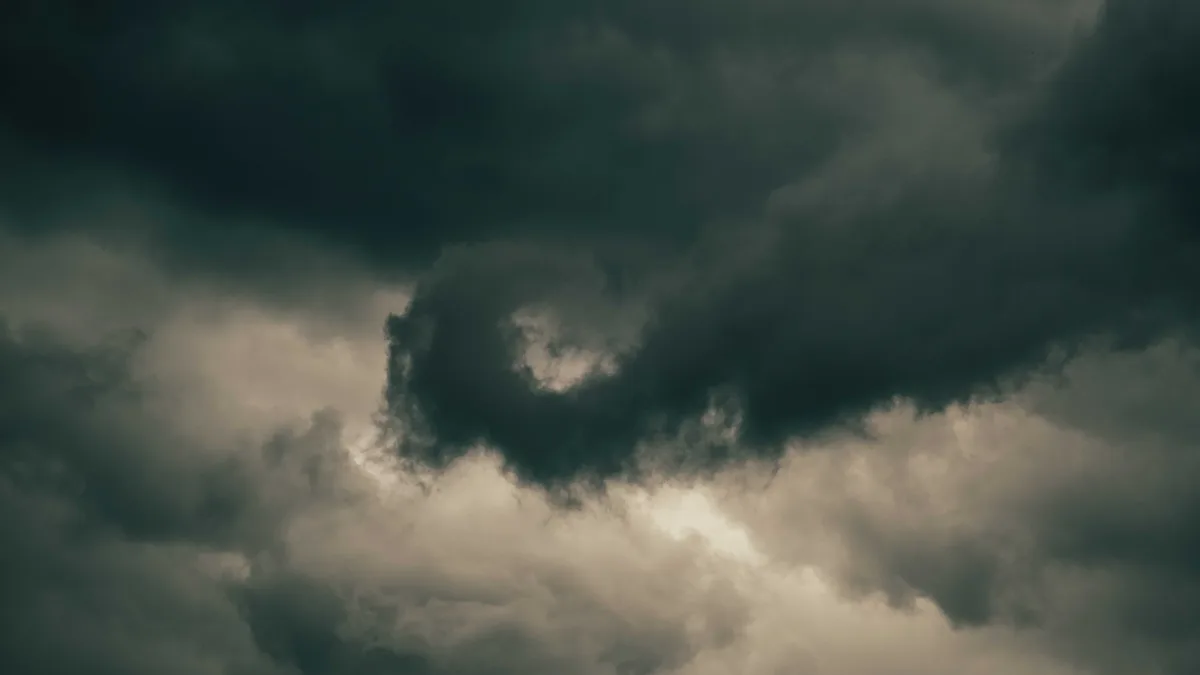
Met Office names storms for 2026-27 season
The Met Office and partners have released the upcoming storm season's names, which include public submissions like Shaun the Sheep.
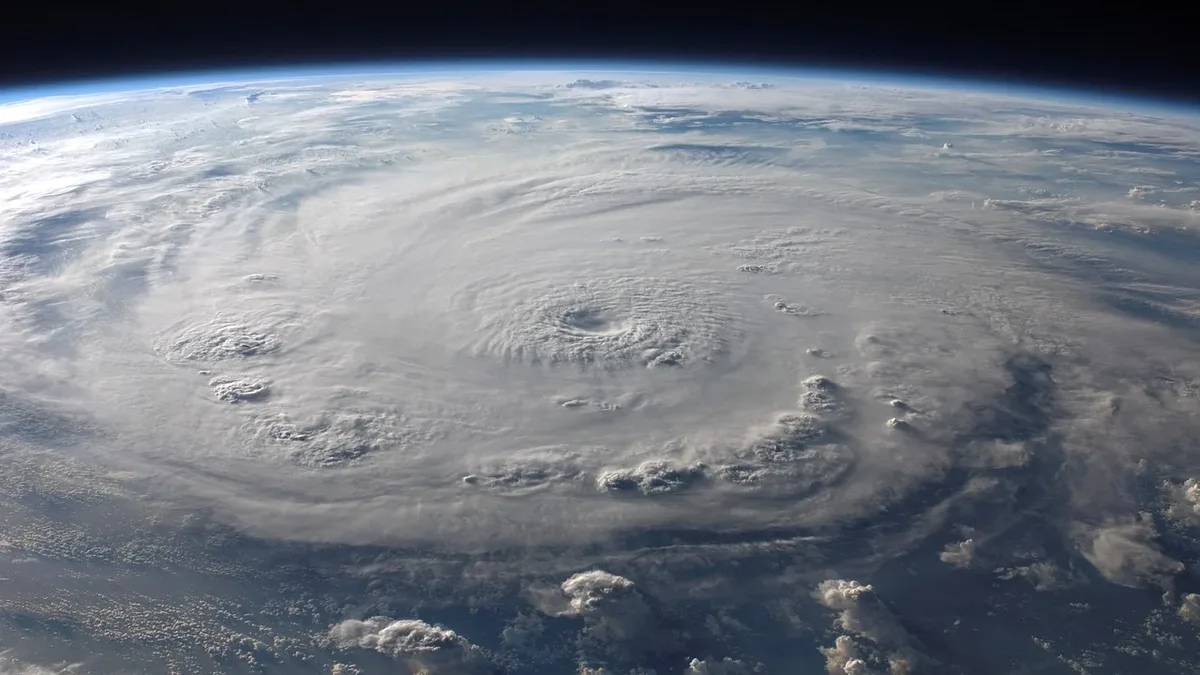
Met Office names 2026-2027 storms
The Met Office has released the public-chosen storm names for the 2026-2027 season, starting with Austen, Boelo, and Chloe.