What Actually Changes Between Amber And Red
| Country of origin | United Kingdom |
|---|---|
| First created | 2001 |
| Original use | Public warning system for severe weather |
| Issuing authority | Met Office |
| Scale type | Three-tier (Yellow, Amber, Red) |
| Primary trigger | Likelihood and impact of severe weather |
| Typical public advice | Varies from "be prepared" to "take action" |
| Typical media response | Varies from standard bulletins to exceptional coverage |
Origin and history
The system of color-coded weather warnings, specifically the amber and red levels discussed here, originates from the United Kingdom's Met Office. It was developed and launched in the early 21st century, with the framework becoming publicly operational in the first decade of the 2000s. This system was created to provide a standardized, easily understandable method for communicating severe weather risk to the public and emergency responders. Its design was influenced by a need for clarity following periods of severe weather that had caused significant disruption and public confusion. The amber and red classifications are integral components of a wider three-tier system that also includes a yellow warning level. The structure has since been adopted or inspired similar frameworks in other countries and regions facing severe weather.
What it is for
This framework exists to communicate the level of danger and expected disruption from impending severe weather events, not to describe the weather itself. Its primary purpose is to trigger a standardized set of preparedness and response actions from the public, businesses, and government agencies. The system translates complex meteorological forecasts into a simple, actionable signal. It is specifically for events like storms, heavy rain, snow, wind, fog, and extreme temperatures that pose a threat to life, property, and infrastructure. The warnings are issued to give people advance notice to make informed decisions to stay safe. The escalation from amber to red is a critical function, indicating a shift from "be prepared" to "take action" due to a significant increase in risk.
Overview
The core change between an amber and a red warning is a substantial increase in the level of risk and the expected severity of impacts, moving from "high likelihood of low impacts OR lower likelihood of high impacts" to "high likelihood of high impacts". An amber warning indicates that severe weather is expected and there is an increased likelihood of disruption to travel, power supplies, and daily routines, with a potential danger to life. A red warning signifies that extremely dangerous weather is imminent and exceptional impacts are expected, representing a threat to life on a widespread scale. The geographical area covered by a red warning is typically, but not always, smaller and more focused than an amber warning area, targeting the zone of most intense conditions. The issuance of a red warning activates national emergency response protocols and advises the public to avoid travel and follow evacuation orders if given. The transition is a definitive escalation in the official assessment of the hazard.
What to know
The threshold for issuing a red warning is deliberately set very high and is reserved for the most extreme events, such as those expected perhaps only once or twice in a generation for a given location. For the public, an amber warning means you should plan for disruption, consider altering travel plans, and secure property, while a red warning means you should take immediate protective action to safeguard yourself and others. Emergency services and government agencies shift from a posture of preparedness and resource positioning under amber to actively executing major incident response plans under red. Infrastructure operators, such as transport networks and energy companies, will often enact their most severe contingency plans during a red warning, which can include pre-emptive shutdowns. The meteorological criteria, such as rainfall amounts or wind speeds, that trigger each level vary significantly by weather type and by region within the UK to account for local vulnerability. It is crucial to understand that a red warning overrides an amber warning; if both are in force for your area, the red warning guidance applies.
Common questions
A frequent question is whether a red warning means the weather itself is more intense than during an amber event, and the answer is yes, the forecast meteorological conditions are more severe, but the critical difference lies in the much higher confidence of widespread, dangerous impacts. People often ask if they should still go to work under an amber warning, which is a personal risk assessment based on the specific forecast details, but under a red warning, travel is strongly advised against and workplaces are expected to close. Another common query is about the duration, as both amber and red warnings can last for similar periods, from several hours to multiple days, with the red level indicating severity, not necessarily longevity. Many wonder why a red warning is not issued more often, which is because the criteria are intentionally stringent to maintain the signal's gravity and to avoid public desensitization. Users also question if an amber warning is "serious," and it is, as it signifies a credible threat of disruption and danger that requires public attention and precautionary action. Finally, people ask about geographical scope, and it is important to know that an amber warning may cover a broad region, while a red warning will typically be nested within it, pinpointing the area of very highest risk.
Pros and cons
A major pro of this clear demarcation is that it provides an unambiguous escalation path for emergency planners and the public, removing ambiguity about the level of response required. The system's simplicity aids in widespread public comprehension and helps drive consistent media messaging during a severe weather event. A significant con is that the public can become desensitized to the more frequently issued amber warnings, mistakenly perceiving them as routine and failing to take appropriate precautions. Another drawback is the potential for "warning fatigue," where a series of amber warnings that do not materialize into major impacts for all areas can erode trust, making people less likely to heed a subsequent critical red warning. The system can also struggle with highly localized, sudden-onset events like tornadoes, where the lead time for a red warning may be minimal. A common mistake is for individuals to focus solely on the color and not read the detailed text accompanying the warning, which contains vital specifics about the hazard type, timing, and recommended actions.
Who it suits
This two-tier escalation system suits national meteorological and civil protection services that require a standardized, hierarchical protocol for risk communication. It is particularly suited for public audiences who need clear, simple, and actionable guidance without requiring interpretation of complex meteorological data. The framework benefits emergency responders and infrastructure managers by providing predefined trigger points for escalating their operational readiness and response activities. It is well-suited for planned, predictable severe weather events with longer lead times, such as major Atlantic storms or prolonged cold spells, where preparatory actions can be staged. The system is less ideally suited for very rapid-onset phenomena or for highly localized events where blanket regional warnings may be too coarse an instrument. Ultimately, it suits a societal approach to risk management that relies on official, top-down communication to coordinate public and organizational behavior in the face of natural hazards.
Latest What Actually Changes Between Amber And Red news
Latest reporting
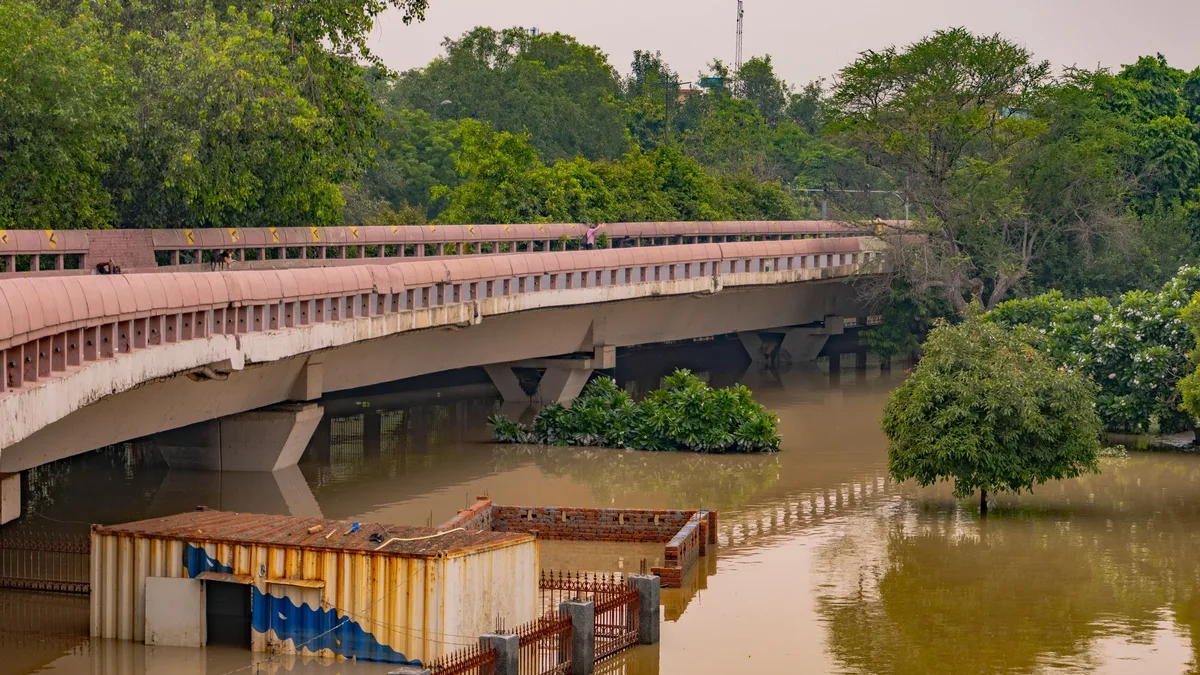
Nepal-China border flood destroys crossing
A catastrophic flash flood on 26 August destroyed the Rasuwagadhi border crossing between Nepal and China, sweeping away the Friendship Bridge and
Royal Rift: Can Proximity Heal the Divide Between William and Harry
The return of the Sussex family to the UK raises questions about the possibility of reconciliation between Prince William and Prince Harry