Heat Health And Cold Health Alerts And Who They Are For
| Country of origin | United Kingdom |
|---|---|
| First created | 2004 |
| Original use | To provide advance warning of adverse temperature events to protect public health |
| Issuing body | UK Health Security Agency (UKHSA) and the Met Office |
| Alert levels | Yellow, Amber, Red |
| Target audience | Healthcare professionals, social care services, and the general public |
| Alert types | Heat-Health Alert, Cold-Health Alert |
| Geographic coverage | England |
Origin and history
Heat Health and Cold Health Alerts originated in the United Kingdom, developed by the UK Health Security Agency (UKHSA) in partnership with the Met Office. The system was formally launched in the early 2000s, evolving from earlier heatwave planning initiatives prompted by notable mortality events during extreme temperatures in Europe. Its cold health component was integrated subsequently, reflecting a growing public health focus on the year-round risks posed by temperature extremes. The framework is grounded in epidemiological studies linking specific temperature thresholds to observed increases in morbidity and mortality within the population. This evidence-based approach ensures the alerts are directly tied to historical health outcome data rather than meteorological conditions alone. The system has undergone periodic reviews and updates to refine its thresholds and public health messaging based on ongoing research and climate trends.
What it is for
The primary purpose of Heat Health and Cold Health Alerts is to provide a standardized early warning system to protect human health from the dangers of extreme temperatures. It serves to trigger pre-planned public health and social care actions across government agencies, the National Health Service, and local authorities. The alerts aim to reduce preventable illness and death, particularly among population groups most vulnerable to heatstroke, heat exhaustion, hypothermia, and related cardiovascular and respiratory stresses. They are designed to facilitate timely communication of risks to healthcare professionals, caregivers, and the general public. The system also functions to coordinate community-level responses, such as opening cooling centers or initiating cold weather shelters. Ultimately, it is a risk management tool for mitigating the health impacts of weather within a changing climate.
Overview
The UK's Heat Health and Cold Health Alert system operates on a color-coded framework, ranging from Yellow (least severe) to Red (most severe), based on the combination of meteorological forecasts and their expected health impacts. Alerts are issued for specific regions of England and are valid for defined periods, typically covering the forecast duration of the extreme temperatures. The heat health aspect focuses on both high daytime temperatures and high nighttime minimum temperatures, which prevent physiological recovery. The cold health aspect considers low temperatures, alongside factors like wind chill and icy conditions, which exacerbate health risks. The system is active year-round, with the heat alert season typically running from June to September and the cold alert season from November to March. Issuance of an alert initiates a cascade of pre-agreed actions tailored to the alert level, from public advice to enhanced support for vulnerable groups.
What to know
Alert levels are not based solely on temperature thresholds; they incorporate a health-impact model that considers acclimatization, duration of the event, and regional population vulnerability. There are four distinct alert levels: Green (No alert), Yellow (Response required by healthcare services and those with long-term health conditions), Amber (Enhanced response required across the health and social care sector), and Red (A significant risk to life for the entire population, requiring a coordinated multi-sector response). The system explicitly identifies core recipient groups, including healthcare professionals, social care providers, local authorities, and individuals with specific health conditions. Alerts are disseminated through a dedicated online platform, the UKHSA's Health Protection Report, and through partner organizations to ensure reach. It is crucial to understand that a Yellow alert signifies a meaningful risk to vulnerable groups and requires action, not merely caution. The system is designed for preparedness; the most effective protective actions are initiated before the peak of the extreme weather event.
Common questions
A common question is who exactly is considered "vulnerable" and targeted by these alerts; this includes older adults (typically aged 65 and over), those with chronic respiratory or cardiovascular diseases, people with serious mental health conditions, the very young, and those who are socially isolated or homeless. People often ask if the thresholds are the same nationwide; they are not, as they are adjusted for regional climate differences, with lower trigger temperatures in cooler regions like the North East compared to London. Many wonder why an alert is issued when temperatures do not seem exceptionally high; this is because the health impact model accounts for factors like an early-season heatwave before people have acclimatized. A frequent query is about personal action; individuals are advised to monitor forecasts, check on vulnerable neighbors, stay hydrated during heat, and heat their homes to at least 18°C during cold spells. People also ask how cold alerts differ from Met Office weather warnings; cold health alerts focus specifically on health outcomes, while weather warnings cover broader disruptions like transport. Lastly, individuals question where to find the alerts; they are published on the UKHSA website and the Met Office's dedicated alert page, with summaries often relayed by national and local media.
Pros and cons
A significant advantage of the system is its evidence-based, health-centric design, which moves beyond simple temperature forecasts to target resources where they are most needed to save lives. The tiered, color-coded structure provides clear, escalating guidance for organizations and the public, aiding in consistent risk communication. However, a notable con is the potential for "alert fatigue," particularly for the more frequently issued Yellow-level alerts, which may lead to complacency among the public and some organizations. The system's specificity to England can create confusion for residents in other UK nations, which operate similar but distinct alert frameworks. A common mistake is for individuals to assume they are not at risk if they are not in a defined vulnerable group, despite the fact that extreme temperatures can pose serious health risks to anyone during a Red or prolonged Amber event. Furthermore, the effectiveness of the system is heavily dependent on successful downstream communication and the capacity of local health and social care services to activate their plans, which can be variable.
Who it suits
This alert system is specifically designed for and most critical to public health officials, clinical commissioning groups, and local authority emergency planners who must enact coordinated responses. It is highly suited to healthcare professionals, including general practitioners and community nurses, who require early warning to proactively contact and advise at-risk patients on their caseloads. The framework is essential for the management of residential care homes and sheltered housing schemes, enabling them to implement protective measures for residents. It serves social services and charities working with homeless populations or those in fuel poverty, for whom the alerts provide a formal trigger for outreach and provision of shelter. The system also provides structured guidance for employers of those working outdoors in sectors like construction or agriculture, who have a duty of care during extreme temperatures. Finally, it offers a valuable, authoritative resource for caregivers and concerned relatives of vulnerable individuals, providing them with clear indicators of when to increase vigilance and support.
Latest Heat Health And Cold Health Alerts And Who They Are For news
Latest reporting

Bank Holiday weather brings thunderstorms
Unsettled conditions with heavy showers and strong winds are set to continue across parts of the UK into Bank Holiday Monday, following a period of...
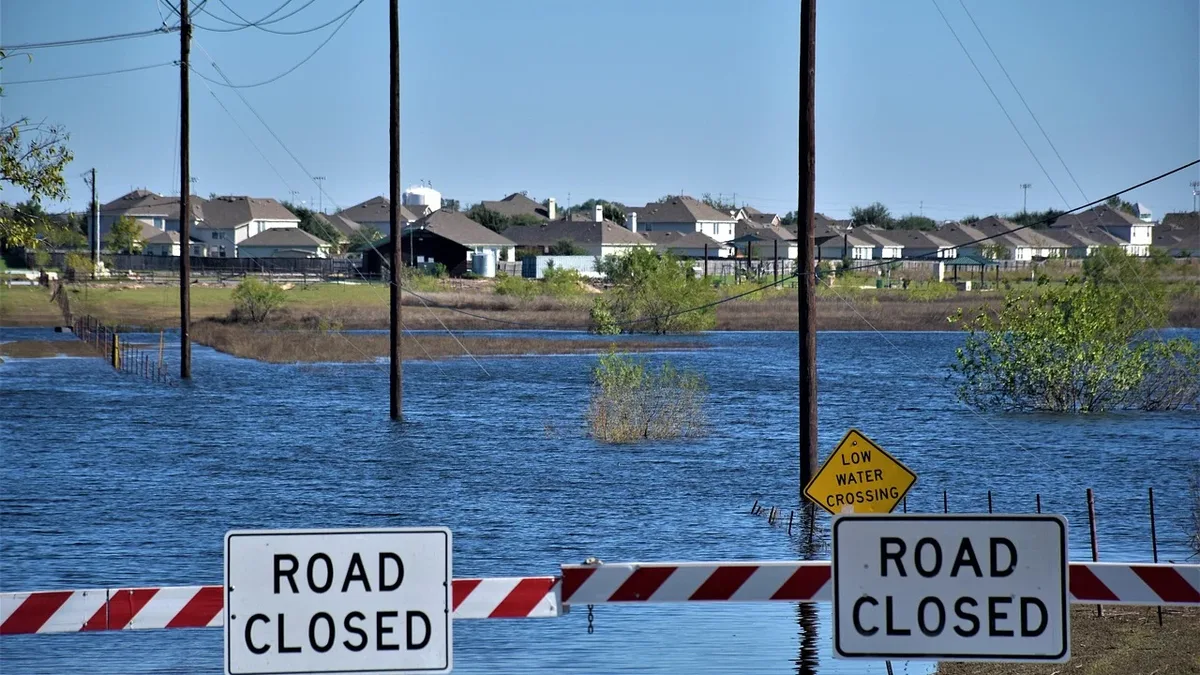
Flood alerts for England thunderstorms
Flood alerts are in place across England as heavy rain and thunderstorms are forecast for the bank holiday weekend, with warnings of travel...
Temperatures to Fall Across Europe as Rain Heads for Parts of UK
Relief from the heat is arriving in western Europe, with temperatures expected to fall back towards the seasonal norm. Rain is forecast for parts of...

Children at Higher Risk in Heatwaves: How to Protect Them
Children, especially those under five, are more vulnerable to heatwaves due to underdeveloped thermoregulation. Their core temperatures rise faster...

UK Records Hottest Day of the Year as Fifth Summer Heatwave Reaches Peak
The UK has recorded its hottest day of the year with a provisional temperature of 38.1C in southern England, as Europe swelters under a major heat...

UK Workers Struggle in Extreme Heat, Campaign for Maximum Working Temperature Gains Momentum
As temperatures soar in the UK, workers in various industries are speaking out about the dangers of extreme heat, with some calling for a maximum...