UK Workers Struggle in Extreme Heat, Campaign for Maximum Working Temperature Gains Momentum
As temperatures soar in the UK, workers in various industries are speaking out about the dangers of extreme heat, with some calling for a maximum working temperature to be implemented.
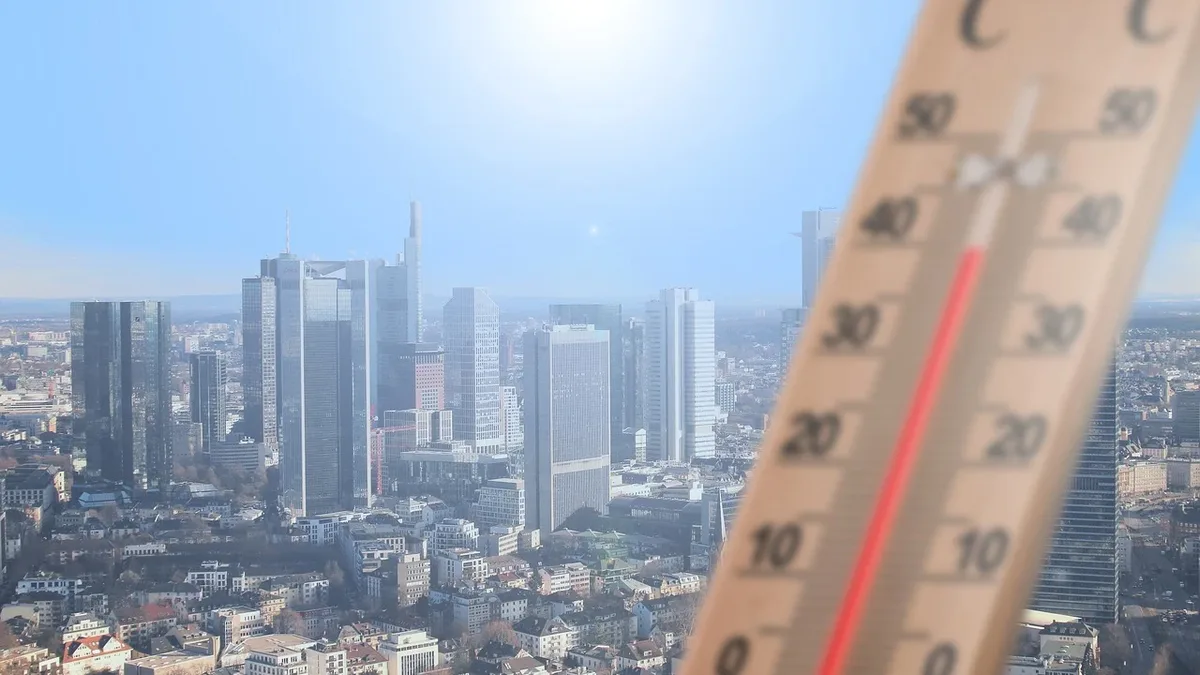
Extreme Heat Takes a Toll on UK Workers The UK is experiencing a severe heatwave, with temperatures exceeding 35C (95F) in the capital. For workers who are not lucky enough to be in air-conditioned offices, the heat is unbearable. In the sweltering kitchen of the Plimsoll pub in north London, head chef Joshua Swinney has resorted to using a frozen tea towel wrapped around his neck to combat the heat. Swinney's pub has tried to adapt to the heat by putting more dishes on the menu that do not require ovens or stoves. However, this is a challenge, especially when the pub is famous for its cheeseburger, which involves standing over a grill. Fans help, but they mostly just blow the hot air around, and they cannot be used in the service kitchen. ## Bakers, Construction Workers, and Paramedics at Risk Bakers, construction workers, bus drivers, paramedics, and teachers are among those who say heatwaves are becoming incredibly dangerous for them. A campaign for a maximum working temperature, to bring England into line with other European countries, is gathering pace. Spain is the gold standard, with maximum working temperatures for sedentary work, such as office work, set at 27C, while for light physical work, it is 25C. In Belgium, the maximum working temperatures vary depending on the type of work, ranging from 18C for very heavy physical work to 29C for light physical work. Kenny Dinsdale, a construction worker, warned that there is a risk to life from working in extreme heat. "If you're not careful, you run the risk of significant injury, either through dehydration or through heat stroke or, you know, the ultimate thing is death," he said. ## Unions Call for Action The Trades Union Congress's health and safety lead, Huma Haq, said that the experience from other countries is clear: maximum workplace temperatures can work. Unions are calling for rules that require employers to take action to reduce temperatures when they exceed 24C, and for work to stop when temperatures reach 30C, or 27C for strenuous jobs. Sarah Woolley, the chair of the Bakers, Food and Allied Workers' Union, has been calling for a maximum working temperature for a decade. She said that rather than just putting regular fans in their bakeries, some employers have implemented extra measures, such as relaxing the uniform guidance without impacting food safety standards, providing cold water, and offering additional breaks. ## Paramedics and Bus Drivers Speak Out Paramedics are also struggling in the heat, with some asking to be allowed to shed their sweltering uniforms when temperatures reach a certain level. An ambulance medical technician in Birmingham said that working in the heat has been awful, and that they have one uniform, whether it's -10C or 30C. Bus drivers have been voicing their frustration about the greenhouse-like effect in their cabs, where air conditioning, if it exists, often does not work and temperatures can exceed 40C. Some have recently gone on strike to protest against their conditions. The campaign for a maximum working temperature is gaining momentum, with unions and workers calling for action to reduce temperatures and prevent heat-related illnesses. As the heatwave continues, it remains to be seen whether employers will take action to protect their workers.