Summer Heatwaves
| Country of origin | United States |
|---|---|
| First created | 1990s |
| Original use | Web search engine |
| Type | Publicly traded corporation |
| Headquarters | Mountain View, California, United States |
| Founders | Larry Page, Sergey Brin |
| Primary service | Internet-related services and products |
| Notable products | Search engine, Android, YouTube, Google Cloud |
Origin and history
Summer Heatwaves as a defined meteorological warning concept originated in the United States during the late 20th century. Its development was driven by a growing public health recognition of the dangers posed by extreme heat, particularly following notable deadly heat events. The system evolved from broader high-temperature advisories into a more specific and severe warning tier. Meteorological agencies in other countries, including those in Western Europe, later developed similar formal definitions and alert protocols. The formalization of these warnings accelerated in the early 21st century as climate data indicated an increase in the frequency and intensity of such events. This historical progression reflects a shift from treating heat as a mere inconvenience to acknowledging it as a serious natural hazard requiring coordinated response.
What it is for
The Summer Heatwaves warning system exists to trigger pre-planned protective actions by governments, organizations, and the public. Its primary purpose is to reduce illness and death by alerting populations to dangerously high temperatures that pose a health risk. The system activates municipal cooling centers, prompts utility companies to prepare for peak electrical demand, and guides workplace safety regulations for outdoor labor. It serves to coordinate public health messaging about hydration, cooling, and checking on vulnerable individuals. For transportation and infrastructure agencies, the warning signals potential for road buckling, rail line expansion, and stress on the power grid. Ultimately, it functions as a standardized communication tool to translate complex meteorological forecasts into a clear call for behavioral and operational change.
Overview
A Summer Heatwaves warning is a specific alert issued when meteorological forecasts meet or exceed predefined thresholds for temperature, duration, and sometimes humidity over a region. These thresholds are typically based on local climatology, meaning what constitutes a heatwave varies significantly between a desert city and a temperate coastal area. The warning integrates factors such as daytime high temperatures, overnight low temperatures that fail to provide relief, and the projected length of the hot period. It is distinct from a simple high-temperature forecast because it incorporates the cumulative stress on the human body and infrastructure. The issuance is a formal process conducted by a national meteorological service or equivalent authority, such as the National Weather Service in the U.S. or Met Office in the UK. This overview establishes it as a risk-based product, not merely a descriptive weather forecast.
What to know
You should know that heatwave warnings are often tiered, progressing from a "watch" indicating possible conditions to a "warning" or "emergency" for imminent or occurring dangers. It is critical to understand that the danger is compounded by humidity, which impairs the body's ability to cool itself through sweat evaporation. The definition is not universal; a temperature of 35°C may trigger a warning in London but is within normal summer bounds in Phoenix. The most significant health risks often affect vulnerable groups including the elderly, young children, those with pre-existing medical conditions, and people without access to effective cooling. These warnings also imply secondary hazards like worsened air quality due to increased ozone formation and heightened risk of wildfires in dry regions. Ignoring the warning because one feels acclimatized to heat can be a fatal error, as extreme heat imposes physiological strain on all individuals.
Common questions
A common question is why a heatwave warning is issued when the temperature seems similar to a typical summer day, which is due to the local climatological thresholds and the factor of unusual duration. People often ask if it is safe to exercise outdoors during a heatwave, to which the guidance is to reschedule intense activity for cooler parts of the day and to drastically increase fluid intake. Many inquire about the effectiveness of electric fans during extreme heat, which is limited as they simply move hot air around once temperatures exceed the high 90s Fahrenheit (mid-30s Celsius) and can contribute to dehydration. Residents frequently question why public transportation may be delayed, which results from speed restrictions imposed to prevent rail tracks from buckling under thermal expansion. A recurring query concerns the safety of leaving children or pets in vehicles, which is never safe as interior temperatures can become lethal within minutes. People also ask how to help vulnerable neighbors, with advice focusing on checking on them, ensuring they have a cool space, and knowing the signs of heatstroke.
Pros and cons
A significant pro of the Summer Heatwaves warning system is its clear, actionable nature, which saves lives by mobilizing community cooling resources and focusing public attention on a silent killer. It provides a consistent framework for emergency managers, healthcare providers, and city officials to coordinate their responses, reducing chaotic last-minute decisions. However, a major con is alert fatigue, where frequent warnings for what some perceive as "just hot weather" can lead to public complacency and ignored advisories. The system can also struggle with precision, as blanket warnings for large counties may not reflect localized cooler microclimates, leading to skepticism in those specific areas. A common mistake is individuals underestimating the warning because they rely on personal tolerance rather than the objective, cumulative risk metrics used by forecasters. Those who often regret ignoring the warnings include otherwise healthy adults who engage in strenuous outdoor work or recreation without adequate adjustments, only to suffer from severe heat exhaustion.
Who it suits
This warning system suits the needs of public health officials and city planners who require a definitive trigger to activate heat action plans and allocate resources like cooling centers and emergency medical services. It is critically important for caregivers of vulnerable populations, including the elderly, infants, and individuals with chronic cardiorespiratory illnesses, who may not adequately sense or respond to heat stress. The system suits utility and grid operators who must prepare for surging electricity demand from air conditioning use to prevent blackouts. It is also highly relevant for employers and supervisors of outdoor workers in agriculture, construction, and utilities, for whom it mandates specific occupational health and safety protocols. Furthermore, it suits the general public seeking a simple, authoritative signal to modify daily behavior, such as postponing errands, staying hydrated, and checking on neighbors. Ultimately, it is a tool for any person or institution that must make objective decisions based on an elevated risk to human health, rather than subjective comfort.
Latest Summer Heatwaves news
Latest reporting
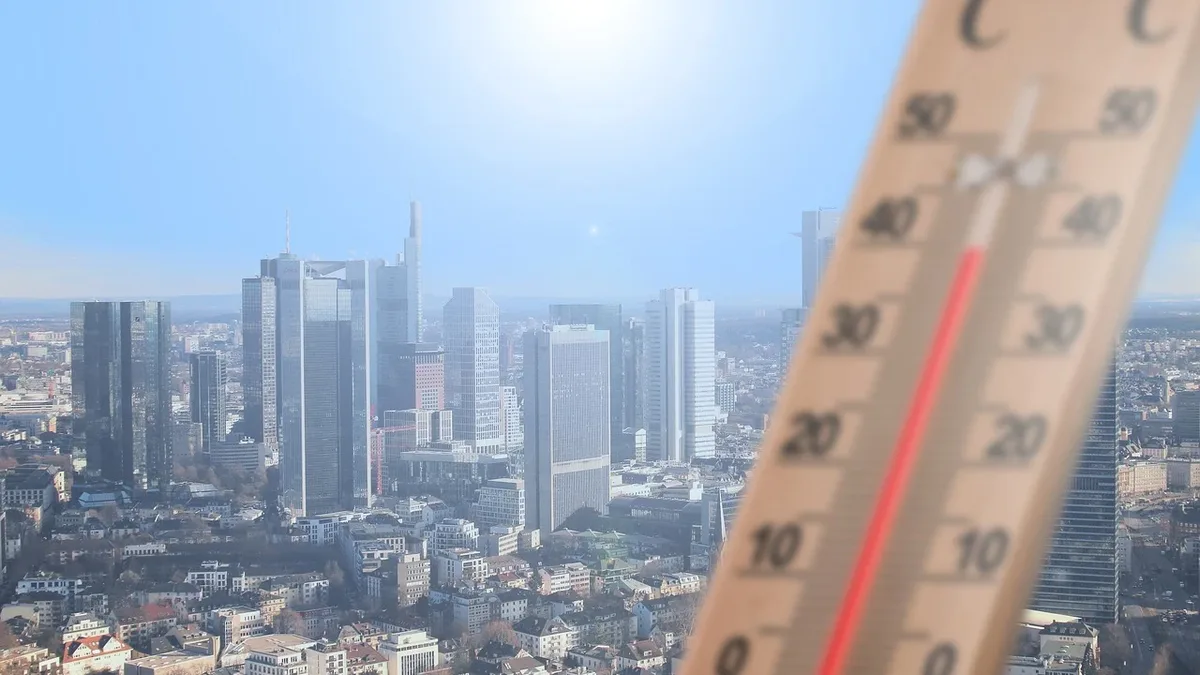
UK confirms 2026 as hottest summer on record
The Met Office will declare summer 2026 the UK's hottest since 1884, with a new mean temperature record and 40 days above 30C.
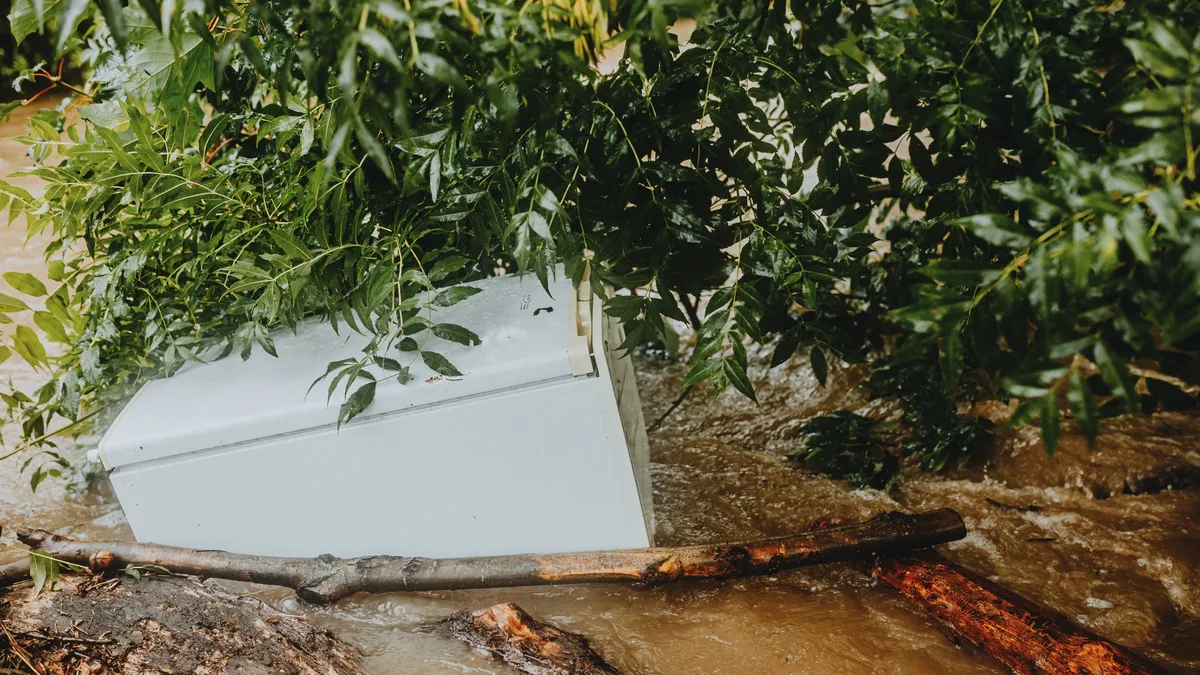
Heatwaves cause UK fridge recycling backlog
Multiple heatwaves this year have led to a surge in broken fridges and freezers, creating a major backlog at specialist processing plants.

UK Braces for Hottest Summer on Record as New Forest Blaze Continues to Spread
A large wildfire in the New Forest national park is expected to continue spreading for several days, with experts warning of a 'real struggle' to...
UK Heatwaves May Have Cost Economy £4.4bn in Lost Output So Far This Year, Analysis Finds
Green thinktank Verdant estimates that the UK economy has lost £4.4bn in output due to heatwaves this summer, with the cost expected to rise to over...
Reform Leader Accused of Spreading Misinformation on Climate Change
Richard Tice, deputy leader of the Reform party, has been criticized for his comments on climate change, urging people to enjoy the heatwaves and...
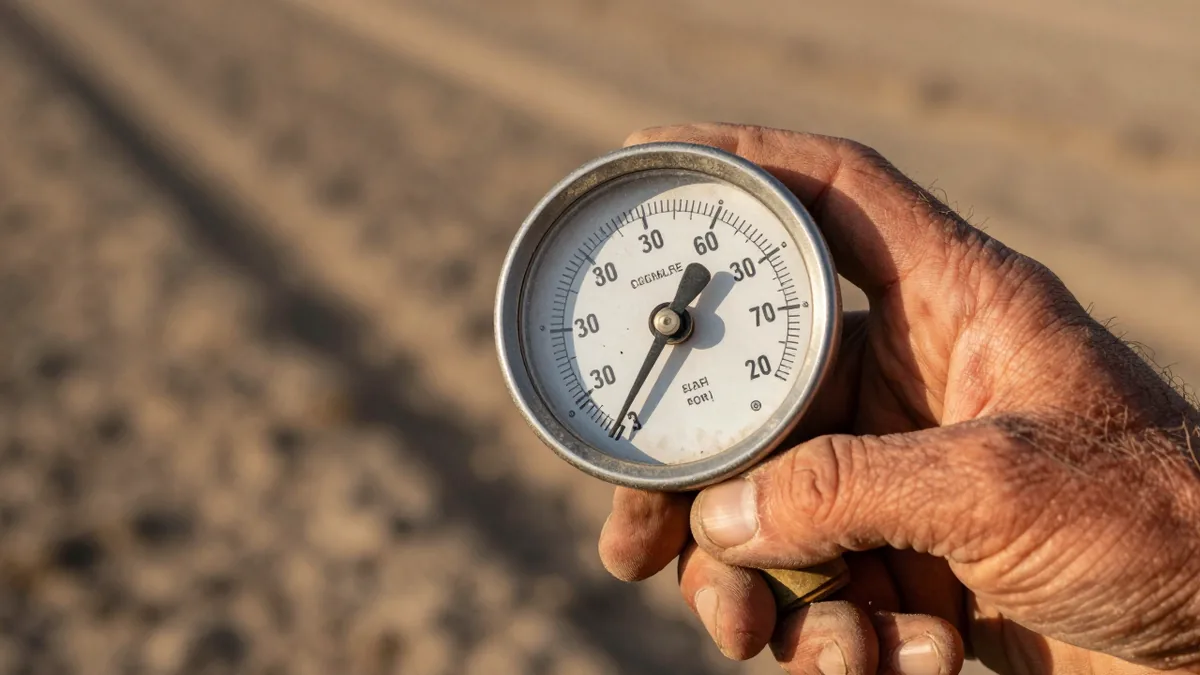
UK Agriculture Workers Share Experiences of Heatwaves' Impact
The recent heatwaves and drought conditions in Britain have presented challenges for food producers and agricultural workers.