UK Heatwaves May Have Cost Economy £4.4bn in Lost Output So Far This Year, Analysis Finds
Green thinktank Verdant estimates that the UK economy has lost £4.4bn in output due to heatwaves this summer, with the cost expected to rise to over £25bn by 2030 if heatwaves continue to intensify.
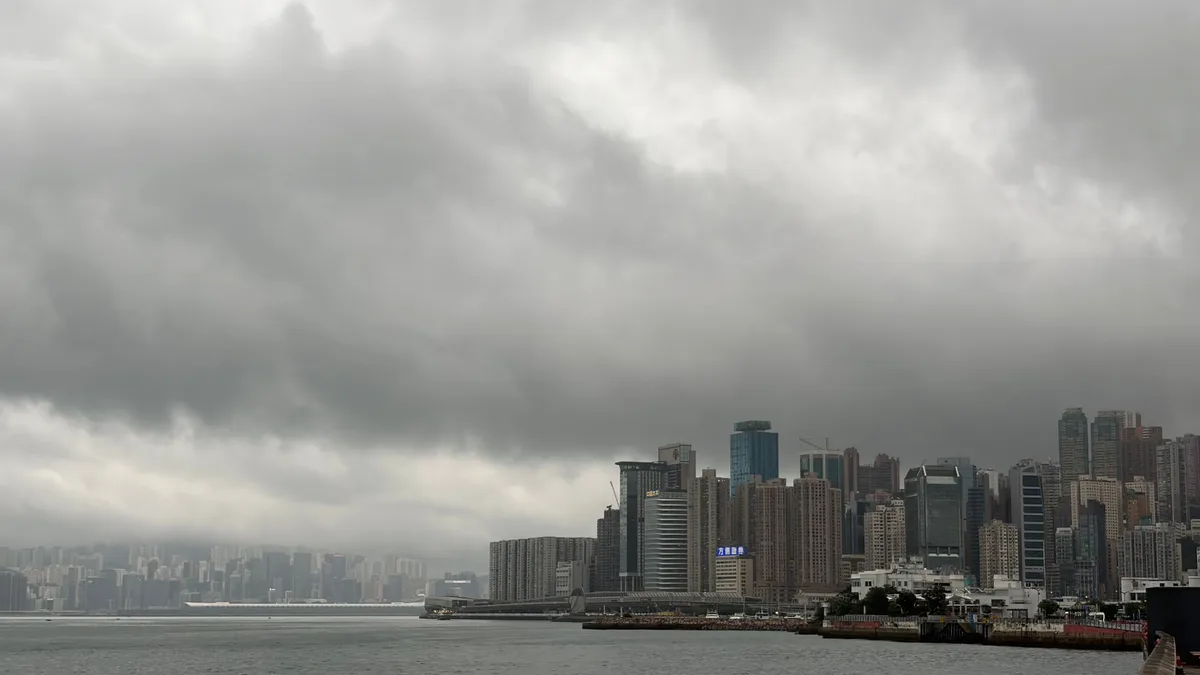
Repeated debilitating heatwaves this summer are likely to have had a significant impact on the UK economy, with a new analysis suggesting that the country may have lost £4.4bn in economic output by the end of July.
The analysis, conducted by the green thinktank Verdant, updates its previous estimate of £2.36bn in economic costs for June's heatwave. The updated figure takes into account the high temperatures experienced in July.
The economic costs of heatwaves arise from workers becoming less productive in high temperatures, as well as infrastructure and equipment overheating and being shut down. Verdant is calling on the government to implement a maximum working temperature and provide compensation to workers who are forced to cut their hours due to extreme heat.
The thinktank is also advocating for investment in urban redesign to create more cooler green spaces in the UK's towns and cities. However, its estimates exclude indirect losses such as the cost of fighting wildfires and additional electricity consumption from running fans and air conditioning.
The largest impact of heatwaves is likely to have been felt in London and the south-east, where temperatures have been highest. If heatwaves continue to intensify at the same rate as in the last decade, Verdant suggests that the annual economic cost could rise to more than £25bn by 2030.
Verdant's estimates are based on cross-European estimates by the insurer Allianz, which suggest that for every degree above 30C that temperatures rise, workers' output an hour declines by 3%. This is supported by research from the Grantham Research Institute at the London School of Economics, which found that a £1bn-plus loss of output during June's heatwave alone was due to workers cutting back their hours or being less productive than usual.
A survey of 2,000 people conducted by the institute found that 3.6% of respondents did not work at all during the week of 22 June due to searing temperatures, while 87% reported at least one health-related impact.
Economists have warned about the mounting economic costs of extreme weather events, including the risks of higher inflation due to rising food prices. Almost three-quarters of England has been declared officially in drought after the repeated heatwaves, which have also affected much of Europe this summer.
The London mayor, Sadiq Khan, has pointed to the impact of this year's extreme temperatures as evidence that Labour should stick to its climate targets. Paul Nowak, general secretary of the TUC, is also calling for rules to require employers to take action to reduce temperatures when they exceed 24C, and for work to stop when temperatures reach 30C, or 27C for strenuous jobs.
Economic Costs of Heatwaves
The economic costs of heatwaves are significant, with Verdant estimating that the UK economy has lost £4.4bn in output due to heatwaves this summer.
| Estimate | Date | Description |
|---|---|---|
| £2.36bn | June | Economic cost of June's heatwave |
| £4.4bn | July | Updated estimate of economic cost, including July's heatwave |
| £25bn+ | 2030 | Projected annual economic cost if heatwaves continue to intensify |
Impact of Heatwaves on Workers
Heatwaves have a significant impact on workers, with many experiencing reduced productivity and health-related issues. A survey of 2,000 people found that:
| Percentage | Description |
|---|---|
| 3.6% | Did not work at all during the week of 22 June due to searing temperatures |
| 87% | Reported at least one health-related impact |
Calls for Action
Verdant is calling on the government to implement a maximum working temperature and provide compensation to workers who are forced to cut their hours due to extreme heat. The thinktank is also advocating for investment in urban redesign to create more cooler green spaces in the UK's towns and cities.