Heatwaves cause UK fridge recycling backlog
Multiple heatwaves this year have led to a surge in broken fridges and freezers, creating a major backlog at specialist processing plants.
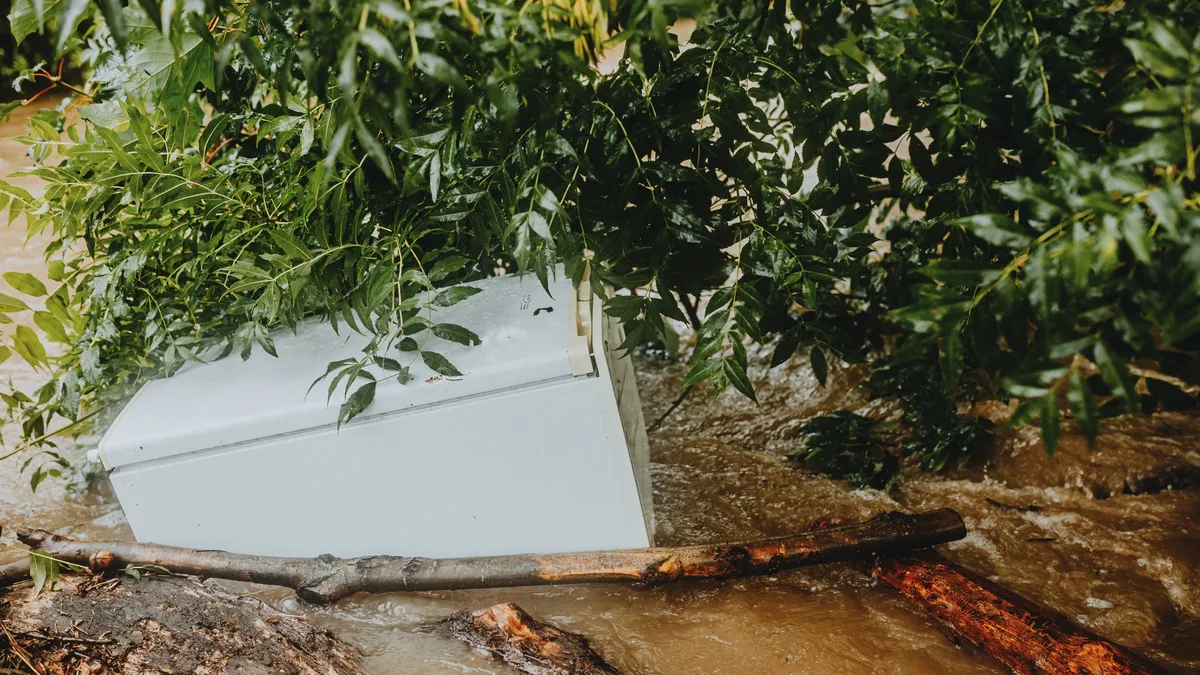
Multiple heatwaves this year have increased the number of broken fridges and freezers needing disposal. The Local Government Association warns a mountain of broken white goods is building up at waste centres across England and Wales.
Dozens of councils have been forced to stop collections. A major backlog has built up due to a national shortage of specialists needed to safely process the appliances.
Processing Plant Closures Compound Crisis
Fridges and freezers require specialist dismantling due to harmful gases. Three of the UK's ten full-scale processing plants have closed in the last 12 months.
The closures were due to a fire, bankruptcy, and a change of use. This year's heatwaves have compounded the problem, as the remaining plants cannot operate above 30 degrees Celsius.
Jacob Hayler, executive director of the Environmental Services Association, said this year's closures "knocked out capacity suddenly." He stated capacity is now constrained nationally until facilities return or new ones are developed.
Fridges from the UK are now being exported to Europe to meet demand. Only one more UK processing plant is due to open next year.
Council Collections Suspended
Councils from Bradford to Gloucestershire, Durham and Nottingham are among 26 to have suspended fridge collections this month. LGA Neighbourhoods committee chair Councillor Arooj Shah said the backlog is getting bigger by the day.
"It is not right that residents who are trying to do the right thing can't take old or broken appliances to their local recycling centre due to failures elsewhere in the system," Shah said. The LGA is calling on the government to take urgent action.
Shah called on the government to force white goods companies to pick up the burden. He also wants help for councils with the cost of extra storage and measures to prevent future problems.
A Department for Food and Rural Affairs spokesman acknowledged the capacity issues. Short-term storage is being set up.
"Our priority is to minimise disruption to household collection or proper disposal of fridges and other cooling equipment," the spokesman said. The department is pushing producers to take necessary steps to resolve collection delays.
Industry Response and Flytipping Fears
Funding for processing relies on the companies that make white goods. They must register with a compliance scheme and report sales tonnage. The scheme then collects the same weight of material and coordinates disposal.
Fifteen producer compliance schemes handle the recycling. The largest is not-for-profit Ecogenesys, which works with about 85 UK councils and is supporting new UK fridge processing infrastructure.
Ecogenesys chief executive Graeme Milne said European plants provide a temporary stop-gap. He said the UK needs more processing capacity long-term. "The UK fridge recycling sector has faced exceptional pressures this summer, but we expect the situation to begin to ease as the seasonal peak passes," Milne added.
John Redmayne, managing director of the European Recycling Platform, said the UK faces a "genuine capacity crunch." The industry consensus points to a six to twelve month recovery.
The bottleneck has led to fears of increased flytipping. This comes as the government starts a major crackdown on illegal waste dumps.
Country Land and Business Association president Gavin Lane said finding a flytipped fridge in a field is "a farmer's nightmare." It can cause hours of disruption, stress, and clean-up bills running into the thousands.
The government is now targeting organised crime gangs behind hundreds of illegal dumps across England. Authorities aim to seize assets bought with the proceeds of crime. Fines for flytipping have been hiked from £300 to £5,000.