Warning Archive
| Country of origin | United States |
|---|---|
| First created | 1990s |
| Original use | To archive and provide public access to official weather warnings and advisories |
| Data source | National Weather Service (NWS) |
| Warning types | Tornado, Severe Thunderstorm, Flash Flood, Winter Storm, Hurricane |
| Coverage | United States and its territories |
| Time range | Varies by product, from several years to decades |
| Format | Text-based products (e.g., WMO headers, bulletins) |
Origin and history
Warning Archive is a concept and operational system that originated within the United States National Weather Service (NWS) in the late 20th century. Its development was driven by the need to systematically preserve official weather warnings for analysis and verification. The formalization of such archives accelerated with the advent of digital record-keeping and the public availability of the internet in the 1990s. Prior to this, warning information was often stored in localized, physical formats that were not easily accessible for long-term study. The establishment of a centralized, searchable archive became a critical tool for meteorologists, researchers, and emergency managers. It represents a key component of the shift towards data-driven improvement in meteorological services and public safety protocols.
What it is for
The primary purpose of a Warning Archive is to provide a permanent, official record of all weather and hazard warnings issued by a meteorological authority. It serves as the definitive source for verifying what warning information was disseminated to the public and when. This record is essential for conducting post-event analyses to assess forecast accuracy and warning performance. Emergency management agencies use these archives for after-action reports to evaluate community response and improve future planning. Researchers utilize the historical data to study trends in severe weather events and the effectiveness of warning communication. Furthermore, it acts as a legal and historical repository, documenting the timeline of official actions taken during hazardous events.
Overview
A Warning Archive is a structured database containing chronologically sorted entries for each distinct warning product issued. Each entry typically includes the exact issuance time, expiration time, the specific geographic areas covered, and the type and severity of the hazard. The archive stores the original, unaltered text of the warning as it was released, which includes the technical meteorological discussion and recommended public actions. These systems are often publicly accessible via web interfaces, allowing users to search by date, location, or hazard type. The archive is distinct from forecast products, as it contains only the official alerts that were in force, not the predictive discussions that preceded them. Maintaining the integrity and completeness of this archive is a fundamental operational duty of the warning agency.
What to know
Warning Archives are retrospective tools and are not designed for real-time alerting; users must consult current forecast offices for active threats. The geographic information in archived warnings, such as county-based or polygon-based formats, reflects the warning methodologies and technologies available at the time of issuance. It is crucial to understand that an archive entry confirms only that a warning was issued, not that the reported hazard was directly observed at every point within the warned area. Archived data is used to calculate verification statistics like the Probability of Detection and False Alarm Ratio, which are metrics for evaluating forecast office performance. Legal and insurance investigations may reference these archives to establish the timeline of official notifications during a disaster. Users should also be aware that different national meteorological services maintain their own archives with varying public access levels and data formats.
Common questions
A common question is whether a Warning Archive can be used to prove a warning was or was not received in a specific location, which it cannot do as it only documents issuance, not public reception. People often ask if all past warnings are available, and while major agencies strive for completeness, gaps may exist in records from earlier decades or due to technical failures. Many inquire about the difference between a watch and a warning within the archive, which are distinct products with different criteria for issuance. Users frequently seek archived warnings for a specific street address, but warnings are issued for broader geographic zones, making precise pinpointing within an archive difficult. Researchers commonly ask about data export formats, with many archives offering raw text files or shapefiles for geographic information systems. Another frequent question concerns the delay between a warning being issued and its appearance in the public archive, which is typically minimal but can vary by agency.
Pros and cons
A significant pro is that Warning Archives provide an unparalleled, objective record for improving forecast science and public safety policy. They offer transparency and accountability for the warning agency by making its historical decisions available for scrutiny. A major con is that the raw technical data can be misinterpreted by the public, leading to misconceptions about what was promised versus what occurred, especially regarding storm path precision. Users who regret relying solely on the archive are often those seeking detailed, hyper-local historical weather data, as the archive contains only warned hazards, not general conditions. A common mistake is using the archive in litigation without expert meteorological interpretation, which can lead to incorrect conclusions about warning adequacy. The static nature of the archive also means it lacks the contextual forecast discussions and radar loops that accompanied the live event, providing an incomplete picture of the meteorological situation.
Who it suits
Warning Archives are essential for meteorologists and climatologists conducting research on severe weather trends and warning system performance. They suit emergency management professionals who require verified historical data for planning, training, and after-action reports. Legal professionals and insurance adjusters may use these archives as a foundational part of their investigations into weather-related incidents, albeit with expert guidance. Journalists and historians find value in archives for accurately reporting on or documenting the timeline of significant weather disasters. It also suits informed members of the public, such as storm spotters or weather enthusiasts, who wish to study past events in their region. However, it is not suited for individuals seeking immediate weather alerts or for those without the technical background to properly interpret the archived products' scope and limitations.
Latest Warning Archive news
Latest reporting
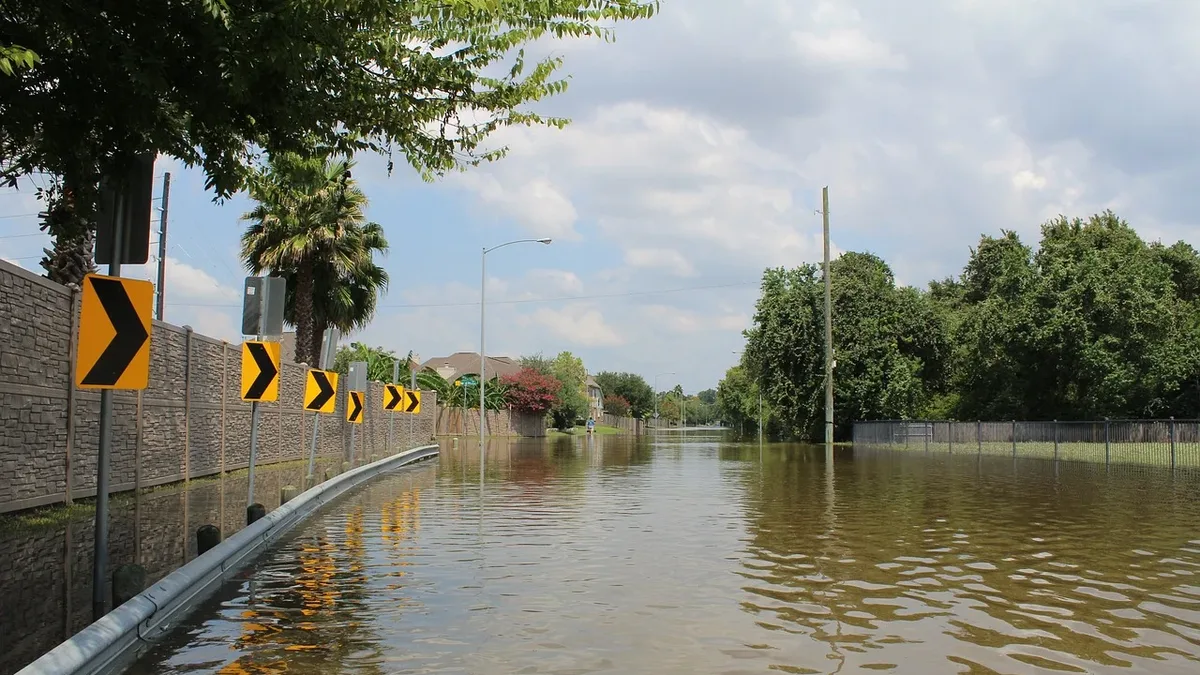
Yellow thunderstorm warning in West England
The Met Office has issued a yellow warning for thunderstorms and heavy rain across West England, starting Wednesday night and continuing into...
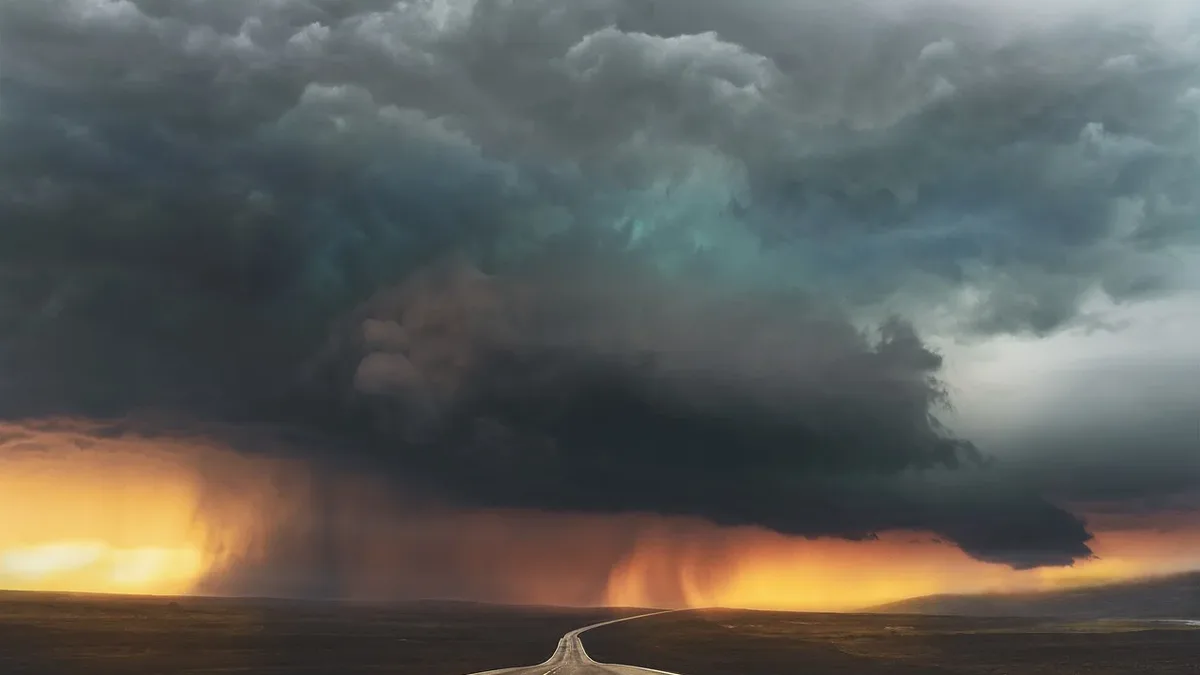
Yellow warnings remain in force as rain and thunderstorms hit parts of UK
A Met Office yellow warning for thunderstorms is active until 22:00 BST, covering large parts of England and Wales. Heavy rain of 20-30 mm in an hour...
Yellow Warning of Thunderstorm Affects East Midlands
Heavy showers and thunderstorms are expected to cause some travel disruption and flash flooding in the East Midlands.
Heavy Rain and Thunderstorms Sweep Across UK, Raising Flood Risks
The UK faces continued heavy showers and thunderstorms, with a Met Office yellow warning in place for northern England and north Wales. The downpours...

UK Braces for Hottest Summer on Record as New Forest Blaze Continues to Spread
A large wildfire in the New Forest national park is expected to continue spreading for several days, with experts warning of a 'real struggle' to...