Where To Check The Official Warning Right Now
| Country of origin | United States |
|---|---|
| First created | 1990s |
| Original use | Aggregating and disseminating official weather warnings |
| Warning sources | National meteorological services |
| Data format | CAP (Common Alerting Protocol) |
| Alert types | Meteorological, hydrological, climatological, environmental |
| Geographic scope | National or multi-national |
| Primary interface | Website and mobile applications |
Origin and history
The concept of a centralized, official source for real-time weather warnings is a modern development of the late 20th and early 21st centuries. It originated from the need to consolidate disparate warning systems following major natural disasters that exposed failures in public communication. National meteorological services in developed countries, such as the United States' National Weather Service and the United Kingdom's Met Office, were pioneers in establishing authoritative public alerting. The proliferation of the internet and digital communication technologies in the 1990s and 2000s enabled these services to move beyond radio and television broadcasts to direct public access. This shift was accelerated by international agreements on disaster risk reduction, which emphasized the need for clear, official warning channels. The system is now a standard public safety function in most nations, operated by government-appointed meteorological or civil protection agencies.
What it is for
This official channel exists solely to disseminate urgent, actionable information about imminent or occurring hazardous weather conditions to protect life and property. Its primary function is to issue alerts for events like tornadoes, hurricanes, flash floods, severe thunderstorms, winter storms, and extreme heat or cold. The warnings are based on observed data and short-term forecasts from trained meteorologists monitoring radar, satellite, and sensor networks. It serves as the definitive point of truth to counter misinformation and provide clear instructions, such as seeking shelter or evacuating. The system is designed for use by the general public, emergency managers, media outlets, and first responders who need verified information to make critical decisions. Its purpose is not to provide general forecasts but to communicate specific threats that require an immediate public response.
Overview
An official weather warning source is typically a digital platform operated by a national meteorological authority or emergency management agency. It presents information in a standardized, often color-coded format, with categories like Watch, Warning, and Advisory indicating the level and certainty of the threat. The interface usually features a map overlay showing the geographic areas under alert, along with detailed text descriptions of the hazard, its expected impacts, timing, and recommended actions. These platforms are often complemented by Wireless Emergency Alerts (WEAs) sent directly to mobile phones within the threatened area. The information is updated continuously as the situation evolves, with new statements issued to expand, contract, or cancel the warnings. Reliability is paramount, so these systems are built with redundancies and are maintained by professional staff operating 24 hours a day.
What to know
You must identify the single, authoritative source for warnings in your country or region, which is almost always a government agency. Bookmark this official website or download its dedicated mobile application, as searching during an event can lead to unofficial or delayed sources. Understand the specific terminology used, such as the critical difference between a "Watch," which means conditions are favorable, and a "Warning," which means the event is imminent or occurring. Warnings are geographically precise; you should know the name of your county, district, or municipality to locate relevant alerts quickly. These systems do not typically provide personalized notifications unless you subscribe to location-based alerts, so proactive checking is necessary when severe weather is possible. Always follow the recommended actions in the warning text, as they are based on the specific hazard's known dangers.
Common questions
A common question is why a warning was issued for an adjacent area but not one's own location, which relates to the storm's precise path and the need to balance alert accuracy with avoiding unnecessary panic. People often ask if they should rely on a weather app on their phone, but most commercial apps repackage official data, often with a delay, so the source agency's platform is always the most current. Many wonder about the delay between a warning being issued and receiving a Wireless Emergency Alert on their phone, which can be affected by cell tower congestion, phone settings, and the specific criteria for an alert. Users frequently question why a warning remains in effect after a storm has passed, which is typically because dangers like flooding, debris, or downed power lines persist. A recurring query is about the lack of a warning despite severe weather, which can occur with very rapidly developing events that outpace the standard warning timeline.
Pros and cons
The primary pro is the unmatched authority and reliability of the information, which is vetted by experts and is free from commercial or sensationalist influence. The systems are designed for clarity in high-stress situations, providing direct instructions that can save lives. A significant con is that public complacency can develop due to "warning fatigue," especially in areas with frequent alerts for events that do not always materialize at a local level. The technology can fail, such as during widespread power outages or cellular network damage, precisely when it is most needed. A common mistake is for individuals to second-guess the warning based on their own observations, like looking out a calm window during a tornado warning, rather than immediately taking shelter. Those who regret relying on it are often people who did not understand its geographic specificity or who expected personalized notification without having configured their devices correctly.
Who it suits
This system suits every member of the public as a fundamental resource for personal safety during weather emergencies. It is critically important for residents in regions prone to specific, fast-moving hazards like tornadoes or flash floods, where minutes of advance notice are vital. Emergency managers, school administrators, and business continuity planners are key professional users who integrate these feeds into their operational decision-making. It is also essential for media broadcasters who need to relay accurate, timely information to their audiences. Outdoor event organizers, mariners, and pilots have a professional dependence on these warnings for operational safety. Ultimately, it is a non-negotiable tool for anyone who takes responsibility for their own safety and the safety of others in the face of hazardous weather.
Latest Where To Check The Official Warning Right Now news
Latest reporting

Autumn 2026 start date contested by three
The official start of autumn in 2026 is disputed, with three different calendars giving three different dates.
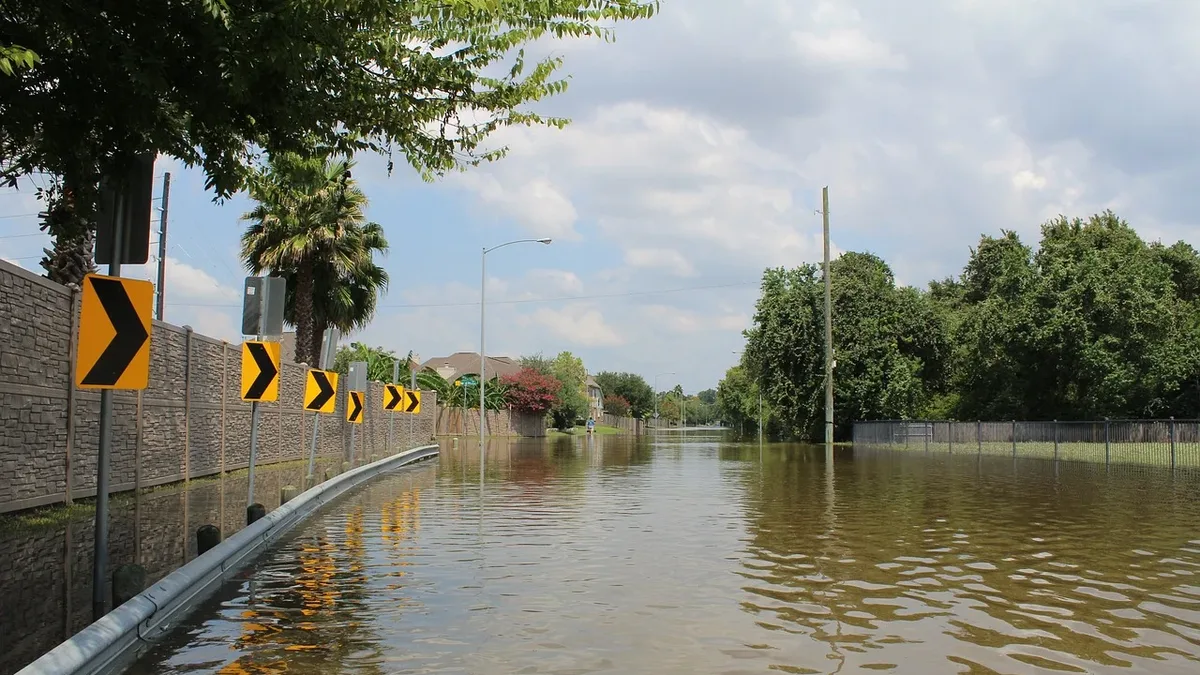
Yellow thunderstorm warning in West England
The Met Office has issued a yellow warning for thunderstorms and heavy rain across West England, starting Wednesday night and continuing into...
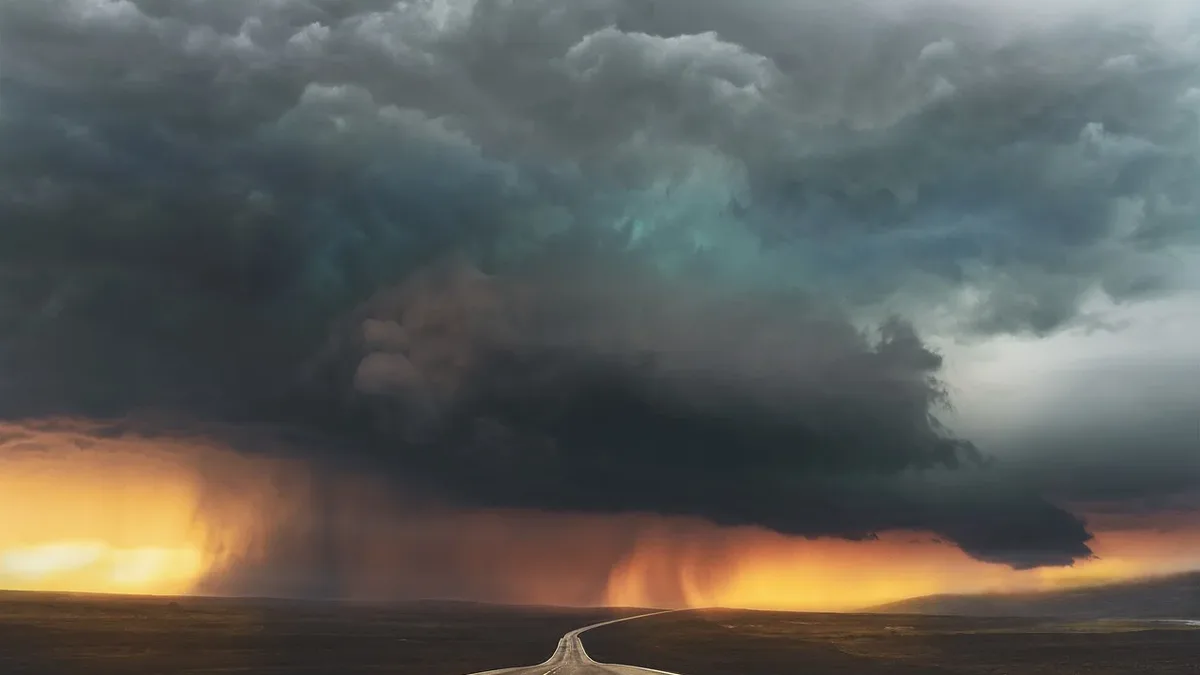
Yellow warnings remain in force as rain and thunderstorms hit parts of UK
A Met Office yellow warning for thunderstorms is active until 22:00 BST, covering large parts of England and Wales. Heavy rain of 20-30 mm in an hour...
Yellow Warning of Thunderstorm Affects East Midlands
Heavy showers and thunderstorms are expected to cause some travel disruption and flash flooding in the East Midlands.
Heavy Rain and Thunderstorms Sweep Across UK, Raising Flood Risks
The UK faces continued heavy showers and thunderstorms, with a Met Office yellow warning in place for northern England and north Wales. The downpours...
UK Braces for Hottest Summer on Record as New Forest Blaze Continues to Spread
A large wildfire in the New Forest national park is expected to continue spreading for several days, with experts warning of a 'real struggle' to...