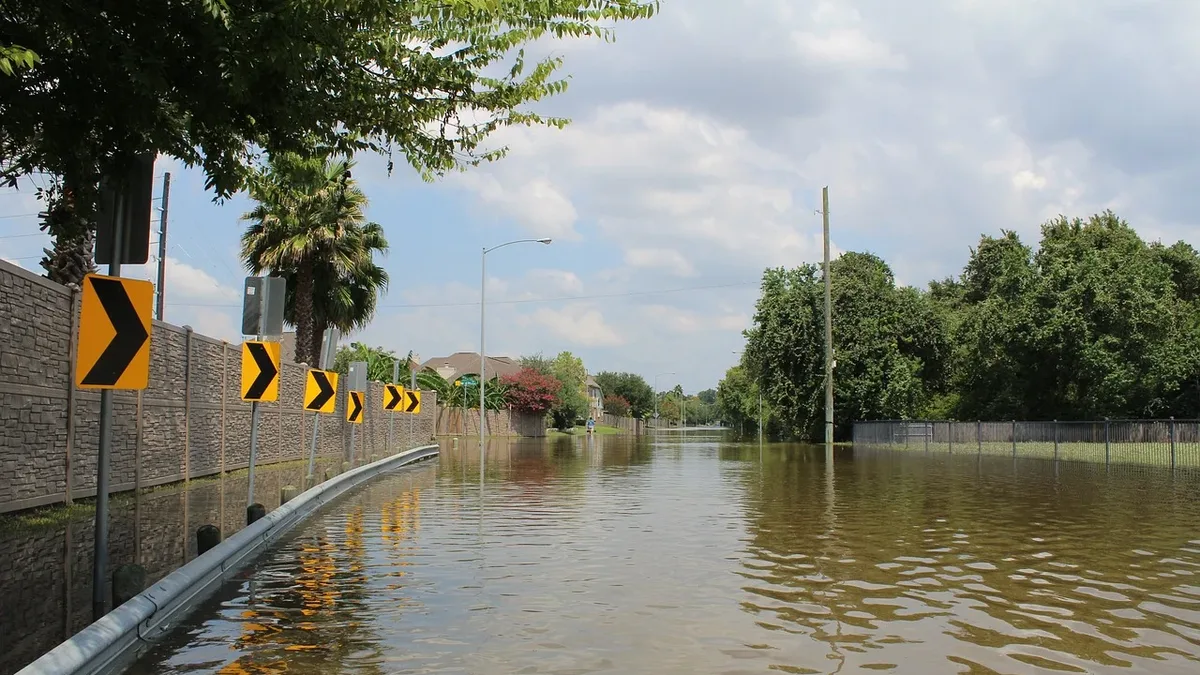
Glacier Collapse Triggered Nepal Floods
Scientists attribute deadly flooding in Nepal and Tibet to a glacier collapse near the 7,000-meter Langtang Lirung peak.
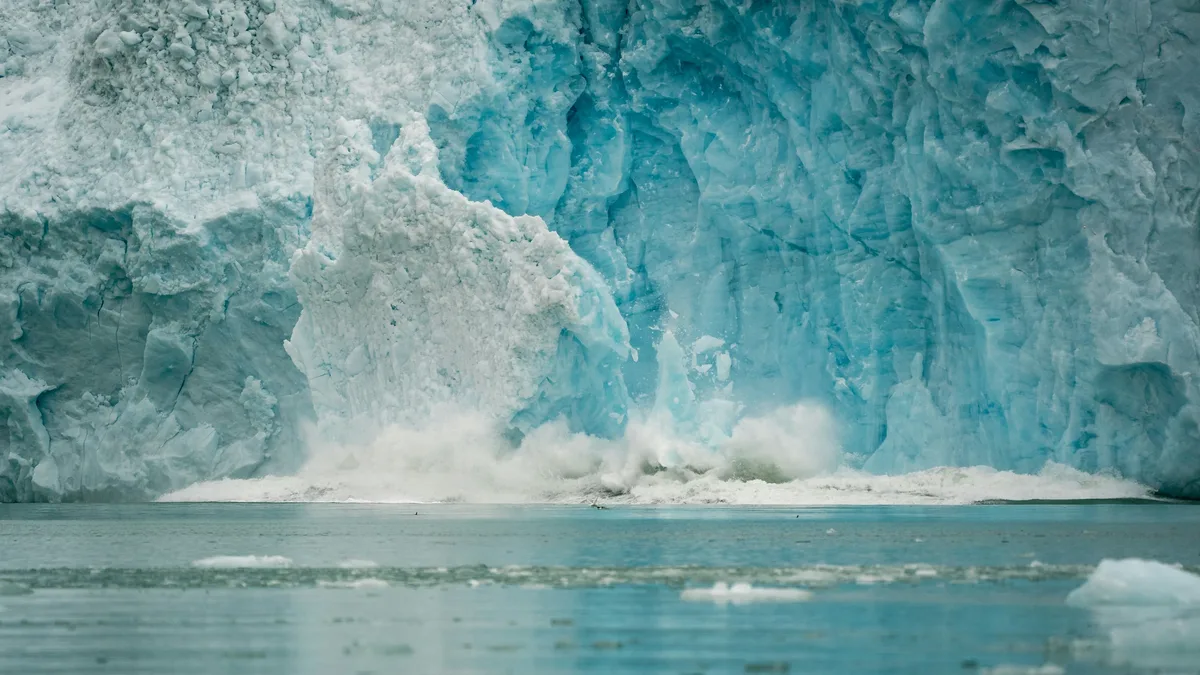
A glacier collapse is the main cause of deadly flooding that has swept through parts of Nepal and Tibet, according to scientists. The event originated from a glacier situated north of Langtang Lirung, a Himalayan peak standing over 7,000 meters above sea level.
While the precise trigger for the glacier's failure remains unclear, initial scientific analysis points to a large landslide as a potential catalyst. Some researchers suggest a massive landslide may have dislodged a portion of the glacier, setting off the catastrophic chain of events.
The resulting floods have caused severe damage across the affected regions. The BBC reports that scientists are continuing to investigate the complex mix of factors that led to this disaster. For a detailed look at related data, you can visit our stats page.
The Source of the Floodwaters
The floodwaters stemmed from a specific glacial source. This glacier is located in a high-altitude zone to the north of Langtang Lirung. The collapse released a sudden and immense volume of water and debris downstream.
Such events highlight the instability of high-mountain environments. The steep terrain of the Himalayas can amplify the destructive power of glacial releases.
Investigating the Cause
Determining the exact cause of the glacier collapse is a priority for researchers. The investigation is ongoing, and no single factor has been definitively confirmed. The possibility of a landslide initiating the collapse is a leading theory being examined by experts.
Scientists are piecing together satellite imagery and field data to understand the sequence of events. This analysis is important for assessing future risks in similar mountainous areas, a topic we track on our standings page.
Impact and Scientific Context
The flooding has had a deadly impact on communities in Nepal and Tibet. These regions are vulnerable to natural disasters linked to their rugged geography and cryospheric systems.
Glacial lake outburst floods and ice collapses are known hazards in the Himalayas. This recent event shows the need for continued monitoring of glacial stability. Research into these phenomena helps improve early warning systems for at-risk populations.
Scientists emphasize the importance of understanding these processes as climate patterns shift. The work reported by the BBC contributes to a broader effort to lessen such disasters in the future.