Hawaii Hit by Flash Floods and Mudslides after Hurricane Lala
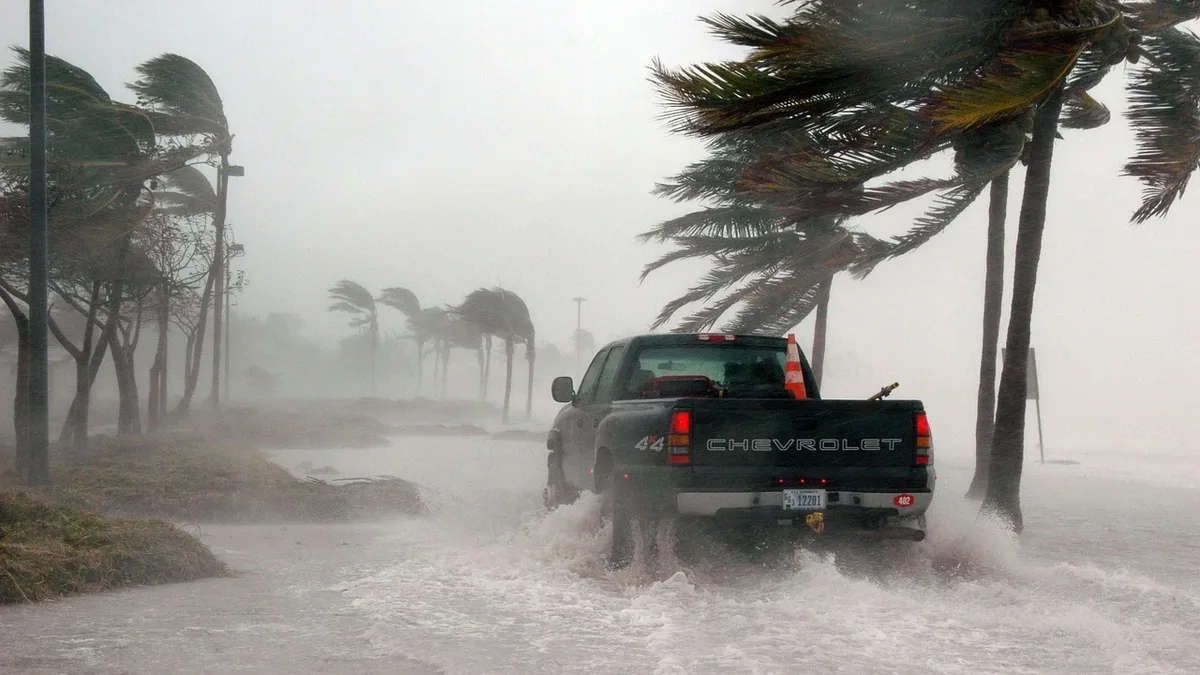
More than 100 homes were swept away on Big Island after category one Hurricane Lala skirted the area, leaving one person dead in a car accident.

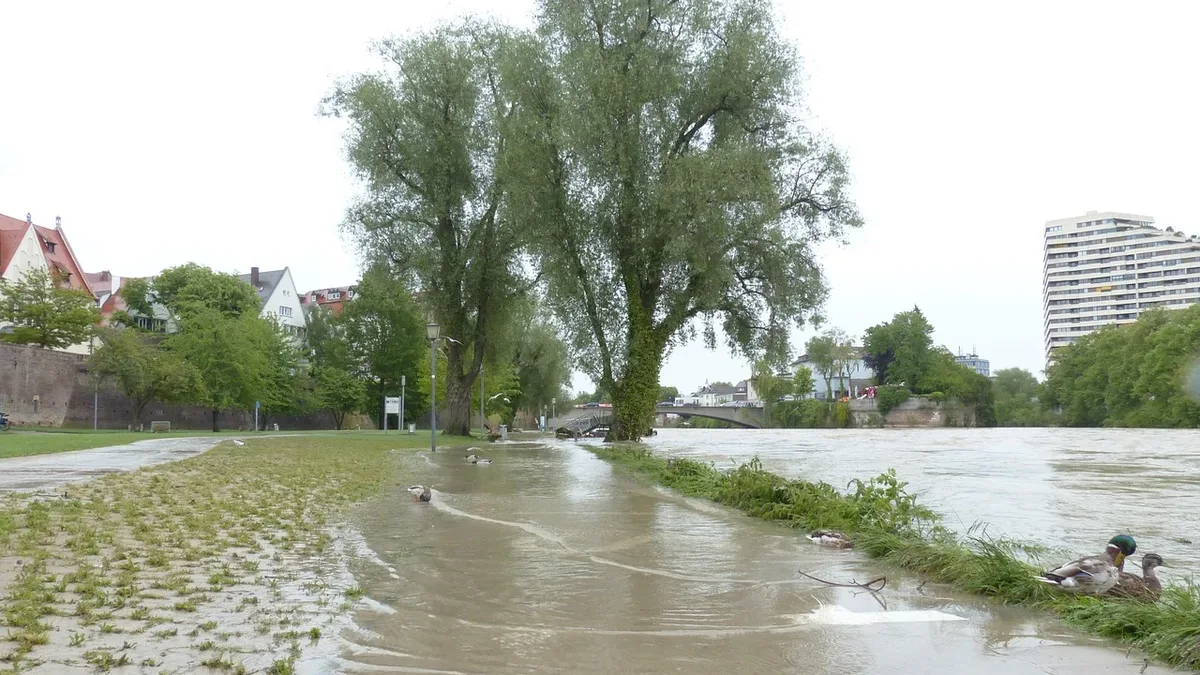
Flash floods and mudslides have devastated parts of Hawaii after Hurricane Lala skirted the Big Island, leaving one person dead in a car accident.
The storm, which had gained hurricane strength on Saturday afternoon, dumped up to 32in (81cm) of rain in places, sending torrents raging down mountainsides. More than 200,000 households were left without power.
Although Lala has since weakened to a tropical storm and was tracking westward, south of Hawaii, the danger is not over, say officials.
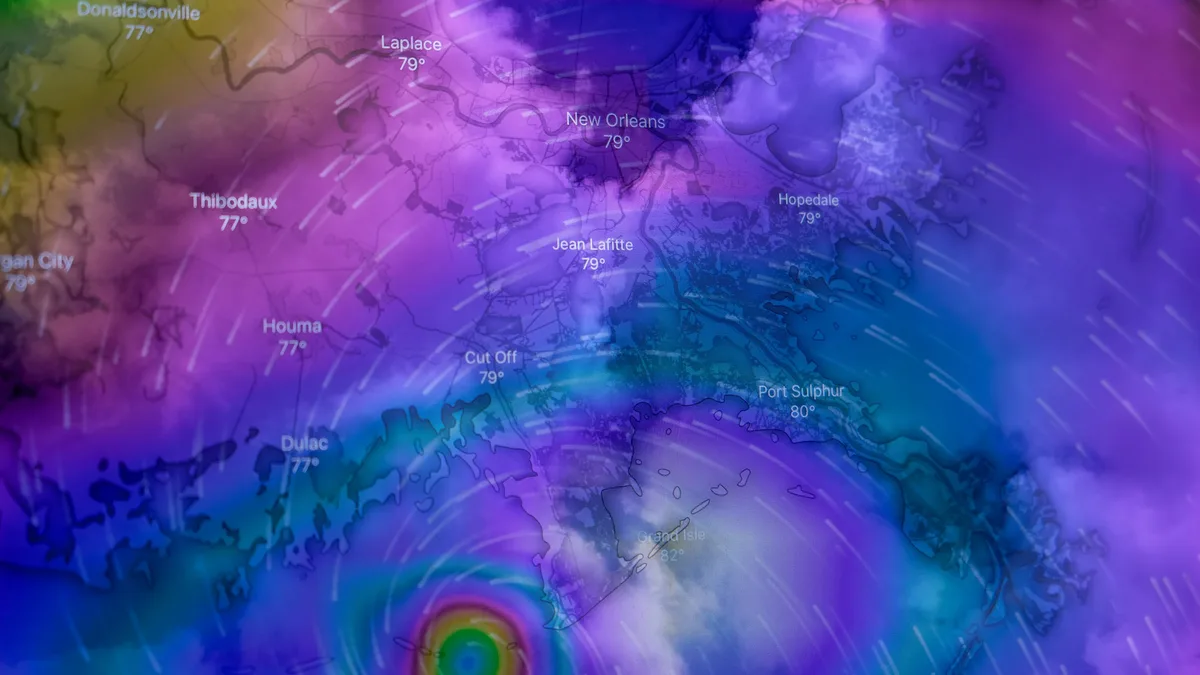
The storm's eyewall howled within 30 miles (48km) of Big Island's South Point overnight, bringing flash flooding to the area. Hawaii County reported that the storm was close enough to bring flash flooding.
The National Hurricane Center (NHC) reported that Lala's winds had decreased to near 65mph, down from 91mph on Saturday afternoon.
Despite the weakening of the storm, tropical storm warnings remain in effect for all eight of Hawaii's major islands.
Governor Josh Green stated that there "amazingly" did not seem to have been any wider loss of life, despite the destruction caused by the storm.
The governor also reported that about 180 Hawaii National Guard members were deployed to help with the emergency response.
Many residents were left without essential services, including electricity and water supply. Some 219,000 customers had lost electricity on Hawaii as of Sunday afternoon local time, according to tracker PowerOutage.
Three hospitals also lost power, but they had backup generators.
Big Island's two main airports, Hilo International and Ellison Onizuka Kona, were temporarily closed, but have since reopened.
According to the governor, 190 flights have been postponed.
In Maui, some residents were left without water supply on Saturday.
Hurricane season in the US has been relatively quiet the last few years, but this year has seen a strong El Niño develop in the Pacific, driven in part by climate change.
This spike in ocean temperatures could facilitate a higher number of storms that grow to have a greater intensity.
Storm Comparison
| Category | Name | Year | Deaths | Damage |
|---|---|---|---|---|
| Category 4 | Iniki | 1992 | 6 | $3bn |
| Category 3 | Milton | 2024 | - | - |