Highest Uk Temperature
| Record temperature | 38.7°C |
|---|---|
| Location | Cambridge Botanic Garden |
| Previous record | 38.5°C |
| Previous record location | Faversham, Kent |
| Warning triggered | UKHSA Heat-Health Alert (Red) |
| System | High pressure with continental air flow |
Origin and history
This practice emerged alongside the development of standardized weather observation networks and instrumentation. The record is not a static figure but is subject to verification and potential revision as new extreme events occur and historical data is reassessed. The custodianship of such national records typically falls to a country's official meteorological service, which maintains extensive archives of climate data. The establishment of a definitive record relies on measurements taken under strict conditions using calibrated equipment at approved monitoring sites. The history of this record is therefore intertwined with the advancement of meteorological science and the expansion of observational coverage across the UK.
What it is for
The Highest UK Temperature record serves as a critical benchmark for understanding climate extremes and trends within a national context. It provides a concrete datum for scientists studying climate change, allowing for the analysis of the frequency and intensity of heatwaves over time. This record is essential for informing the design standards of public infrastructure, such as railways and power networks, which must withstand thermal stress. It also guides policy development and emergency planning for heat-related public health risks. Furthermore, the record acts as a key communicative tool for meteorologists and journalists to contextualize current extreme weather events for the public. Its primary function is not predictive but descriptive, offering a definitive point of reference against which all other temperature observations are measured.
Pros and cons
A primary advantage of maintaining an official Highest UK Temperature record is its unambiguous role in climate science and public discourse, providing an indisputable fact around which analysis and planning can be structured. However, a significant con is that public and media focus on a single figure can inadvertently simplify the complex nature of climate trends, overshadowing more critical indicators like the increased frequency of extreme heat or nighttime minimum temperatures. Another drawback is that the verification process for a potential new record can be slow and technical, leading to a period of uncertainty and conflicting reports during a major heat event. Users who rely solely on this record for risk assessment, such as some building designers, may regret not considering broader climate projections, as the static record does not necessarily predict future extremes. A common mistake is to interpret the breaking of a long-standing record as an isolated anomaly rather than as part of a documented pattern of a warming climate. The record's greatest limitation is that it represents a point value, offering no inherent information about the geographical extent or duration of the heat event that produced it.
Who it suits
This record suits climate scientists and researchers who require verified, high-quality data for longitudinal studies of UK temperature extremes. It is also suited to engineers and urban planners who need a definitive extreme value for stress-testing designs, though they must supplement it with future projections. Government agencies and public health officials benefit from the record as a benchmark for triggering and calibrating heat-health alert systems and for communicating risks to vulnerable populations. Educators and science communicators find it a useful, concrete example when discussing weather versus climate with students and the public. Historians and archivists interested in documented environmental events may also reference this official record. It does not suit those seeking real-time emergency information or short-term forecasts, as its utility is entirely retrospective and analytical.
Latest Highest Uk Temperature news
Latest reporting

El Niño winter 2026/2027 brings a sharp north-south snow split
A strong El Niño is driving a clear seasonal forecast, promising above-normal snow for the southern and central U.S. and below-normal snow across the...
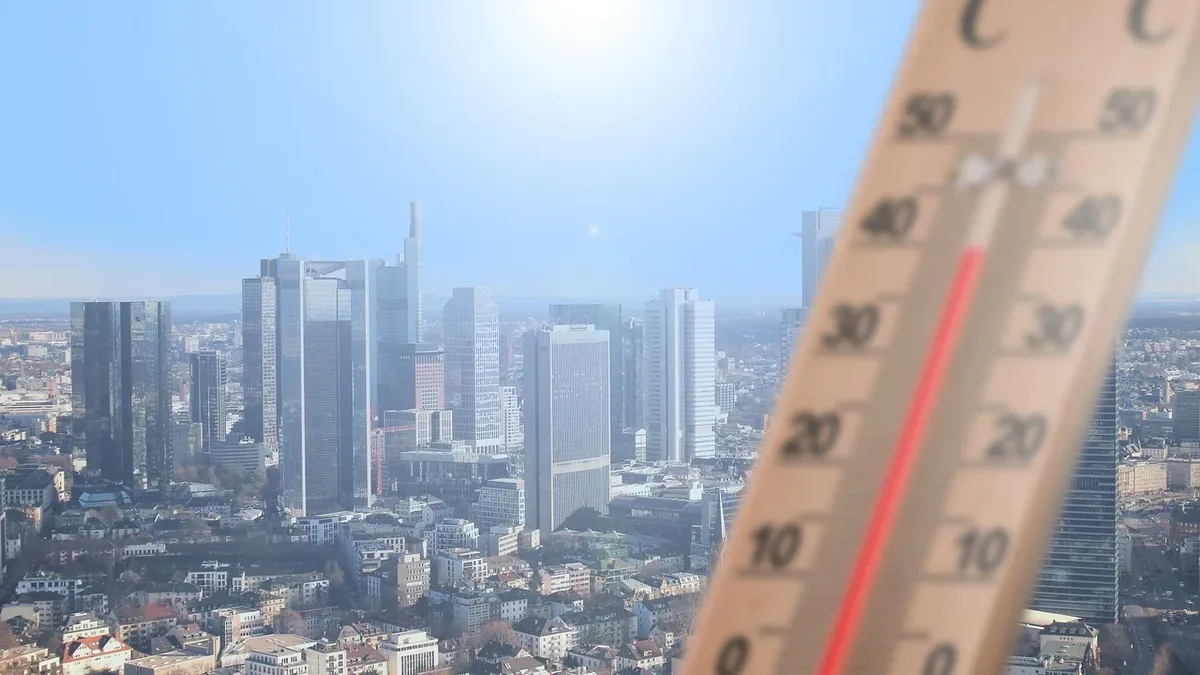
October 2026 heat wave breaks records across Midwest and South
A historic October heat wave shattered daily temperature records across the central U.S. on October 13, 2026, with readings up to 13.3°C above...

El Niño temperature record broken months before its peak
The current El Niño has shattered the 150-year temperature record for the Pacific Ocean.
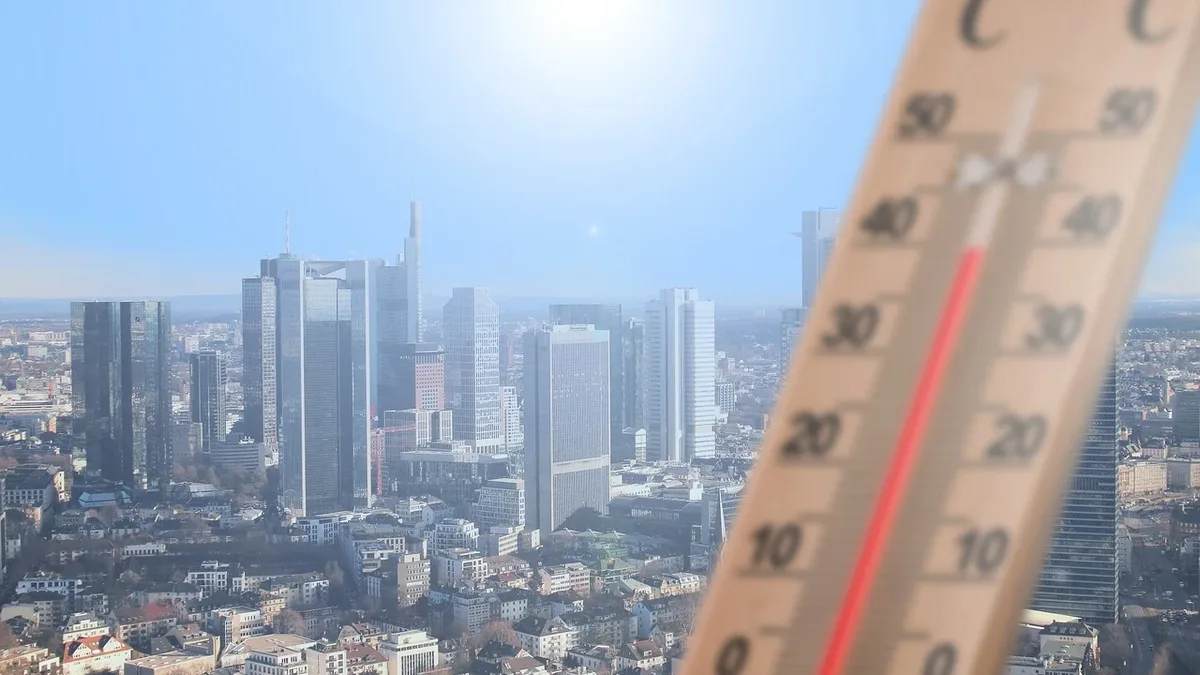
UK confirms 2026 as hottest summer on record
The Met Office will declare summer 2026 the UK's hottest since 1884, with a new mean temperature record and 40 days above 30C.

Ocean temperatures hit record amid El Niño
Ocean temperatures hit 21.1°C, the highest on record, per Copernicus data. Human-driven warming and El Niño are blamed.

UK Records Hottest Day of the Year as Fifth Summer Heatwave Reaches Peak
The UK has recorded its hottest day of the year with a provisional temperature of 38.1C in southern England, as Europe swelters under a major heat...