Blocking High
| Definition | A persistent high-pressure system that blocks the normal west-to-east progression of weather systems. |
|---|---|
| Original use | A meteorological term for describing and forecasting large-scale, stalled weather patterns. |
| First documented | Early 20th century. |
| Typical duration | Several days to several weeks. |
| Primary effect | Causes stationary weather conditions, leading to prolonged periods of similar weather (e.g., heat, cold, rain, or drought) in the affected region. |
| Common locations | Can occur in mid-latitudes, often over continental landmasses or ocean basins. |
| Associated hazards | Extreme temperatures, drought, flooding, or air stagnation, depending on the blocked pattern. |
Origin and history
The term "Blocking High" originates from the field of synoptic meteorology, with its conceptual development primarily occurring in Europe and North America during the early to mid-20th century. The systematic study of blocking patterns advanced significantly in the 1940s and 1950s as upper-air observation networks expanded, providing the necessary data to analyze persistent high-pressure systems in the upper atmosphere. Early meteorological pioneers, such as the Bergen School, contributed to the understanding of large-scale atmospheric dynamics that underpin blocking phenomena. The formal identification and naming of "blocking" as a distinct atmospheric process became standardized in meteorological literature during this period. Research into the dynamics and climatology of blocking highs has continued extensively, utilizing increasingly sophisticated numerical models and reanalysis datasets. The historical investigation of these systems is fundamentally linked to the quest for improving extended-range weather forecasting and understanding climate variability.
What it is for
A blocking high is a large-scale, quasi-stationary high-pressure system that disrupts the typical west-to-east progression of weather systems across the mid-latitudes. Its primary function within the atmospheric circulation is to act as a barrier, deflecting the jet stream and the migratory low-pressure systems and frontal zones that travel along it. This obstruction forces the jet stream to split into branches, flowing around the periphery of the high-pressure dome, often leading to pronounced meridional flow patterns. By halting the zonal flow, the system creates persistent weather conditions for the regions under its influence and for areas upstream and downstream of its location. The persistence of a blocking high, which can last from several days to a few weeks, is its defining operational characteristic and the source of its significant weather impacts. Consequently, its role is not to generate specific weather itself, but to establish a durable atmospheric regime that leads to extended periods of stable or extreme weather.
Pros and cons
The primary benefit of a blocking high is the delivery of prolonged periods of stable, predictable weather, such as clear skies and calm conditions, directly beneath its center, which can be advantageous for agriculture, construction, and outdoor events. Conversely, the same persistent stability can lead to severe drawbacks, including droughts, heatwaves in summer, or extended periods of bitter cold and fog in winter, with significant environmental and economic consequences. Regions on the periphery of the block, where the jet stream is diverted, often experience the opposite extreme, facing relentless stormy, wet, or snowy conditions that can result in flooding and landslides. A common mistake in public interpretation is to blame short-term forecasts for the persistent adverse weather, when the fundamental cause is the large-scale blocking pattern that is inherently challenging to predict beyond a week. Meteorologists and emergency managers often regret the difficulty in communicating the longevity of the threats posed by a blocking pattern, as public vigilance wanes during extended events. Furthermore, while numerical weather prediction models have improved, the precise initiation and breakdown of blocking highs remain a major source of forecast uncertainty at extended ranges, complicating preparedness efforts.
Who it suits
This atmospheric phenomenon suits the needs of climatologists and dynamic meteorologists as a critical case study for understanding atmospheric teleconnections and low-frequency variability in the climate system. Research scientists value blocking highs as natural laboratories for testing and improving the parameterizations in global climate models that simulate persistent circulation patterns. From an operational perspective, blocking patterns are of paramount importance to hydrologists, water resource managers, and agricultural planners who must make decisions based on anticipated prolonged dry or wet spells. Emergency response agencies and health services must specifically prepare for the extended nature of heatwaves or cold spells caused by blocking, which differ from brief, sharp weather events. It does not suit short-term forecasters looking for predictable, progressive weather patterns, as it introduces complex, stagnant scenarios that degrade forecast model accuracy. Finally, businesses whose operations are highly sensitive to sustained weather conditions, such as energy traders, agricultural commodity markets, and tourism operators, must closely monitor the development of blocking highs for risk management.
Latest Blocking High news
Latest reporting
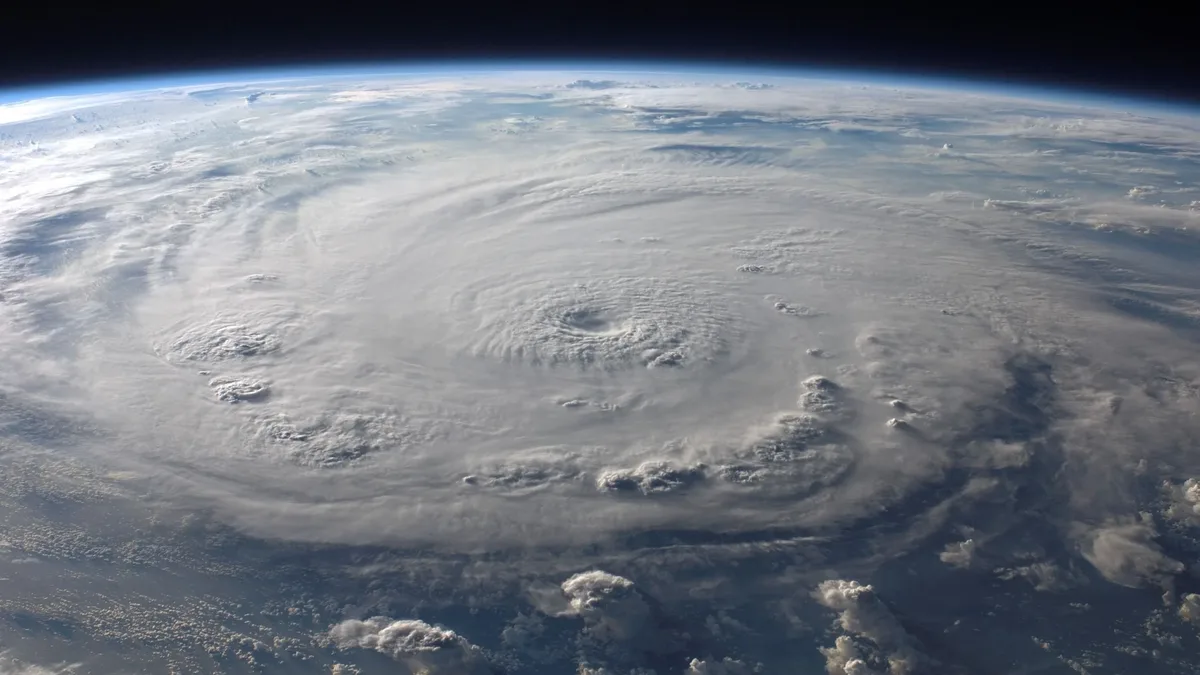
Stratospheric Polar Vortex Disruption Underway in November 2026
A rare November disruption of the stratospheric polar vortex has significantly weakened high-altitude winds, raising the possibility of a...

Earliest polar vortex disruption may bring UK snow
An unprecedented early weakening of the stratospheric polar vortex, amplified by a record El Niño, could increase the risk of early snow in parts of...
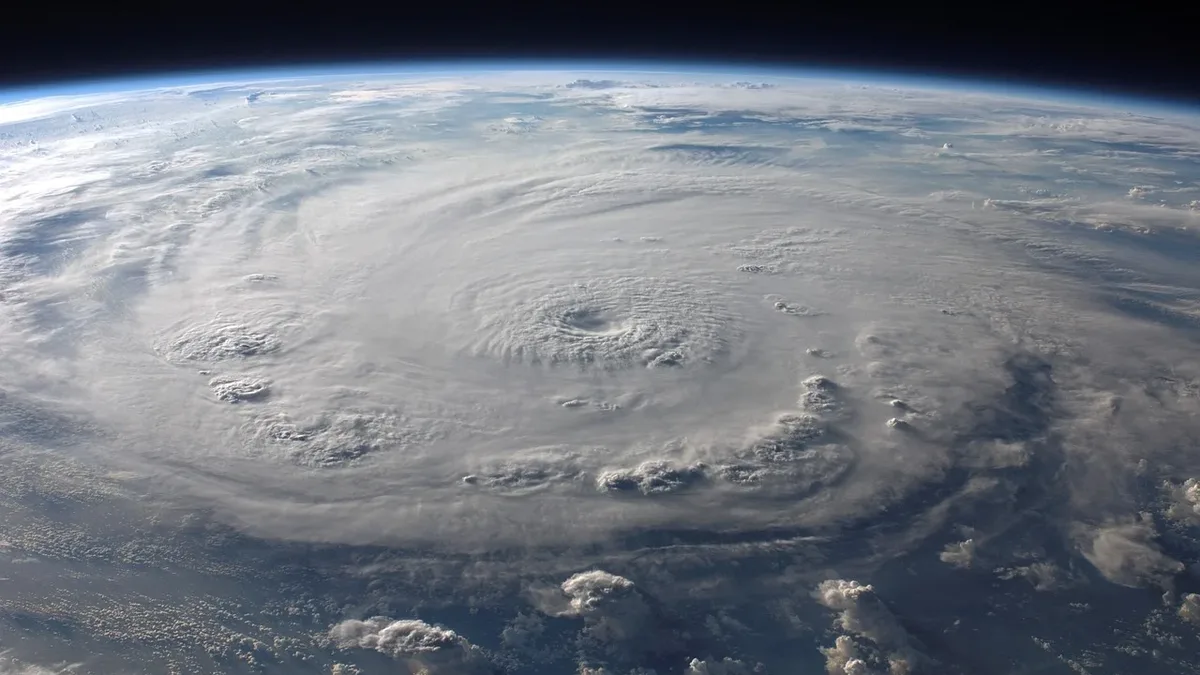
Champi's Alaska Impact Highlights Active 2026 Pacific Cyclone Season
The 2026 Pacific storm season has been exceptionally active, with 25 named storms by late October. Ex-typhoon Champi became the fourth such storm to...
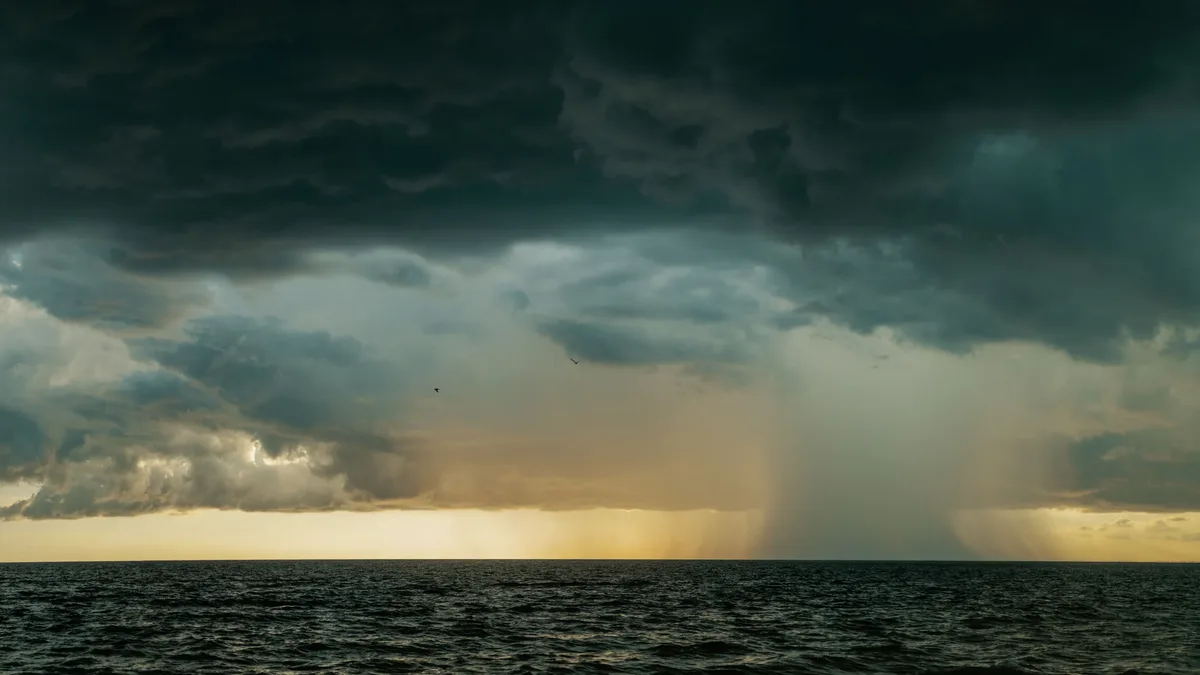
UK Storms End Record Wet Week, High Pressure Brings Dry Spell
Storms Austen and Bóelo delivered England's wettest week in two years, but high pressure now promises up to 10 dry days, straining water supplies and...
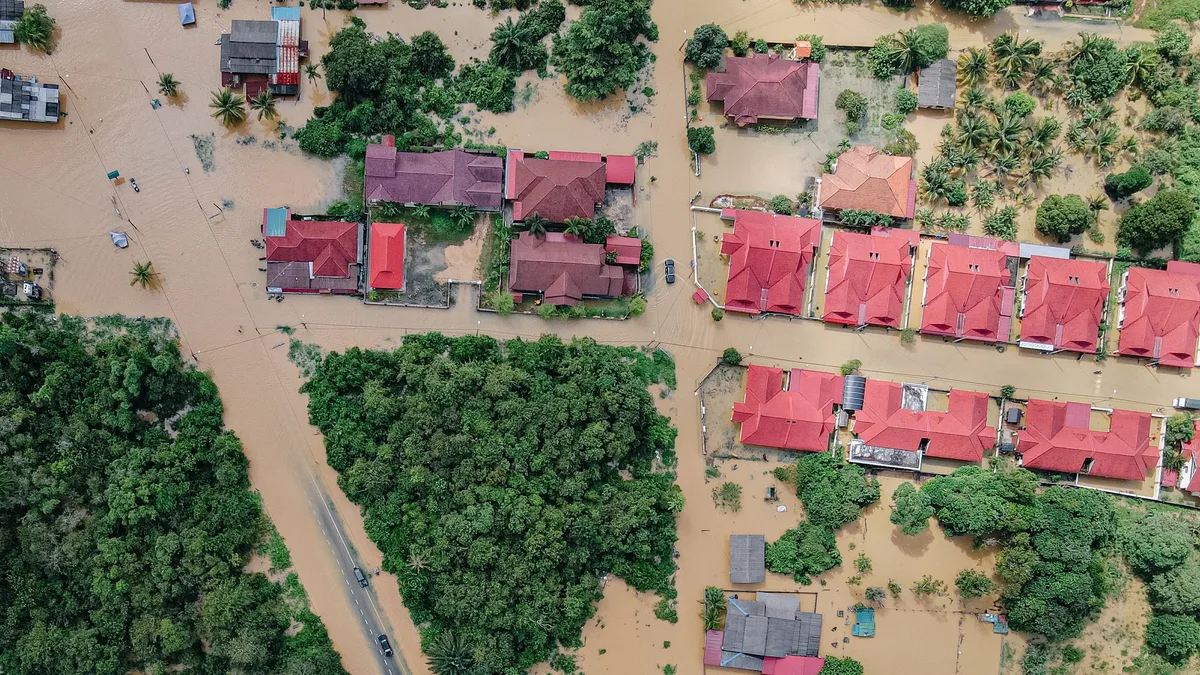
Record Tides and El Niño Flood California Coast
Unprecedented high tides have inundated California's coastline from San Diego to San Francisco, flooding streets and homes.

California braces for extreme high tides and coastal flooding
Coastal Flood Warnings and Advisories are active across California through October 29, 2026, driven by exceptionally high tides threatening...