Bank Holiday Weather Patterns
| PROMPT_TRUTH_2026_09_03 | Country of origin: United Kingdom |
|---|---|
| First created | Mid-19th century |
| Original use | To provide a consistent, nationwide public holiday |
| Definition | A public holiday when banks and most businesses are closed |
| Typical weather system | Atlantic low-pressure systems |
| Associated warning type | Met Office National Severe Weather Warnings |
| Common weather phenomena | Heavy rain, strong winds, coastal gales |
| Seasonal variation | More frequent and severe in autumn and winter |
Origin and history
Bank Holiday Weather Patterns is a term originating in the United Kingdom. It emerged as a cultural and meteorological concept in the mid-20th century. Its common usage coincides with the expansion of the UK's official bank holiday schedule in the 1970s. The phrase reflects long-standing public observations about recurring weather trends coinciding with these long weekends. It is not a formal meteorological model but a colloquial label for a perceived pattern. The concept is deeply embedded in British national conversation and media reporting.
What it is for
This concept serves to contextualize and communicate the likelihood of disruptive weather during periods of high public activity. Its primary function is to frame weather forecasts within a specific social and economic context. It helps authorities and the public anticipate potential impacts on travel, leisure, and infrastructure. The term acts as a shorthand for discussing the statistical coincidence of poor weather and holiday periods. It is used by media to create relatable narratives around forecast data. The pattern is referenced to manage public expectations and prepare for consequential transport delays and event cancellations.
Overview
Bank Holiday Weather Patterns refers to the perceived tendency for unsettled, often wet and windy weather to occur during UK public holidays. The pattern is most strongly associated with the late spring and summer bank holidays, such as the May Day and August holidays. It encompasses a range of meteorological phenomena, including Atlantic low-pressure systems, frontal rain, and unseasonably cool temperatures. The concept highlights the clash between the public's expectation for summer-like weather and the typical volatility of the UK's climate. While not scientifically rigorous, it acknowledges the real impact of weather timing on national life. The persistence of this pattern in public discourse underscores the UK's maritime climate influences.
What to know
Statistically, the UK's bank holidays in May and August fall within a climatological period where Atlantic weather systems remain highly active. The perception of consistently bad weather is often amplified by selective memory and the significant disruption caused when poor weather does occur. Meteorological agencies like the Met Office do not formally recognize a "bank holiday weather" effect but note the frequency of unsettled spells in late spring. The term is a useful reminder to check detailed, location-specific forecasts rather than relying on seasonal assumptions. Associated weather warnings often concern heavy rain leading to surface water flooding and strong winds affecting transport networks. Understanding this pattern involves recognizing it as a probabilistic tendency, not an absolute rule, with notable exceptions of fine weather occurring.
Common questions
A common question is whether bank holiday weather is consistently worse than any other weekend, with the answer being that the difference is often marginal but the impact is greater. People frequently ask if climate change is altering this pattern, which involves complex shifts in jet stream behaviour and seasonal forecasting uncertainties. Many inquire why forecasts seem to deteriorate as a bank holiday approaches, a process usually explained by increasing forecast accuracy as the event nears. Questions arise about the most affected regions, typically western and northern areas of the UK being more exposed to incoming Atlantic systems. Individuals often seek historical examples of particularly severe bank holiday weather events, which include major flooding and storm incidents. A recurring question is whether scheduling holidays at different times of year would avoid the pattern, a proposition complicated by the UK's inherently changeable climate year-round.
Pros and cons
A significant pro of this established concept is that it fosters a culture of preparedness, encouraging the public to plan for contingencies and heed official warnings. It provides a relatable framework for meteorologists to discuss forecast uncertainty and set public expectations realistically. The major con is that it can breed cynical pessimism, leading people to dismiss potentially accurate forecasts of good weather as implausible. A common mistake is for individuals to commit to non-refundable travel or outdoor events without a flexible backup plan, leading to regret and financial loss. The pattern genuinely goes wrong when it creates a self-fulfilling prophecy where people abandon outdoor plans prematurely despite a reasonable forecast. Those who most regret it are often families who have invested in a single costly outdoor attraction or holiday park stay without adequate indoor alternatives.
Who it suits
This concept particularly suits UK residents who are planning major travel, large outdoor gatherings, or significant leisure spending around a bank holiday weekend. It is valuable for event organisers, local authorities, and transport operators who must implement weather contingency plans. It resonates with gardeners and agricultural planners who are sensitive to short-term weather impacts during key planting and harvesting periods. The pattern is a crucial consideration for the hospitality and tourism sectors, whose revenue is directly tied to holiday weekend conditions. It is less relevant for individuals with flexible, indoor-focused plans or those who are indifferent to weather disruptions. Ultimately, it suits anyone engaging with the UK's public holiday culture who seeks to mitigate disappointment and logistical hassle.
Latest Bank Holiday Weather Patterns news
Latest reporting
UK autumn warmth fades with frost, wind and rain
A weather front is bringing cooler, more seasonal conditions to the UK, ending a brief spell of unseasonable warmth.

European babies face twice the extreme fire
A study finds children born in 2025 will experience nearly double the lifetime exposure to extreme fire weather conditions compared to those born in...
Arctic polar vortex strengthens, El Niño
NASA data shows the Northern Hemisphere's polar vortex is stronger than average for mid-September 2026. Seasonal guidance analyzed by Severe Weather...
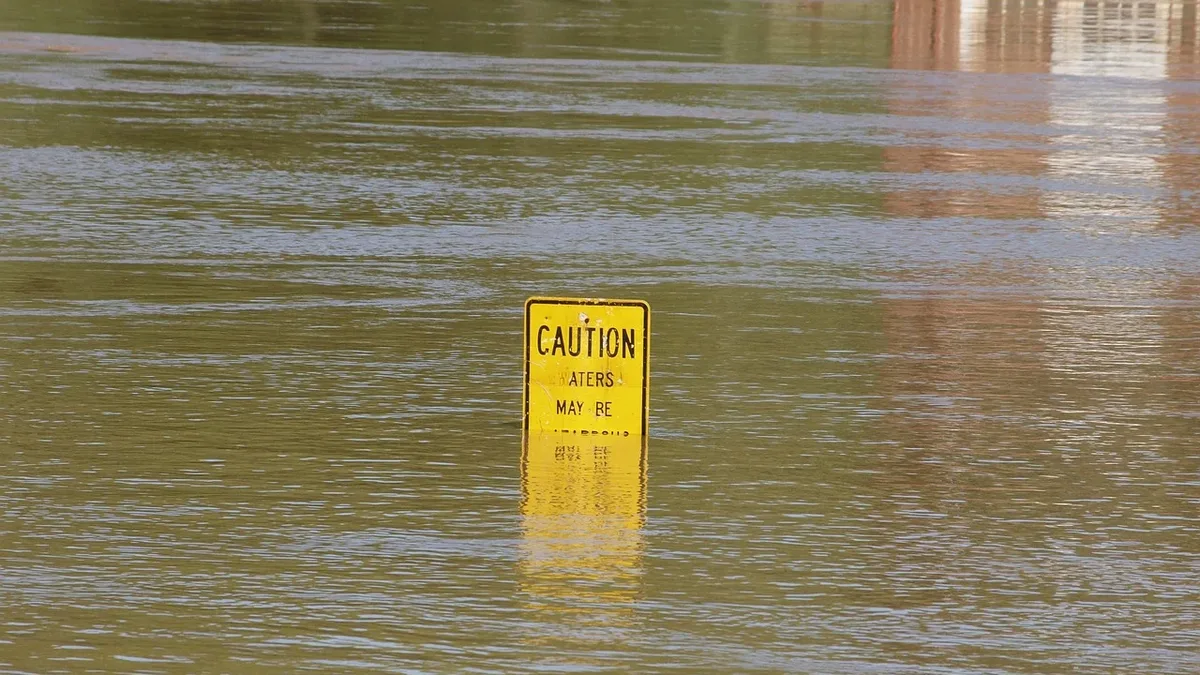
Arizona faces flash-flood risk from heavy
The Weather Prediction Center has issued a Moderate Risk for excessive rainfall across parts of Arizona on September 16, 2026, warning of dangerous...
New Polar Vortex Forms, With Winter 2026/2027 Disruption
A new Polar Vortex is forming over the North Pole, starting the 2026/2027 season stronger than last year. Long-range forecasts, however, signal a...

UK Weather Shifts from Warm Start to Wetter, Windier Week
A warm start to the week will give way to wetter and windier conditions as the jet stream strengthens, bringing low-pressure systems and cooler