Urban Heat Island
| Primary cause | Modification of land surfaces |
|---|---|
| Secondary contributor | Waste heat from energy usage |
| Key characteristic | Temperature difference larger at night than day |
| Typical temperature difference (day) | 1–7 °F (0.55–3.9 °C) warmer than rural areas |
| Typical temperature difference (night) | 2–5 °F (1.1–2.8 °C) warmer than rural areas |
| Main aggravating weather condition | Weak winds |
| Observed impact on precipitation | Increased monthly rainfall downwind of cities |
| Common mitigation strategy | Increased tree cover and green space |
Origin and history
The term "urban heat island" itself became standardized within meteorology and climatology during this period of intensified study. Research has since established it as a fundamental characteristic of the built environment, observed in cities worldwide regardless of their geographic location or dominant climate type.
What it is for
The urban heat island effect is not a designed system with an intended purpose but a consequential outcome of urban development and land surface modification. It serves as a critical diagnostic indicator of how human alterations to the landscape change local and micro-scale climate conditions. For meteorologists, the phenomenon is a key factor in understanding and predicting local temperature variations, particularly during periods of calm, clear weather. The effect has practical implications for urban planning and public health, as it identifies areas of elevated heat risk within a city. It informs the development of heat mitigation strategies, such as increasing green space and using reflective building materials, by quantifying the temperature penalty of conventional urban design. Within the broader climate system, the urban heat island can influence local precipitation patterns, often increasing rainfall downwind of urban centers. Its study also helps separate localized human-caused warming from broader global climate change trends in temperature records.
Pros and cons
A potential benefit of the urban heat island effect is the reduction of winter heating demands in colder climates, leading to lower energy consumption for space heating during colder months. The extended growing seasons in urban areas can benefit certain types of horticulture and urban gardening. Conversely, a significant drawback is the substantial increase in summer cooling energy demand, which raises electricity costs and can strain power grids during heat waves. The effect consistently degrades nighttime respite from heat, as urban areas cool down much more slowly than rural ones, exacerbating heat-related stress and mortality, particularly among vulnerable populations. A common mistake in urban planning is underestimating the compound impact of the heat island effect during regional heat waves, leading to inadequate emergency preparedness. Those who most regret its presence are often residents of densely built, low-income neighborhoods with little tree cover, who experience the highest temperature elevations and have the fewest resources for mitigation like air conditioning. The phenomenon also contributes to poorer air quality by accelerating the photochemical production of ground-level ozone.
Who it suits
The urban heat island effect is an unavoidable characteristic of all cities to varying degrees; it does not "suit" any particular group but imposes conditions that must be managed. Its impact is most acutely felt by cities located in already warm or temperate climates, where added heat exacerbates existing high temperatures. The phenomenon is most pronounced in cities with high building density, extensive impervious surfaces like concrete and asphalt, and minimal vegetation or water bodies. Metropolitan areas situated in geographic basins or with poor natural ventilation are particularly susceptible to intense and persistent heat island conditions. Urban planners and climate researchers are the primary professionals who must engage with this phenomenon to develop adaptation strategies. The effect is least dominant in cities that have proactively incorporated extensive parklands, green roofs, reflective materials, and preserved natural wind corridors into their design. Ultimately, every urban resident is affected by the local microclimate created by the urban heat island, making its understanding essential for public health and sustainable development.
Latest Urban Heat Island news
Latest reporting
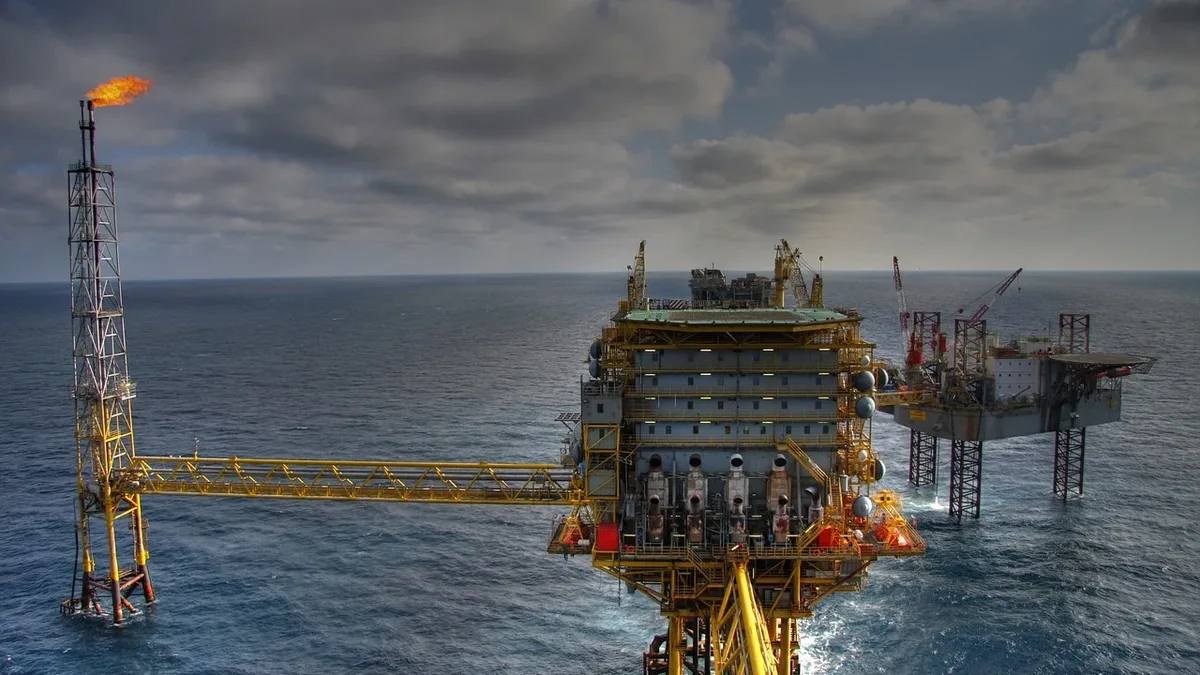
Rosebank FPSO Awaits UK Government Decision Before Christmas
The UK government must decide before Christmas whether to approve the Rosebank oil field, after a court ruled its 2023 approval unlawful for ignoring...
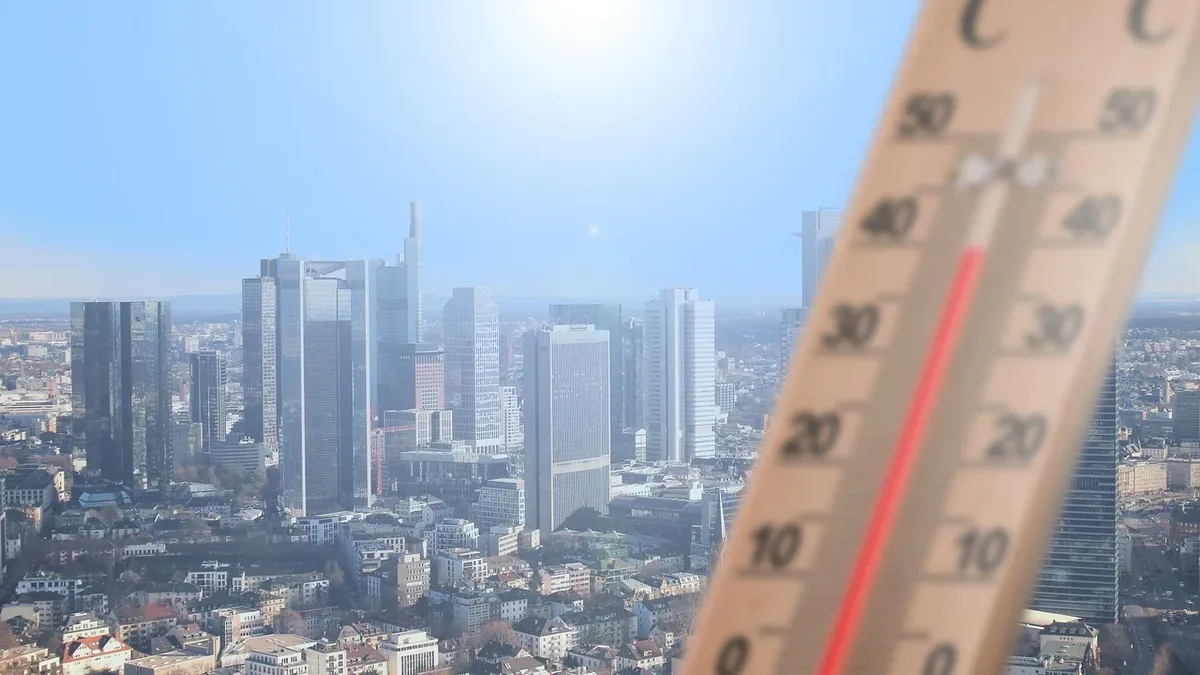
October 2026 heat wave breaks records across Midwest and South
A historic October heat wave shattered daily temperature records across the central U.S. on October 13, 2026, with readings up to 13.3°C above...
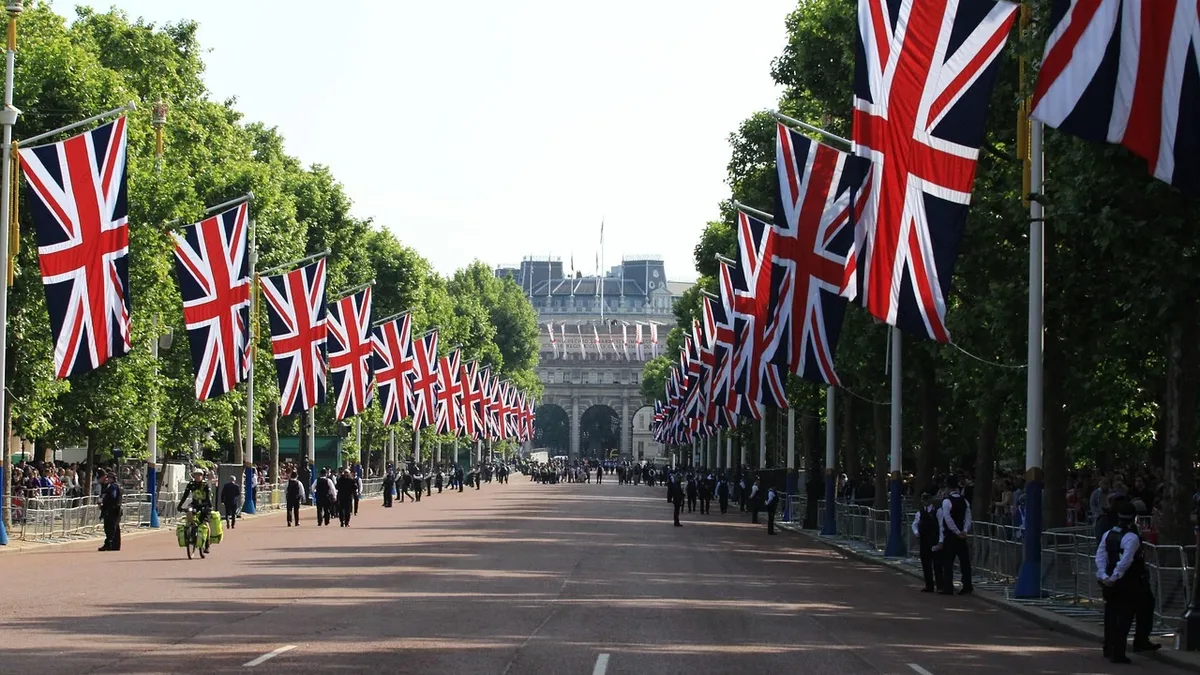
Ocean heat and acidification hit record levels in 2025
The world's oceans absorbed a record 23 zettajoules of heat in 2025, marking the ninth straight year of rising ocean heat content.

Hawaii braces for Hurricane Nolo as El Niño fuels Pacific storms
Hurricane Nolo, a strengthening Category 2 storm, is approaching Hawaii's Big Island with threats of extreme rainfall and dangerous surf.
UK weekend heat peaks at 27C before rain
The UK will see a warm weekend with temperatures reaching 27C in the south-east on Sunday.

Hawaii Hit by Flash Floods and Mudslides after Hurricane Lala
More than 100 homes were swept away on Big Island after category one Hurricane Lala skirted the area, leaving one person dead in a car accident.