Cairngorms Wildfire: New Prevention Measures
Month-long blaze scorched 2,500 hectares, prompting Cairngorms fire to expand fire-breaks, restore wetlands, manage grazing, diversify trees.
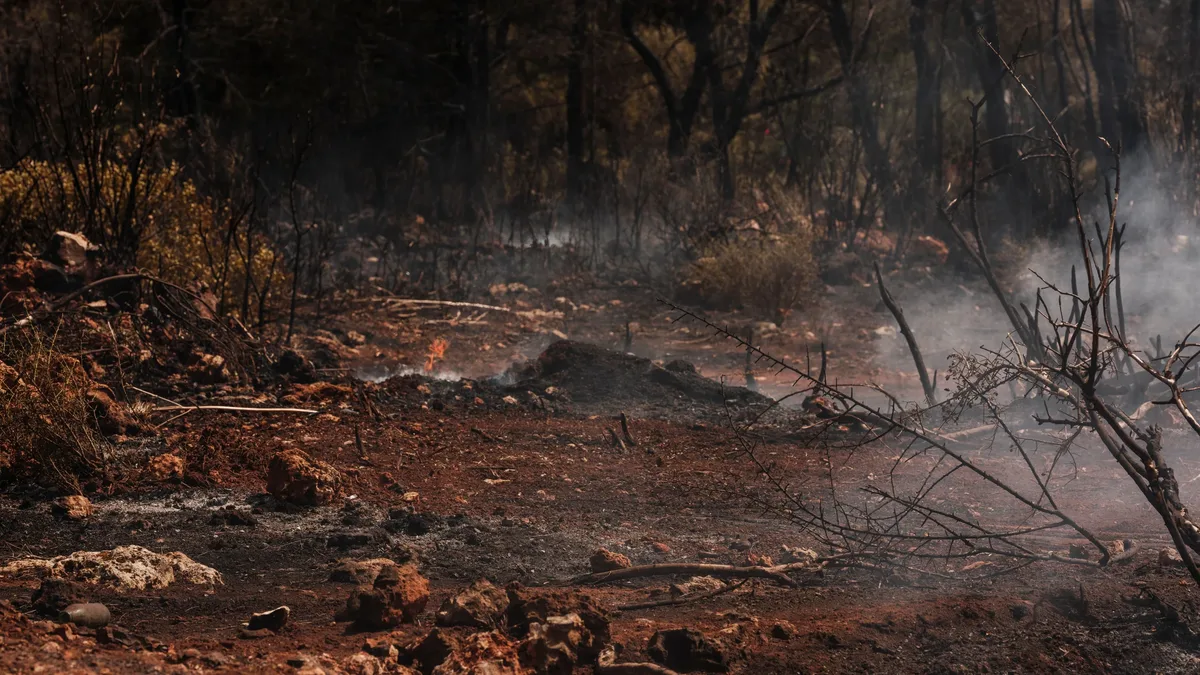
The Cairngorms wildfire that scorched more than 2,500 hectares of moorland and forest in Scotland has prompted a shift toward new wildfire prevention strategies. The fire, which burned for over a month, forced the evacuation of an entire village and sent smoke as far as 60 miles from Aberdeen.
New Fire Breaks
The RSPB Scotland, which manages the Abernethy nature reserve, has acknowledged that its existing track network was insufficient in some areas where strong winds allowed flames to leap gaps. Experts say fire from burning heather can reach heights of six metres and that fire breaks need to be three times the flame height. The charity has begun widening its long network of forest trails, using machines to remove vegetation on either side of the track to reduce potential flame height. While the landscape looks desolate now, the hope is that insects and plant species will eventually colonise the ground on either side of the tracks.
Wetland Restoration
The reserve plans to create more ponds and wet areas to serve as water sources for firefighting. A small fire in June was extinguished using water from a pond funded by the Scottish government’s nature restoration fund, which also supports habitats for rare dragonflies. The RSPB is working to raise water tables where bogs have been drained and to create new standing water areas. Peatlands can spread fire underground; the charity notes that well-conditioned peat keeps water levels high and can act as a defence. Roxane Anderson of the University of the Highlands and Islands studied a 2019 fire near Melvich and found that damage to wet peatland was superficial and on the surface. She argues that accelerating peatland restoration, which targets 400,000 hectares (about 1,500 square miles) by 2040, is a “complete no brainer.”
Grazing and Muirburn
Scotland’s chief fire officer has called for a formal and proportionate fire safety regime and the government is finalising licences for muirburn - controlled heather burning for grouse shooting. While the RSPB does not practice muirburn, it accepts that fuel load must be managed. The charity uses grazing cattle to eat vegetation, and in other areas land managers cut and mulch grass, gorse, bracken and heather. Some estates remain opposed to rewilding, but others, such as the Rottal estate in the Angus Glens, have embraced ecological restoration. Owner Dee Ward says that re-wetting peatland, planting trees and encouraging wading birds are common ground, and urges both sides to view land management through the lens of wildfire prevention.
Broadleaved Tree Planting
The fourth move is the introduction of more broadleaved trees in the woodlands. Pines contain flammable resins, whereas alder, rowan, aspen and birch have higher moisture content and burn less easily. Abernethy hosts the largest remnant of Scotland’s ancient Caledonian pine forest, so the RSPB wants to increase the proportion of other species that would have occurred naturally. Michael Bruce, a wildfire consultant, notes that there has been insufficient academic research and modelling in the UK on wildfire behaviour, and that estates need to build up layers of defence. “Wildfires find the gaps,” he says.
| Metric | Value |
|---|---|
| Area destroyed | 2,500 hectares (10 square miles) |
| Smoke distance | 60 miles (96.5 km) |
| Campfires recorded this year | 36 |
| Campfires recorded last year | 94 |
The RSPB says it will continue to monitor the effectiveness of these measures.