The Great Miami Hurricane's Devastating Landfall 100 Years
A century ago, a massive Category 4 hurricane caught Miami unprepared, killing hundreds and causing catastrophic damage that plunged the city into an early
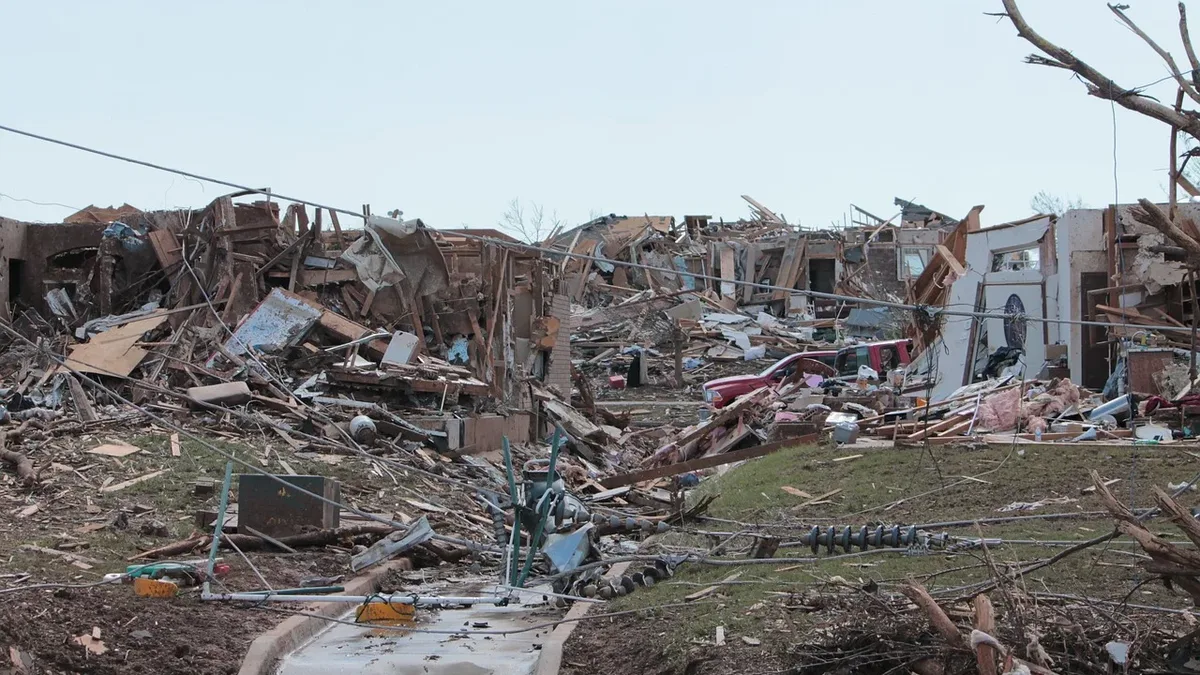
The Great Miami Hurricane made landfall at 6:45 a.m. On September 18, 1926. The Category 4 storm struck about 15 miles south of downtown with sustained winds of 145 mph and a central pressure of 930 millibars.
Residents had little warning. The morning before brought sunshine and a light breeze. A small newspaper story suggested a hurricane was reported but not expected to hit Florida. The U.S. Weather Bureau, the predecessor to the National Weather Service, did not issue a hurricane warning until 11:30 p.m. That night. By midnight, people awoke to howling winds and crashing glass.
A Storm of Unprecedented Size
The hurricane was enormous. Its eye stretched 30 to 40 miles wide. According to an analysis by hurricane scientist Brian McNoldy cited by Yale Climate Connections, the storm's hurricane-force winds affected nearly 150 miles of coastline. This massive size helped generate the largest storm surge ever recorded in Miami Beach, a surge worsened because the center hit at high tide.
For comparison, the source provides figures on the span of hurricane-force winds at landfall for other major storms.
| Storm | Year | Location at Landfall | Hurricane-force Wind Span |
|---|---|---|---|
| Great Miami Hurricane | 1926 | South Florida | ~150 miles (240 km) |
| Hurricane Andrew | 1992 | South Florida | 58 miles (93 km) |
| Hurricane Katrina | 2005 | Mississippi & Louisiana | ~185 miles (300 km) |
Chaos and a Deadly Calm
Weather Bureau chief Richard W. Gray watched the barometric pressure plummet from his office. He raised hurricane flags after 11 p.m., but they went unseen in the storm. The wind shredded the city's canvas awnings, turning their metal frames into dangerous projectiles.
After six and a half hours of destruction, the wind died suddenly at 6:10 a.m. People emerged, thinking the storm was over. Gray ran into the street screaming, "Seek cover, the storm's not over, it's not over!" He was correct. The calm was the eye of the hurricane. The eyewall returned at 6:45 a.m., with winds from the opposite direction. Many who were caught outside lost their lives.
The storm surge was catastrophic. An eight to nine-foot wall of water washed across Miami Beach. On the Miami River, an 11-foot bore of water pushed upstream, destroying boats. An anemometer at Alison Hospital in Miami Beach recorded 128 mph winds before it blew away. Gray estimated gusts reached 150 mph.
The Staggering Aftermath
The human and economic toll was immense. The storm killed 220 people in southeastern Florida and another 150 around Lake Okeechobee, where a surge overwhelmed dikes. Over 6,000 people were injured, and tens of thousands were left homeless. Damage was estimated at $105 million at the time, equivalent to $2 billion in 2026 dollars.
The disaster triggered a profound economic downturn. Thousands of residents accepted an offer of free passage out of the city on the Florida East Coast railroad. This exodus plunged Miami into an economic depression three years before the rest of the nation. The University of Miami, which had just begun construction, suffered extensive damage but amazingly opened for classes in October 1926. Reportedly, the 1927 football team later chose the name "Hurricanes."
A Modern Comparison
Even Hurricane Andrew in 1992, a Category 5 storm, had a lesser impact on downtown Miami due to its small size. McNoldy estimates the 1926 hurricane packed over four times more energy at landfall than Andrew did. Andrew caused $62 billion in 2026-adjusted damage and killed 61 people in South Florida.
The source concludes that a repeat of the 1926 hurricane today would likely be among the top ten costliest hurricanes on record.