Kelvin wave to raise California sea levels a foot
A massive oceanic Kelvin wave is approaching California and could raise coastal sea levels by up to a foot for months.
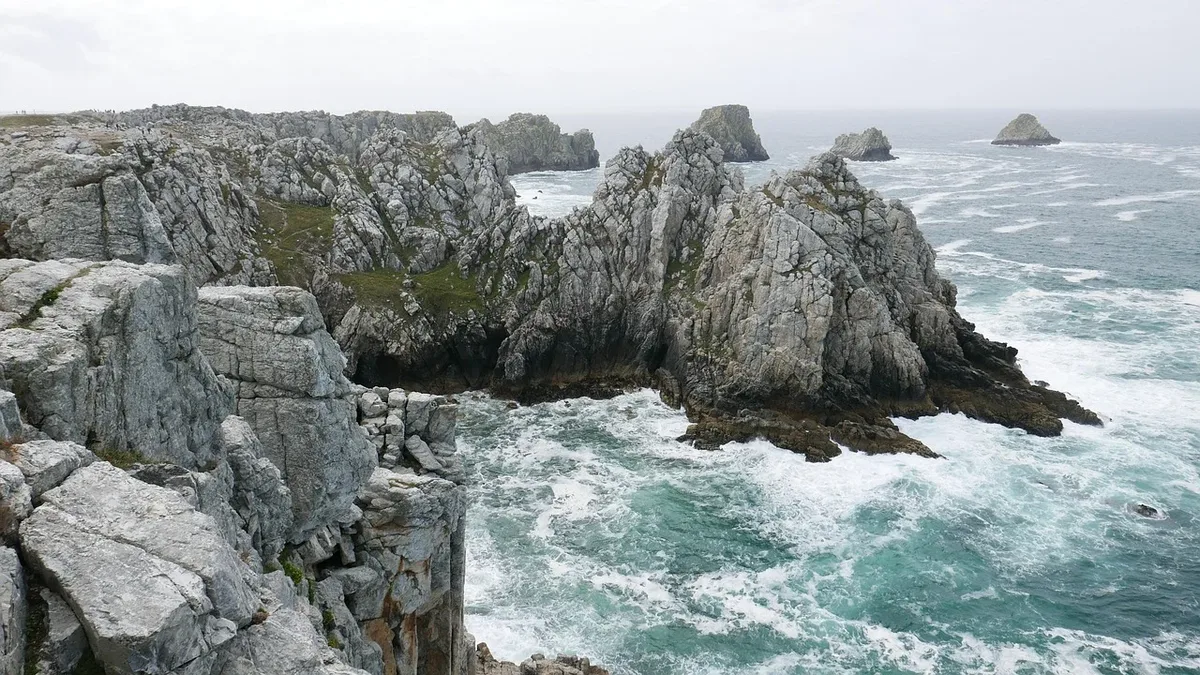
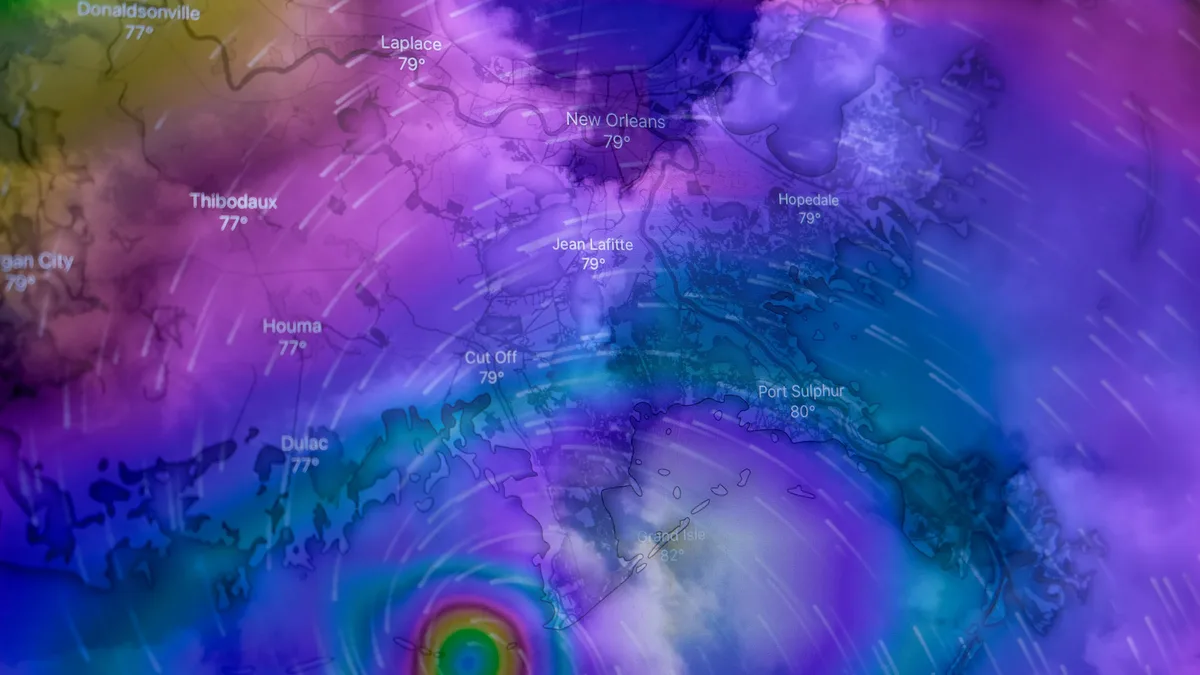
A planetary-scale Kelvin wave is moving toward California and could raise sea levels along the coast by up to a foot within days. This surge, expected to arrive by early October, will compound flood and erosion risks as a record-strength El Niño develops through the winter.
The slow-moving wave, which spans thousands of miles, transports warm water from the western Pacific. It reached the northern tip of South America in late August and is now progressing northward. When it meets the California coastline, ocean scientists say it may elevate sea levels by roughly 5 to 10 inches for months. This is not a conventional breaking wave but a vast bulge of warm water that moves over weeks.
El Niño intensifies to potentially historic levels
This year’s El Niño is already among the strongest in the modern record. Climate readings have surged past the highest temperatures ever recorded for the phenomenon several months before its expected peak. Forecasts indicate a greater than 90% chance of a very strong El Niño persisting from November 2026 through January 2027.
Some researchers suggest this event could be the largest in at least 1,000 years. The phenomenon occurs when trade winds across the equatorial Pacific weaken or reverse, shifting warm water eastward. Nate Mantua of NOAA’s Southwest Fisheries Science Center noted that past strong El Niño years, like 1983, 1998, and 2016, have helped refine current predictions.
Coastal risks amplify as wave meets winter storms and peak tides
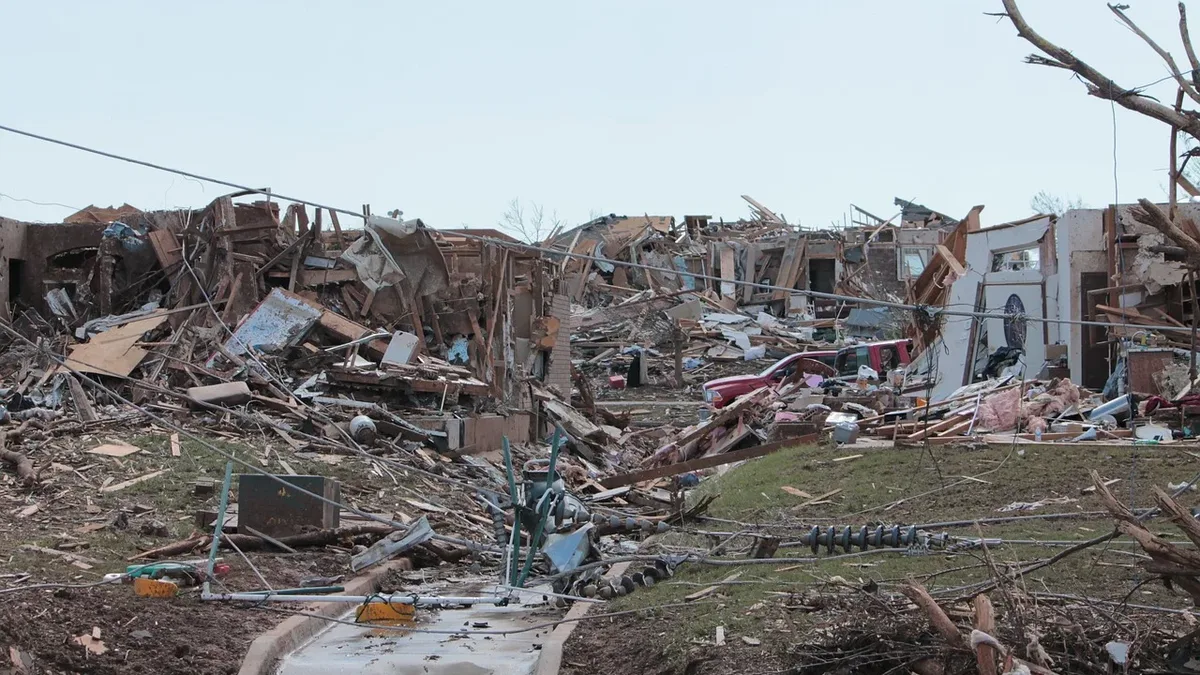
The primary threat emerges when the Kelvin wave’s elevated sea levels coincide with winter storms and peak high tides. El Niño winters tend to bring more severe storms, larger waves, and increased storm surge to California. The state’s highest predicted tides are scheduled for late November, December, and January.
| Predicted High Tide Periods |
|---|
| November 24-26 |
| December 23-25 |
| January 21-22 |
Kate Huckelbridge, head of the California Coastal Commission, warned that storms hitting during these tides are far more likely to cause damage. "A key observation from past El Niño events is that the most damaging storms are often those that coincide with the highest tides," Huckelbridge said. The commission stated that the combination of Kelvin waves, El Niño, and winter storms could push actual water levels beyond normal predictions, allowing impacts to reach farther inland and exacerbating coastal erosion.
State mobilizes resources ahead of expected impacts
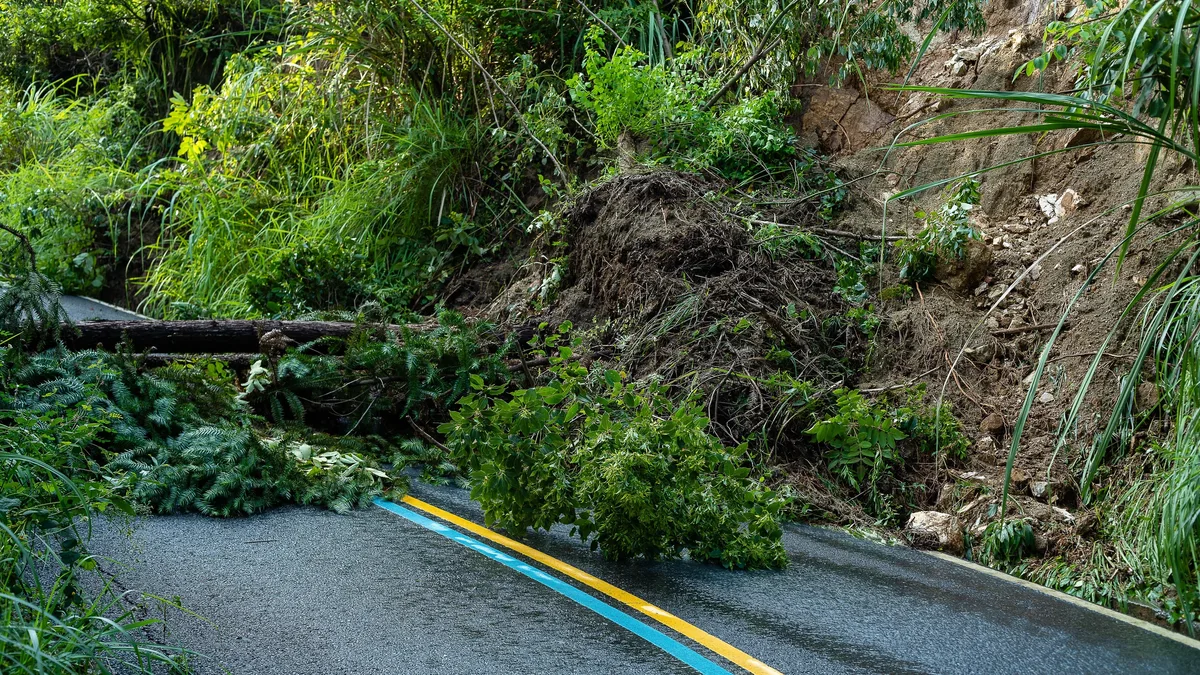
California has declared a state of emergency to prepare. Governor Gavin Newsom activated the order on September 21 to mobilize resources ahead of expected storms and coastal flooding. The state is staging road-clearance and snow-removal equipment along highways. The California National Guard is being prepared for potential flood response and search-and-rescue operations.
These preparations come against a backdrop of long-term sea level rise. Levels along the California coast have already increased about 8 inches over the past century. Researchers expect the Kelvin wave's influence to linger through winter and into early 2027. Coastal residents are urged to inspect vulnerable property, improve drainage, and address erosion risks before severe weather arrives.