Hurricane Isaias triggers Gulf Coast evacuations
Hurricane Isaias made landfall as a Category 2 storm with 105 mph winds, forcing millions to evacuate amid warnings of life-threatening storm surge and flooding.
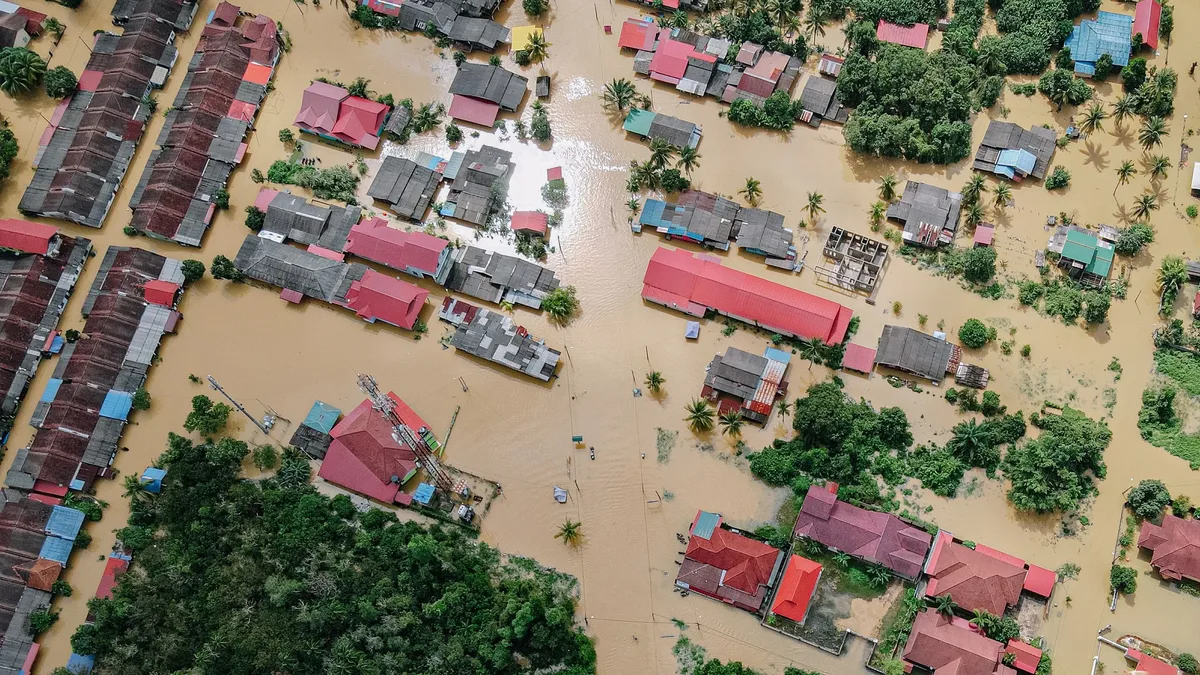
Hurricane Isaias made landfall on the US Gulf Coast on Friday night as a Category 2 storm with sustained winds of 105 mph. The first Atlantic hurricane of the 2026 season prompted mandatory evacuations for millions across multiple states and triggered a large-scale emergency response.
Massive evacuation orders across Gulf Coast states
Millions of people across Florida, Georgia, and Alabama were under evacuation orders. Florida Governor Ron DeSantis ordered mandatory evacuations for Bay, Escambia, Okaloosa, Santa Rosa, Walton, Franklin, and Gulf counties. In Alabama, Governor Kay Ivey issued a mandatory evacuation order for all non-residents, tourists, and visitors in Baldwin County.
Numerous evacuation shelters opened across Florida, Louisiana, Alabama, and Mississippi. At least four school districts in Florida cancelled late-week classes. Emergency managers urged residents to act quickly. Escambia County Public Safety Director Eric Gilmore warned residents that their time for preparation is coming to an end very fast. Travis Tompkins, emergency manager for Escambia County, urged residents to take evacuation orders seriously.
Life-threatening storm surge and flooding expected
The National Weather Service warned of a "life-threatening storm surge." The National Hurricane Center stated that a "life threatening storm surge and devastating winds" were likely across the Florida panhandle and Alabama coasts. Forecasters warned of significant flash and river flooding in southern Alabama, the Florida Panhandle, and south-western Georgia.
Storm surge was expected from south-east Louisiana to north-east Florida, with the most extreme conditions forecast between Dauphin Island, Alabama, and Indian Pass, Florida. The surge could reach up to 9 feet in parts of Florida. Hurricane-force winds were expected to spread inland up to 100 miles from the Alabama coast.
Rainfall predictions varied across the region, with the heaviest totals expected near the coast.
| Location | Forecast Rainfall | Local Max Possible |
|---|---|---|
| Gulf Coast | 4-8 inches | 15 inches (380mm) |
| Southeast (wider) | 2-5 inches | 10 inches |
| Southern Appalachians & Coastal Carolinas | Not specified | 10 inches |
Warnings of possible tornadoes were issued in Isaias's outer band of rains late Friday or Saturday. The storm was forecasted to bring tornados and heavy rain throughout Alabama.
Emergency response and relief efforts underway
A major relief operation mobilized ahead of the storm. The American Red Cross deployed more than 370 trained disaster workers and pre-positioned cots, blankets, shelf-stable meals, and other emergency supplies. Approximately 5,000 National Guard troops were expected to mobilize in Florida.
FEMA Incident Management Assistance Teams deployed to Alabama and Florida, with personnel embedded in state emergency operations centers. The agency was also prepositioning emergency supplies at Maxwell Air Force Base in Montgomery, Alabama. State agencies prepared extensive resources for the response. The Florida Department of Health prepared more than 100 ambulances for possible evacuations and patient transportation. Wildlife and emergency response agencies staged boats, high-water vehicles, aircraft and other equipment for potential search-and-rescue operations. The state's Highway Patrol had more than 300 troopers ready to assist.
Governors DeSantis and Ivey issued states of emergency for dozens of counties. Oil and gas producers shut down a significant share of offshore production in the Gulf, which accounts for almost 15% of annual US crude production. The article closes on the expectation of continued life-threatening conditions with sustained storm surge and wind impacts across the Florida panhandle and Alabama coasts.