England and Wales see green return after record summer
Before-and-after images show landscapes in southern England and Wales regaining colour after the UK's hottest summer on record, though drought conditions
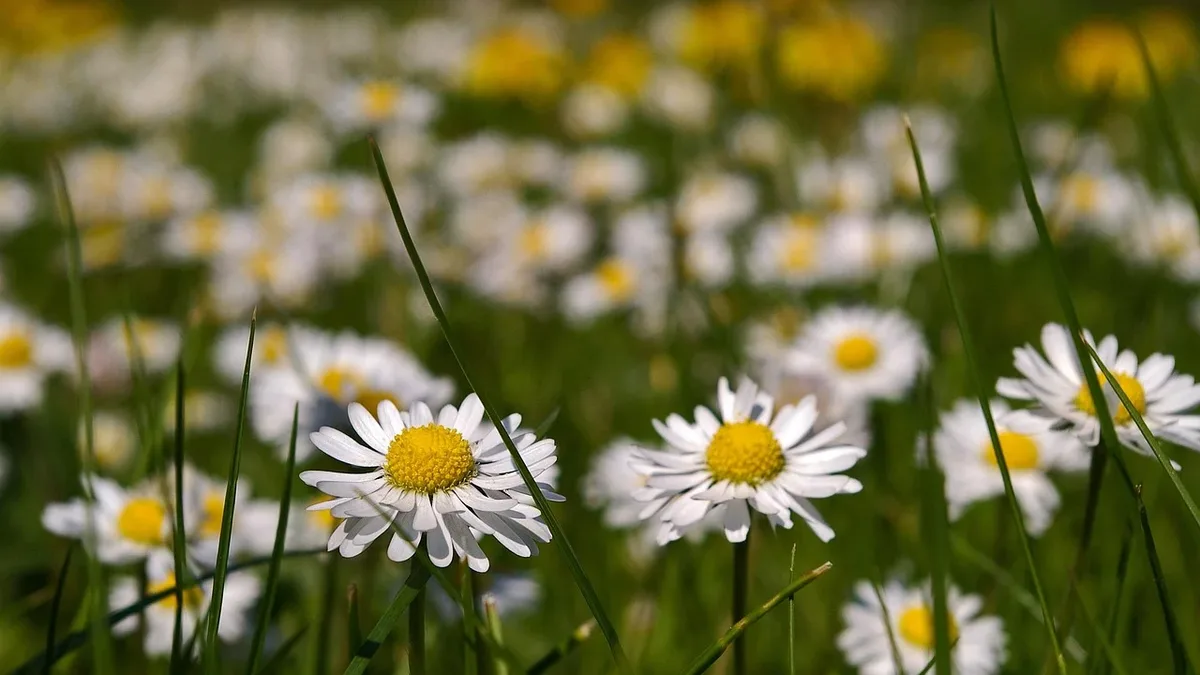
Southern England and Wales are slowly regaining their green colour after the UK's hottest summer on record left the landscape dried out and brown. According to the Environment Agency, large parts of the UK remain officially in drought, and even a wetter-than-normal autumn might not prevent some areas from being in drought next spring.
Darren Share, director of the royal parks which manages Hyde Park and St James's Park, described the extreme impact. The grass was completely scorched across the entire park network, he said, with the grass level having almost turned to dust. Share noted that while past heatwaves were short, this summer featured one prolonged event after another, drastically slowing recovery.
Changed park use and visitor behaviour
The extreme conditions altered how people used the parks, Share observed. Visitor numbers dropped significantly during the day, and many sporting and volunteering activities were cancelled due to health and safety concerns. While the royal parks are not yet in full bloom, the difference from the peak summer is stark. Share attributes the rapid regrowth seen now to the resilience of grass, which can tolerate high heat and regenerate.
Farm impacts and wildfire aftermath in Wales
In Wales, hit by wildfires in mid-August, the death of grassy areas had severe social and environmental effects. Climate activist and former Senedd member Carolyn Thomas reported seeing very thin cattle with no food for grazing, forcing farmers to dip into winter feed stocks early. She described sheep and cows hiding under trees, barely moving, with some lying flat and appearing dead.
Thomas criticised the UK government's pledged £100m to strengthen responses to extreme weather and wildfires, arguing for a greater focus on prevention rather than just reaction. She expressed relief at the countryside's slow return to normal, noting she now sees green fields again, but acknowledged a lasting loss that will take time to recover from.
Persistent water shortages and official warnings
Despite the visual recovery, underlying water shortages persist. Groundwater and reservoir levels remain low. The government has urged water companies to continue their efficiency measures until normal water levels are reached. The Environment Agency's assessment shows that the drought's visual end does not equate to its hydrological conclusion.